
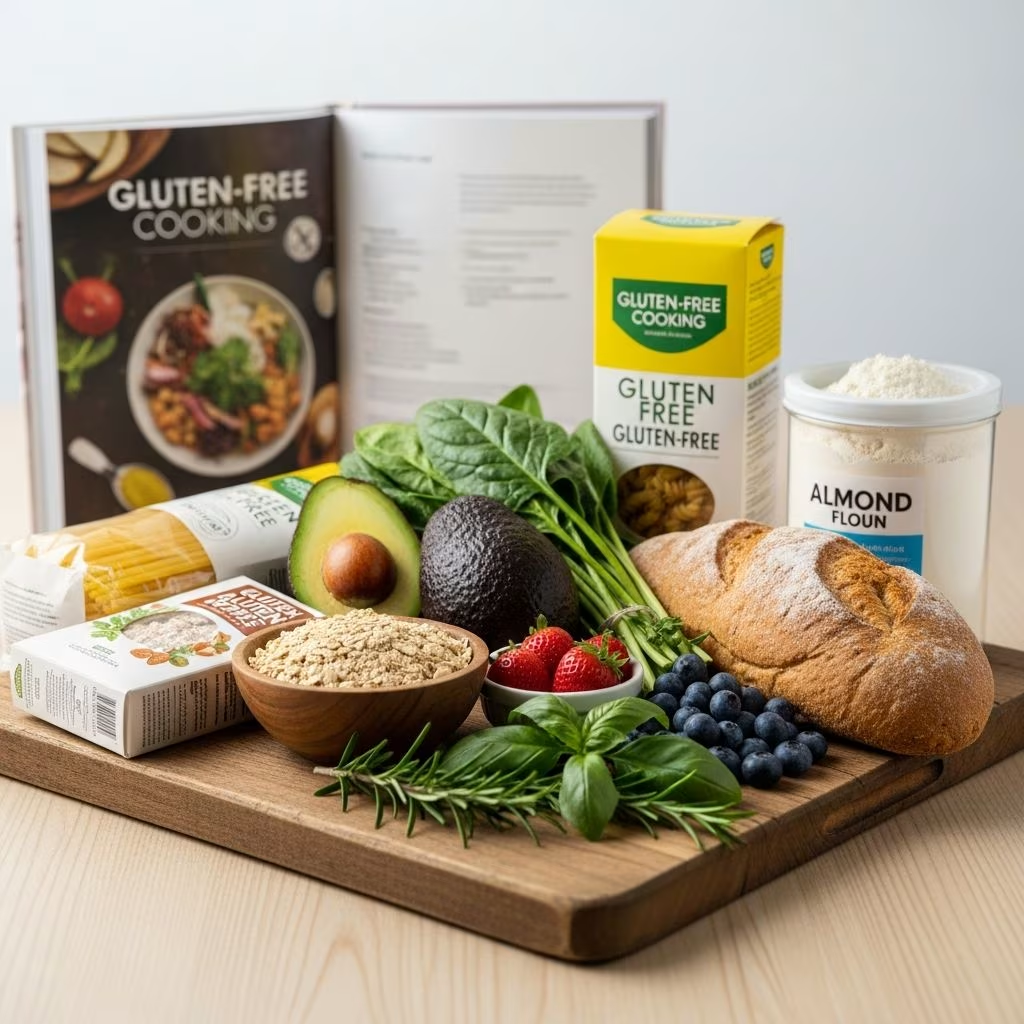
Embarking on a gluten-free diet can transform your health if you have celiac disease, gluten sensitivity, or simply want to explore dietary changes. This guide provides step-by-step advice on eliminating gluten while maintaining nutrition and enjoyment in meals.
What Is Gluten and Why Go Gluten-Free?
Gluten is a protein found in grains like wheat, barley, rye, and triticale that gives dough its elasticity and helps baked goods maintain shape. For most people, gluten is harmless, but it triggers immune responses in those with celiac disease, causing intestinal damage, or non-celiac gluten sensitivity, leading to symptoms like bloating, fatigue, and digestive issues.
Going gluten-free is medically necessary for celiac patients to prevent long-term complications like nutrient malabsorption and osteoporosis. Others may adopt it for symptom relief or wellness, though evidence for non-medical benefits is limited. Always consult a healthcare professional before starting to confirm diagnosis and monitor nutrition.
Who Should Consider a Gluten-Free Diet?
- Celiac disease: An autoimmune disorder affecting about 1% of the population; gluten damages the small intestine.
- Wheat allergy: An allergic reaction to wheat proteins, distinct from gluten intolerance.
- Non-celiac gluten sensitivity: Symptoms mimic celiac but without intestinal damage.
- Dermatitis herpetiformis: A gluten-related skin condition.
Diagnosis via blood tests or biopsy is crucial; self-diagnosing can lead to unnecessary restrictions.
Foods to Eat on a Gluten-Free Diet
Many foods are naturally gluten-free, forming the foundation of a balanced diet. Focus on whole, unprocessed options to ensure nutrient density.
Fresh Produce and Proteins
- Fresh fruits and vegetables (e.g., apples, berries, spinach, broccoli); check processed versions for additives.
- Meats, poultry, fish, and seafood (unbreaded, unseasoned).
- Eggs and most low-fat dairy like plain milk, yogurt, and cheese.
- Legumes, nuts, and seeds in natural forms (beans, lentils, almonds).
Gluten-Free Grains and Flours
Safe grains provide fiber, vitamins, and energy alternatives to wheat.
- Amaranth, buckwheat, millet, quinoa, teff.
- Corn (labeled gluten-free), rice (including wild), sorghum.
- Gluten-free flours: rice, corn, potato, bean, soy, tapioca, arrowroot, flax.
Incorporate these into porridges, salads, and baking for variety.
Foods to Avoid
Steer clear of obvious and hidden gluten sources to prevent cross-contamination and symptoms.
| Category | Examples to Avoid |
|---|---|
| Breads & Grains | Wheat bread, pasta, cereals, bulgur, matzo, couscous |
| Baked Goods | Cakes, cookies, pies, crackers, croutons |
| Processed Foods | Seasoned rice mixes, soups, bouillon, French fries, chips |
| Beverages & Misc | Beer (unless gluten-free), malt vinegar, communion wafers |
Even “wheat-free” labels may contain barley or rye; vigilance is key.
How to Read Labels and Shop Smart
In the U.S., “gluten-free” labels mean less than 20 ppm gluten, ensuring safety for most. Scan ingredients for wheat, barley, rye, malt, brewer’s yeast, or triticale. Look for allergen statements.
- Choose certified products to minimize cross-contamination risks.
- Opt for fresh over packaged to avoid additives.
- Buy in bulk for grains like quinoa and rice to save costs.
Apps and gluten-free aisles simplify shopping, but always verify.
Sample 7-Day Gluten-Free Meal Plan
This beginner-friendly plan emphasizes variety, balance, and simplicity, clocking ~1,800-2,200 calories daily. Adjust portions as needed.
| Day | Breakfast | Lunch | Dinner | Snacks |
|---|---|---|---|---|
| Monday | Chia pudding with Greek yogurt, berries, vanilla | Chicken lentil veggie soup | Steak tacos in corn tortillas with mushrooms, spinach | Apple with almond butter |
| Tuesday | Veggie omelet | Quinoa salad with tomatoes, cucumber, avocado | Shrimp skewers with garden salad | Carrot sticks, hummus |
| Wednesday | Oatmeal (gluten-free) with berries, walnuts | Tuna salad with eggs | Chicken broccoli stir-fry with tamari | Greek yogurt, nuts |
| Thursday | Avocado toast (gluten-free bread), egg | Burrito bowl: rice, beans, guac, veggies | Garlic butter shrimp, salad | Banana |
| Friday | Banana-berry smoothie with yogurt | Chicken salad wrap (gluten-free) | Baked salmon, potatoes, broccoli | Cottage cheese, fruit |
| Saturday | Mushroom zucchini frittata | Stuffed peppers with beef, rice, cheese | Roasted chicken quinoa salad | Trail mix (gluten-free) |
| Sunday | Poached eggs, gluten-free toast | Chicken salad with olive oil | Grilled lamb, roasted veggies | Handful of seeds |
Drink plenty of water; include healthy fats like olive oil and avocados.
Gluten-Free Cooking and Baking Tips
Master substitutions for successful meals:
- Flour blends: Mix rice flour, potato starch, xanthan gum for elasticity.
- Binders: Eggs, flaxseed meal replace gluten’s structure.
- Recipes: Start with simple swaps like almond flour pancakes.
Avoid cross-contamination: Use separate toasters, utensils, and cutting boards. Clean surfaces thoroughly.
Eating Out and Social Tips
Dining out requires preparation:
- Research menus for gluten-free options (grilled meats, salads, rice bowls).
- Inform servers; request no breading or shared grills.
- Choose chains with dedicated gluten-free menus.
- Carry safe snacks for events.
At home, host with labeled dishes and alternatives.
Nutritional Concerns and Supplements
Gluten-free diets risk deficiencies in fiber, iron, B vitamins, calcium due to limited grains. Some products are higher in sugar/fat.
- Enrich diet with quinoa, legumes, fortified rice.
- Consult a registered dietitian for personalized plans.
- Consider supplements if tested deficient (e.g., vitamin D, folate).
Monitor weight and energy; balance prevents issues.
Common Mistakes to Avoid
- Relying on processed gluten-free junk food.
- Ignoring hidden gluten in sauces, dressings.
- Skipping label reads on meds/cosmetics.
- Not planning meals, leading to boredom.
Track symptoms in a food diary for adjustments.
Frequently Asked Questions (FAQs)
What is the best way to start a gluten-free diet?
Consult a doctor for diagnosis, purge pantry of gluten items, stock safe foods, and follow a meal plan like the one above.
Can I eat oats on a gluten-free diet?
Only certified gluten-free oats; regular oats risk cross-contamination with wheat.
Is rice always gluten-free?
Pure rice is, but flavored/seasoned rice mixes often contain gluten; choose plain or labeled gluten-free.
How do I prevent cross-contamination?
Use color-coded utensils, separate storage, and clean shared surfaces diligently.
Will I lose weight on gluten-free?
Not automatically; focus on whole foods for health benefits over weight loss.
References
- Gluten-free diet — Mayo Clinic Staff. 2023-10-18. https://www.mayoclinic.org/healthy-lifestyle/nutrition-and-healthy-eating/in-depth/gluten-free-diet/art-20048530
- The Gluten-Free Diet: A Beginner’s Guide with Meal Plan — Healthline. 2024-05-15. https://www.healthline.com/nutrition/gluten-free-diet