
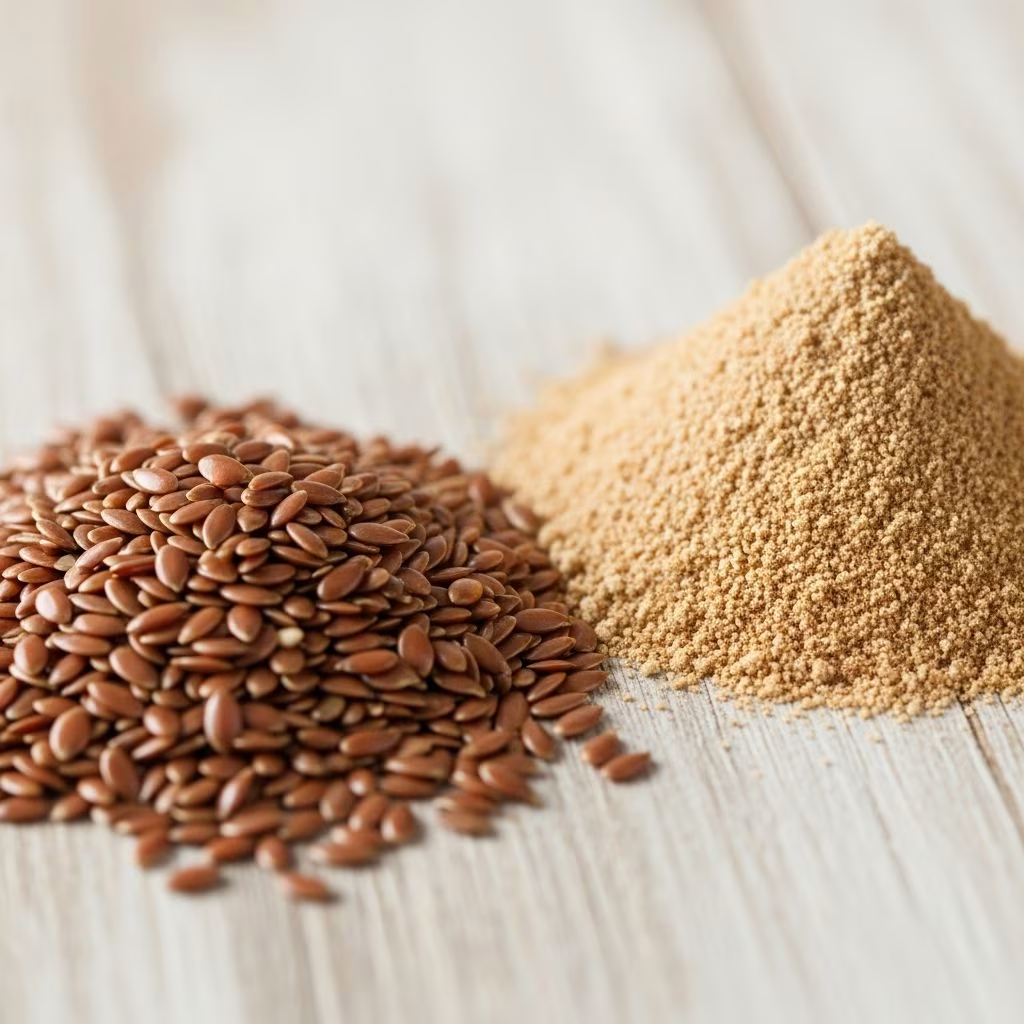
Flaxseed, a tiny powerhouse of nutrition, packs omega-3 fatty acids, fiber, and lignans that support heart health, digestion, and more. But should you choose whole flaxseed or ground flaxseed (also called flax meal)? Experts overwhelmingly favor ground flaxseed for superior digestibility and nutrient absorption, as whole seeds often pass through the digestive system undigested.
One tablespoon of ground flaxseed delivers about 2 grams of polyunsaturated fatty acids (including omega-3 ALA), 2 grams of fiber, and just 37 calories, making it a low-calorie addition to any diet. This article breaks down the differences, health perks, storage advice, usage tips, and answers common questions to help you decide.
What Is Flaxseed?
Flaxseed, derived from the flax plant (*Linum usitatissimum*), has been cultivated for thousands of years. It’s renowned for its rich content of alpha-linolenic acid (ALA), a plant-based omega-3, soluble and insoluble fiber, and lignans—phytoestrogens with antioxidant properties.
Flaxseed comes in two main varieties: golden (or yellow) and brown. Both offer similar nutritional profiles, though some studies suggest golden flaxseed may edge out in cholesterol-lowering effects. Nutritionally, one tablespoon provides essential fatty acids that the body partially converts to EPA and DHA, supporting anti-inflammatory responses.
- Key nutrients: ALA omega-3s (up to 55% of total fat), fiber (27% by weight), lignans (up to 800 times more than other plant foods).
- Calories: Low at ~37 per tablespoon ground.
- Antinutrients: Contains cyanogenic glycosides (CGs), phytic acid, but grinding and cooking mitigate risks.
Nutritional Differences Between Whole and Ground Flaxseed
The core nutrition is identical, but bioavailability differs dramatically. Whole flaxseed’s hard outer hull protects nutrients but hinders digestion—up to 90% may pass undigested, robbing you of benefits.
| Nutrient/Form | Whole Flaxseed | Ground Flaxseed |
|---|---|---|
| ALA Omega-3 Absorption | Low (hard hull blocks) | High (body accesses oils easily) |
| Fiber Release | Limited | Full (aids digestion, constipation relief) |
| Lignans | Poor bioavailability | Optimal (highest plasma levels) |
| Digestibility | May cause bloating | Smooth, effective |
Ground flaxseed ensures higher plasma ALA and lignan levels compared to whole, per clinical studies on postmenopausal women and UC patients.
Health Benefits of Flaxseed
Flaxseed’s benefits stem from its unique composition, amplified in ground form.
Heart Health
Ground flax lowers total and LDL cholesterol, reducing heart disease risk. Studies show 30g daily for 12 weeks improved lipid profiles in ulcerative colitis patients. Golden flax excels here over brown.
Digestive Health
High fiber (2g/tbsp) relieves constipation and supports gut regularity. Ground form maximizes this without undigested passage.
Anti-Inflammatory and Hormonal Balance
Lignans act as antioxidants, potentially easing menopause symptoms. 15g daily for 7 weeks benefited postmenopausal women.
Other Perks
- Weight management: Fiber promotes satiety.
- Blood sugar control: Slows absorption.
- Cancer risk reduction: Lignans’ phytoestrogens.
Pros and Cons: Whole vs. Ground Flaxseed
| Aspect | Whole Flaxseed Pros | Whole Cons | Ground Pros | Ground Cons |
|---|---|---|---|---|
| Storage Stability | Long shelf life, oxidation-resistant hull | – | – | Prone to rancidity; refrigerate |
| Nutrient Access | – | Low absorption | Superior bioavailability | – |
| Convenience | Cheap, grind at home | Needs grinding | Ready-to-use | Shorter shelf life |
| Cost | Often cheaper in bulk | – | – | Slightly pricier pre-ground |
How to Store Flaxseed Properly
Whole flaxseed stores indefinitely in a cool, dry pantry due to its protective hull. Ground flaxseed oxidizes quickly—store in an airtight, opaque container in the fridge (up to 6 months) or freezer (1 year). Grind fresh using a coffee grinder for best freshness; avoid room temperature long-term.
- Buy whole in bulk, grind as needed.
- Golden or brown: Minimal nutritional difference; choose by preference.
Which Is Better: Ground or Whole Flaxseed?
Ground flaxseed wins for most people. Mayo Clinic experts recommend it exclusively for digestibility—whole seeds provide minimal benefits. Exceptions: If storage is an issue, buy whole and grind fresh. Flax oil lacks fiber/lignans and rancidifies fast, making ground superior.
Optimal dose: 1-2 tablespoons ground daily, with plenty of water. Consult a doctor if on medications, as fiber may interfere.
Recipes and Ways to Use Flaxseed
Incorporate easily for daily benefits.
- Add 1 tbsp ground to oatmeal, yogurt, or smoothies.
- Mix into mayo/mustard for sandwiches.
- Bake into muffins, breads, cookies (replaces eggs: 1 tbsp ground + 3 tbsp water).
- Sprinkle on salads or soups.
Thermal processing (baking) inactivates antinutrients like CGs.
Potential Side Effects and Precautions
Generally safe, but:
- Fiber overload: Start slow to avoid bloating/gas; drink water.
- Hormonal effects: Lignans mimic estrogen—monitor if hormone-sensitive.
- Interactions: Space from meds by 1-2 hours.
- Antinutrients: Grinding/cooking reduces CGs/phytic acid risks.
Pregnant/breastfeeding? Consult physician. Overconsumption (>50g/day) may cause cyanide-like issues from CGs, though rare.
Frequently Asked Questions (FAQs)
Is ground flaxseed better than whole?
Yes, ground is superior for nutrient absorption; whole often passes undigested.
How much flaxseed should I eat daily?
1-2 tablespoons ground, with fluids.
Golden or brown flaxseed—which is healthier?
Both excellent; golden may better lower cholesterol.
Can I eat flaxseed raw?
Ground yes, but whole needs chewing/grinding. Cooked reduces antinutrients.
Does flaxseed oil compare?
No—lacks fiber/lignans, oxidizes quickly. Ground is best.
Where to buy flaxseed?
Grocery stores, health shops—whole for bulk savings.
References
- Flaxseed: Is ground better than whole? — Mayo Clinic. 2023. https://www.mayoclinic.org/healthy-lifestyle/nutrition-and-healthy-eating/expert-answers/flaxseed/faq-20058354
- Flaxseed: Nutritionally powerful — Mayo Clinic Health System. 2023. https://www.mayoclinichealthsystem.org/hometown-health/speaking-of-health/flaxseed-is-nutritionally-powerful
- The Role of Flaxseed in Improving Human Health — PMC/NIH. 2023-02-20. https://pmc.ncbi.nlm.nih.gov/articles/PMC9914786/
- The benefits of flaxseed — USDA ARS. 2012. https://www.ars.usda.gov/plains-area/gfnd/gfhnrc/docs/news-articles/2012/the-benefits-of-flaxseed/
- Golden vs Brown Flaxseed: Which Has More Benefits? — NutritionFacts.org. 2023. https://nutritionfacts.org/video/golden-vs-brown-flaxseed-which-has-more-benefits/