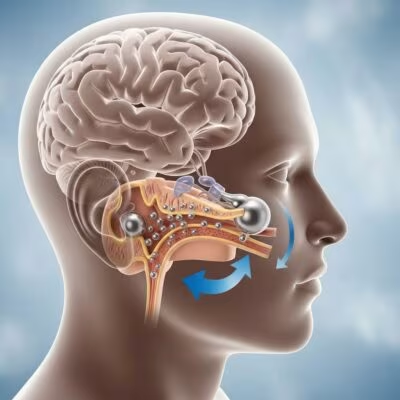
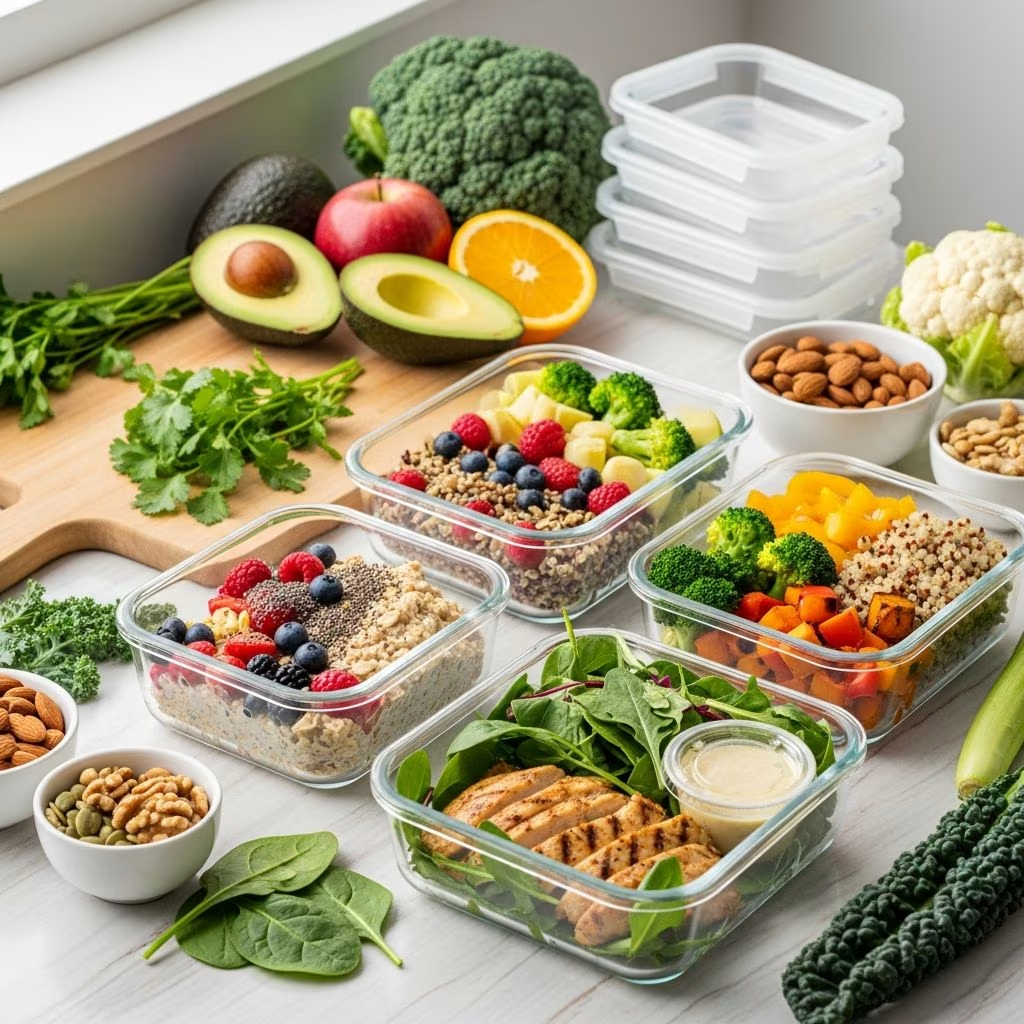
Supporting your gut health through meal prep is one of the most effective ways to foster a thriving microbiome, improve digestion, and reduce inflammation. By focusing on prebiotic fibers, probiotic-rich foods, and diverse plant-based ingredients, you can create balanced meals that nourish beneficial gut bacteria. This guide provides practical strategies, essential pantry staples, and batch-friendly recipes to make gut-friendly eating effortless and sustainable.
Why Meal Prep for Gut Health?
Meal prepping for gut health offers numerous benefits, including time savings, portion control, and consistent nutrient intake. Foods rich in soluble fiber, such as oats and legumes, feed good gut microbes, while fermented items like yogurt and sauerkraut introduce probiotics to enhance microbial diversity. According to Harvard’s Nutrition Source, meal prep promotes a nutritionally balanced diet, aids weight management, and reduces decision fatigue by planning ahead. Regular consumption of these foods can strengthen the gut lining, bolster immunity, and alleviate bloating.
Key Principles of Gut-Friendly Meal Prep
Build your meals around four pillars: prebiotics (e.g., garlic, onions, bananas), probiotics (e.g., kefir, kombucha), fiber-rich whole foods, and anti-inflammatory healthy fats. Prioritize plant diversity—aim for 30 different plants weekly—to maximize microbiome health. Start with a weekly plan: select 3-5 recipes, shop for staples like quinoa, lentils, and berries, then batch-cook proteins and grains first.
- Prebiotics: Feed beneficial bacteria with garlic, flaxseeds, and legumes.
- Probiotics: Introduce live cultures via yogurt, sauerkraut, or kefir.
- Fiber: Include oats, brown rice, and vegetables for smooth digestion.
- Healthy Fats: Use olive oil, nuts, and avocados to combat inflammation.
Essential Pantry Staples for Gut Health
Stock your kitchen with these gut-supporting basics to streamline prep. Whole grains provide soluble fiber, legumes offer prebiotics, and fermented foods deliver probiotics.
| Category | Examples | Gut Health Benefit |
|---|---|---|
| Whole Grains | Brown rice, oats, quinoa | Soluble fiber feeds good microbes |
| Legumes | Chickpeas, lentils | Prebiotics and plant protein |
| Fermented Foods | Sauerkraut, kefir, yogurt | Probiotics for microbial balance |
| Healthy Fats | Olive oil, nuts, seeds | Reduce inflammation |
| Fruits & Veggies | Berries, bananas, garlic | Antioxidants and prebiotics |
Meal Prep Tools You Need
Invest in airtight containers, a blender for smoothies, and sheet pans for roasting. These tools make portioning and storing easy, ensuring meals stay fresh for 4-5 days. Multitask by chopping veggies while grains cook to maximize efficiency.
Step-by-Step Gut Health Meal Prep Guide
Follow these steps for weekly success:
- Plan: Choose recipes with diverse plants, like quinoa salads and lentil soups.
- Shop: Prioritize fresh produce, legumes, and fermented items.
- Prep: Cook grains and proteins first (e.g., roast veggies, boil lentils).
- Assemble: Portion into containers with balanced macros.
- Store: Refrigerate for up to 5 days; freeze extras.
Simple Gut-Healthy Recipes
1. Quinoa Salad with Yogurt Dressing
Mix cooked quinoa, chickpeas, cucumber, and berries. Dress with yogurt, olive oil, and lemon. Probiotic yogurt pairs with prebiotic quinoa for optimal gut support. Prep time: 20 min. Serves 4.
- 1 cup quinoa
- 1 can chickpeas
- 1 cup berries
- ½ cup yogurt
- Salt, herbs to taste
2. Lentil and Vegetable Soup
This fiber-packed soup uses red lentils, carrots, cauliflower, and spinach. Inspired by evidence-based recipes, it simmers in 30 minutes.
Ingredients: ½ lb red lentils, 3 cups cauliflower, ½ lb carrots, 3 oz tomato paste, spices (cumin, turmeric), 6 cups water, spinach, vinegar.
Instructions:
- Sauté onion in olive oil.
- Add spices, tomato paste, veggies, lentils, water. Simmer 30 min.
- Stir in spinach and vinegar. Portion for lunches.
3. Chia Seed Pudding with Berries
Combine chia seeds, kefir, and bananas overnight. Top with nuts. Prebiotic chia and probiotic kefir promote gut lining health.
4. Fermented Veggie Bowls
Layer brown rice, sauerkraut, avocado, and grilled tempeh. Fermented kraut boosts probiotics.
5. Overnight Oats with Flax
Oats, flaxseeds, yogurt, and raspberries. Soluble fiber from oats feeds microbes.
6. Chickpea Stir-Fry
Sauté chickpeas, garlic, spinach, and quinoa. Garlic acts as a potent prebiotic.
7. Kefir Smoothies
Blend kefir, banana, berries, and flax. Quick probiotic boost.
Weekly Gut Health Meal Plan
Sample 5-day plan for balance:
| Day | Breakfast | Lunch | Dinner | Snack |
|---|---|---|---|---|
| Monday | Overnight Oats | Quinoa Salad | Lentil Soup | Chia Pudding |
| Tuesday | Kefir Smoothie | Fermented Bowl | Chickpea Stir-Fry | Yogurt & Berries |
| Wednesday | Chia Pudding | Lentil Soup | Quinoa Salad | Nuts & Sauerkraut |
| Thursday | Overnight Oats | Chickpea Stir-Fry | Fermented Bowl | Kefir Smoothie |
| Friday | Kefir Smoothie | Quinoa Salad | Lentil Soup | Chia Pudding |
Rotate to include 30+ plants weekly.
Storage and Reheating Tips
Store in glass containers; grains and soups last 5 days refrigerated. Reheat gently to preserve probiotics. Freeze soups in portions.
Common Mistakes to Avoid
- Overcooking veggies, which depletes fiber.
- Ignoring variety—rotate ingredients.
- Skipping fermentation time for homemade items.
Frequently Asked Questions
Can meal prep reduce bloating?
Yes, by incorporating fiber gradually and probiotics like lentils and yogurt, it minimizes bloating.
How often should I meal prep?
Weekly, focusing on Sunday for fresh starts.
Are legumes safe for beginners?
Soak and introduce slowly to avoid gas.
What’s the best probiotic source?
Fermented foods like kefir outperform supplements.
Advanced Tips for Long-Term Gut Health
Track your intake with an app for plant diversity. Consult a dietitian for personalization. Combine with hydration and exercise for synergy. Home meal prep is a powerful intervention, emphasizing plant-based patterns.
References
- Beginner’s Guide to Meal Prep for Gut Health Success — Macro Foods. 2023. https://macrofoods.ca/blog/macro-foods-beginner-s-guide-to-meal-prep-for-gut-health-success
- Meal Prep Guide — Harvard T.H. Chan School of Public Health. 2024. https://nutritionsource.hsph.harvard.edu/meal-prep/
- Home Meal Preparation: A Powerful Medical Intervention — National Library of Medicine (PMC). 2020-05-01. https://pmc.ncbi.nlm.nih.gov/articles/PMC7232892/