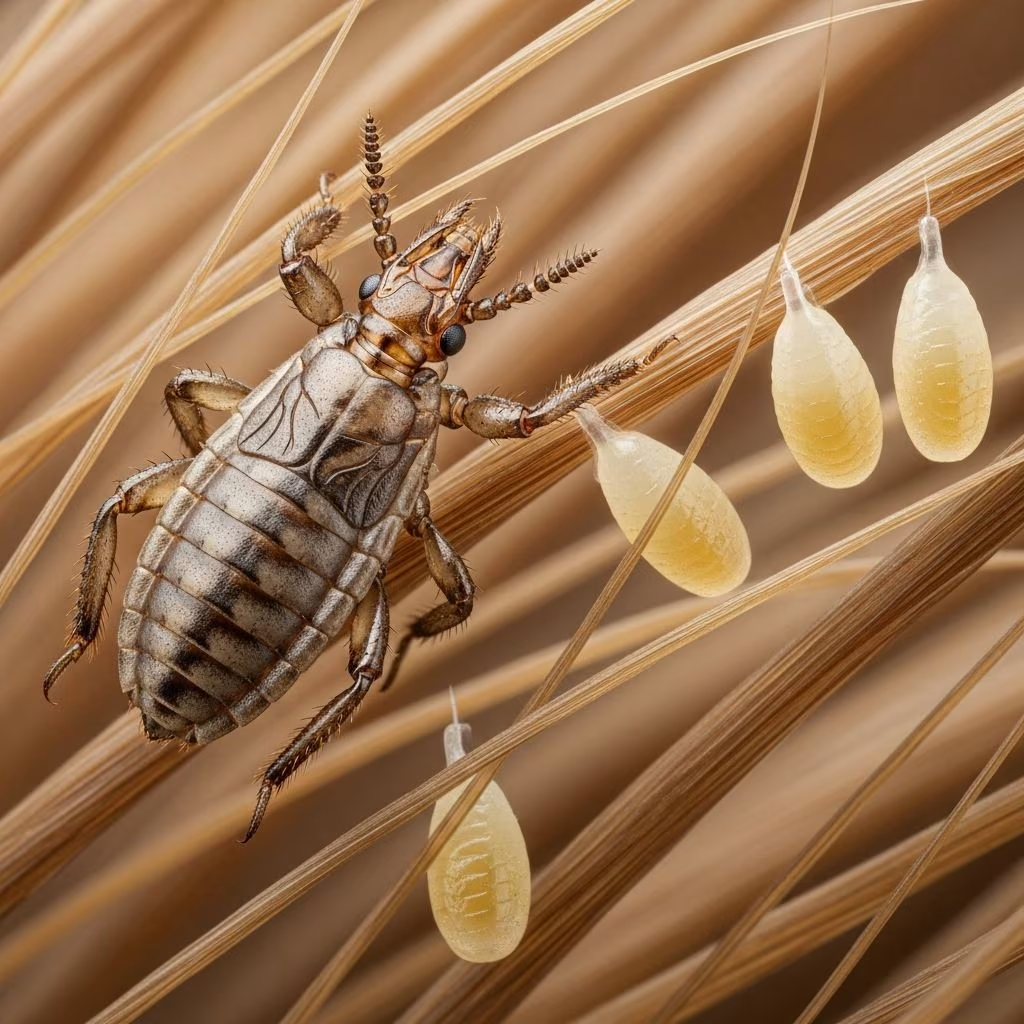
Head lice are a common parasitic infestation affecting school-aged children, causing itching and discomfort but posing no serious health risks. Effective treatment involves killing live lice and removing nits (empty eggshells), while prevention focuses on early detection and hygiene practices. This article outlines the main treatment options, how to check for success, and strategies to avoid reinfestation, drawing from reliable health guidelines.
Lotion Treatments for Head Lice
Lotion treatments are the most straightforward option for eliminating head lice. These work primarily through physical means rather than chemical insecticides, reducing the risk of resistance. All household members with live lice should be treated simultaneously to prevent spread.
Dimeticone
Dimeticone (4% lotion, gel, or spray) coats the lice, blocking their breathing tubes and water excretion, leading to suffocation. Apply to dry hair, covering all scalp areas, leave on for the recommended time (usually 8 hours or overnight), then shampoo out. Repeat after 7 days to kill any newly hatched lice, as it does not affect unhatched eggs. Suitable for all ages, including pregnant women if needed.
Isopropyl Myristate and Cyclomethicone Solution (Full Marks®)
This solution dissolves the lice’s outer coating. Apply to dry hair, wait 10 minutes, comb with a fine-toothed comb, then shampoo. Repeat in 7 days. It is safe for children over 6 months and those with asthma or eczema.
Other Physical Insecticides
Products like dimeticone 92% spray or isopropyl myristate with isopropyl alcohol aerosol work similarly by physical suffocation. These are preferred over traditional pyrethrin or permethrin insecticides, as lice have developed resistance to them. Pharmacists recommend non-pesticide options like Hedrin or Lyclear, effective in 80-90% of cases when used correctly.
| Treatment | Mechanism | Application Time | Repeat | Suitable For |
|---|---|---|---|---|
| Dimeticone 4% | Blocks breathing/water loss | 8+ hours | 7 days | All ages |
| Full Marks® | Dissolves exoskeleton | 10 minutes | 7 days | Over 6 months |
| Hedrin/Lyclear | Suffocates lice | Varies | 7 days | All ages |
Avoid prophylactic use of lotions, as they can irritate the scalp and are not proven effective for prevention. Always follow package instructions precisely for best results.
Wet Combing Treatment for Head Lice
Wet combing, or detection combing, is a chemical-free method ideal for those preferring non-medicated approaches or with treatment failures. It involves systematically combing wet, conditioned hair to remove lice and nits mechanically.
How to Perform Wet Combing
- Apply generous conditioner to dry hair, sectioning into small parts.
- Using a fine-toothed detection comb (with numbered teeth for accuracy), comb from scalp to ends in one direction, wiping comb on tissue after each stroke.
- Repeat for all sections, checking comb for live lice or nits.
- Do sessions on days 1, 5, 9, and 13 (four sessions over two weeks).
- Continue every 4 days until three consecutive sessions show no lice.
This method takes 10-30 minutes per session depending on hair length and type. It is time-intensive but safe for everyone, including pregnant individuals and babies. Subsequent sessions target newly hatched lice before they mature.
Other Treatment Options
Besides lotions and wet combing, limited alternatives exist:
- Malathion liquid (Derbac-M®): A chemical option for resistant cases. Apply twice, 7 days apart, leaving on for 12 hours each time. Use only if physical methods fail, as resistance is possible.
- Pediculicides (OTC or prescription): Some kill both lice and eggs (no retreatment needed), others require a second application. Consult a pharmacist or doctor for children under 2.
Home remedies like mayonnaise, olive oil, vinegar, or garlic lack evidence and are not recommended. Insecticides for home fumigation are unnecessary and potentially harmful.
Checking for Treatment Success
Treatment success is confirmed by no live lice after the full regimen. Nits may persist as empty shells stuck to hair shafts even after lice are gone—do not retreat based on nits alone.
- Perform detection combing weekly post-treatment.
- If live lice appear after two weeks, switch methods (e.g., from lotion to wet combing).
- Check all family members and close contacts simultaneously to avoid reinfestation.
Household items: Machine-wash bedding and clothes in hot water (130°F), dry on high heat, or seal unwashed items in plastic bags for 2 weeks. Soak combs in hot water; vacuum furniture but avoid chemical sprays.
How to Prevent Head Lice
Complete prevention is impossible due to close child contact, but risks can be minimized.
- Regular checks: Detection comb weekly, especially during school outbreaks.
- Hair management: Tie back long hair; avoid head-to-head contact.
- No sharing: Combs, brushes, hats, helmets, towels, or headphones.
- School vigilance: Notify if infestation detected; treat promptly to break cycles.
Lice repellents and prophylactic treatments lack evidence and may irritate skin. Focus on hygiene and early intervention.
Some Other Points about Head Lice
- Treat only confirmed live lice, not nits alone.
- Reinfestation often from untreated contacts—check family/friends.
- Safe for school; no need to exclude children post-treatment.
- Consult GP if severe itching leads to infection or for prescription options.
- NHS does not routinely prescribe; buy OTC.
Frequently Asked Questions (FAQs)
Q: Can I treat head lice without seeing a doctor?
A: Yes, most treatments are available over-the-counter. Pharmacists can advise; see a GP only for persistent cases or young children.
Q: Are natural remedies effective?
A: No strong evidence supports mayonnaise, oils, or vinegar. Stick to proven lotions or wet combing.
Q: How long do treatments take to work?
A: Lotions kill lice in 1 day; repeat in 7 days. Wet combing requires 2 weeks of sessions.
Q: Do I need to clean my house extensively?
A: Focus on personal items; vacuum surfaces. No insecticides needed—lice live mainly on scalps.
Q: Can head lice be prevented entirely?
A: No, but weekly checks and avoiding sharing items reduce risk significantly.
References
- Head Lice Treatment and Prevention (Nits) — Patient.info. 2023. https://patient.info/childrens-health/head-lice-and-nits/treating-and-preventing-head-lice-and-nits
- Treatment of Head Lice — Centers for Disease Control and Prevention (CDC). 2024-10-15. https://www.cdc.gov/lice/treatment/index.html
- Head Lice — Nationwide Children’s Hospital. 2023. https://www.nationwidechildrens.org/conditions/head-lice
- Head Lice: Causes, Symptoms, and Treatment — Patient.info Doctor. 2024. https://patient.info/doctor/dermatology/head-lice-pro
- How to avoid back-to-school head lice — Patient.info. 2023. https://patient.info/features/childrens-health/how-to-protect-your-child-from-head-lice