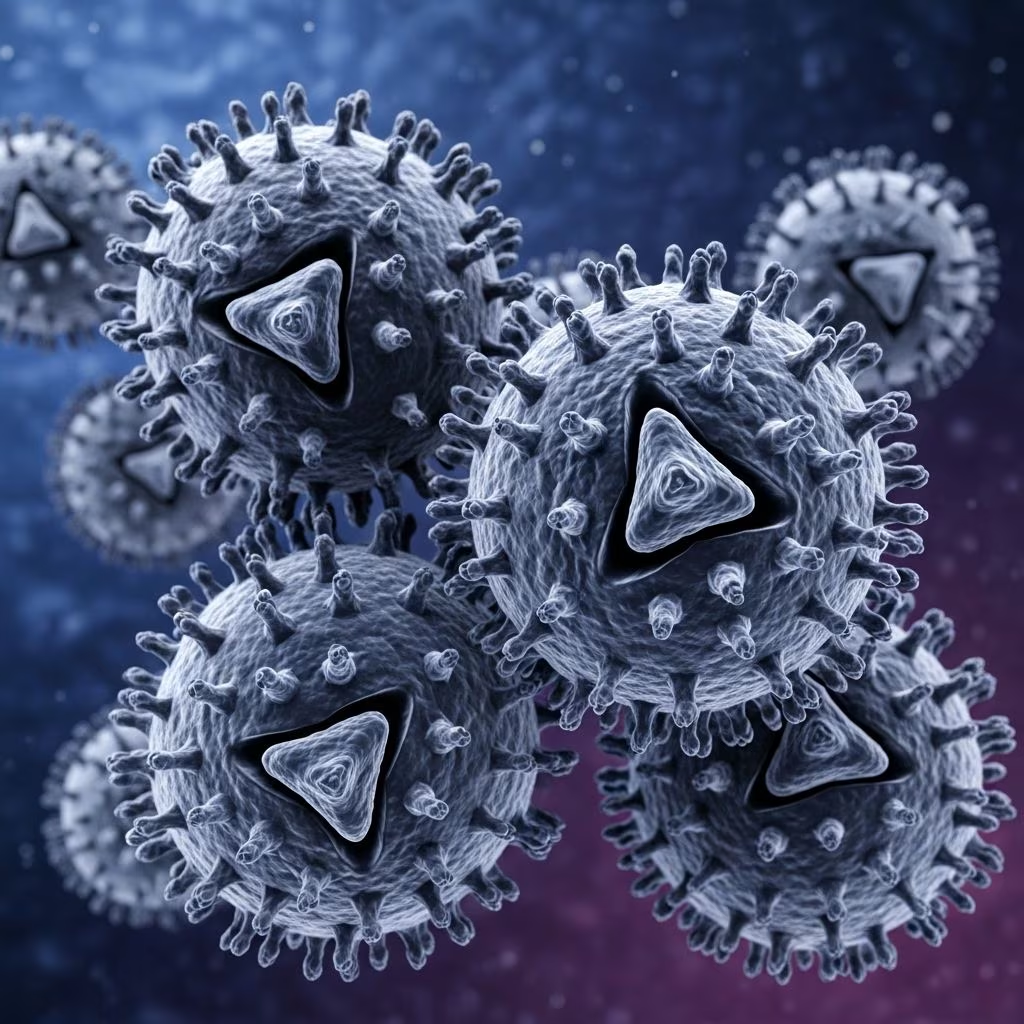
The herpes simplex virus (HSV) is a highly contagious infection causing oral or genital herpes, characterized by painful blisters or ulcers that recur over time. It affects an estimated 3.8 billion people under 50 with HSV-1 and 520 million aged 15–49 with HSV-2 globally, primarily spreading through skin-to-skin contact even without visible symptoms.
What Is Herpes Simplex Virus?
Herpes simplex virus (HSV) enters the body through skin or mucous membranes, replicates in cells, and establishes lifelong latency in nerve cells, periodically reactivating to cause outbreaks. There is no cure, but antiviral medications manage symptoms and reduce transmission.
HSV primarily causes infections in the mouth (oral herpes or cold sores), genitals, or other skin areas. Many infections are asymptomatic, but when symptoms appear, they include fluid-filled blisters that burst into ulcers.
Types of Herpes Simplex Virus
There are two main types:
- HSV-1: Primarily causes oral herpes via oral contact but can lead to genital herpes through oral-genital contact. Infects ~64% of people under 50 worldwide.
- HSV-2: Mainly causes genital herpes via sexual contact, affecting ~13% of people aged 15–49. More likely to cause recurrent genital symptoms.
Both types can infect oral or genital areas interchangeably and persist lifelong in nerve cells, such as trigeminal nerves for oral infections or sacral plexus for genital ones.
Symptoms of Herpes Simplex
Symptoms vary by infection stage and individual immunity. Many people (~80-90%) remain asymptomatic or have mild, unrecognized signs.
Primary Infection Symptoms
The first outbreak, occurring 2-12 days post-exposure (typically 6-8 days), may include:
- Painful, fluid-filled blisters on mouth, genitals, or skin that crust over.
- Fever, body aches, headache, sore throat (oral), swollen lymph nodes.
- Genital symptoms: Itching, burning during urination, vaginal/penile discharge.
Recurrent Outbreaks
Less severe and shorter (3-7 days), triggered by stress, illness, sun exposure, menstruation, or injury. Prodrome (tingling/itching) precedes blisters.
Locations of Infection
- Mouth/lips (cold sores).
- Genitals/anus (sores, ulcers).
- Eyes (keratitis), skin, fingers (herpetic whitlow), rarely brain (encephalitis).
Causes and Transmission
HSV spreads via direct skin-to-skin contact with infected areas, saliva, or sores, even asymptomatically (viral shedding). No transmission from unaffected body parts.
Common Transmission Routes
| Type of Contact | How HSV Spreads |
|---|---|
| Genital-to-genital | Direct genital contact causes genital herpes. |
| Oral-to-oral | Mouth-to-mouth spreads oral HSV. |
| Oral-to-genital | Oral sex transmits to genitals (often HSV-1). |
| Genital-to-oral | Genital sex transmits to mouth. |
| Skin-to-sore | Touching active sores (less common). |
Risk highest with active sores, but asymptomatic shedding accounts for most transmissions. Neonatal herpes (rare) occurs via vaginal delivery from infected mothers. HSV-2 triples HIV acquisition risk.
HSV Infection Stages
- Primary Infection: Virus enters, replicates; symptoms 2-12 days later. Immune response clears active infection.
- Latency: Virus dormant in nerve cells (trigeminal or sacral).
- Reactivation: Triggers cause shedding/outbreaks; immune response controls most but not all.
Risk Factors
- Multiple sexual partners, unprotected sex.
- Immunocompromise (HIV, chemotherapy).
- Age (HSV-1 common in childhood via non-sexual contact).
- Pregnancy (late-term HSV-2 risk for neonate).
Diagnosis
Diagnosis via visual exam, PCR swab of sores (gold standard), viral culture, or blood tests for antibodies (IgM/IgG). Blood tests detect past/current infection but not location.
Treatment
No cure; antivirals shorten outbreaks, reduce frequency/severity, and lower shedding:
- Episodic: Acyclovir, valacyclovir, famciclovir at outbreak onset.
- Suppressive: Daily therapy for frequent recurrences (>6/year) or HIV+ patients.
Supportive care: Pain relief (ibuprofen), cool compresses, hygiene. Avoid triggers like sun (lip balm with sunscreen).
Prevention
- Condoms/dental dams reduce but don’t eliminate risk (shedding on uncovered skin).
- Avoid contact during outbreaks/prodrome.
- Suppressive therapy for partners.
- C-section for active genital lesions at delivery.
- PrEP for HIV prevention in HSV-2+ individuals.
WHO promotes awareness, antivirals access, vaccines research.
Complications
- Neonatal herpes: Severe, potentially fatal if untreated.
- Ocular herpes: Keratitis, vision loss (HSV-1).
- Encephalitis/meningitis: Rare brain infection.
- HIV facilitation: HSV-2 increases HIV risk 3x.
- In immunocompromised: Frequent, disseminated disease.
Living with HSV
Stigma affects relationships; disclose to partners. Most lead normal lives with management. Recurrent genital herpes impacts ~5.3% annually (mostly HSV-2).
Frequently Asked Questions (FAQs)
Can you get herpes from kissing?
Yes, oral HSV-1 spreads via kissing, especially with active cold sores.
Is herpes curable?
No, but antivirals control symptoms and transmission effectively.
Does HSV increase HIV risk?
Yes, HSV-2 triples HIV acquisition/transmission risk.
Can I have sex with herpes?
Yes, with condoms, suppressive therapy, and avoiding outbreaks.
How common is asymptomatic shedding?
Frequent in genital HSV-2 (~15-30% days), enabling spread without symptoms.
References
- Herpes Simplex Virus (HSV): Types Symptoms, & Treatment — Cleveland Clinic. 2023-10-25. https://my.clevelandclinic.org/health/diseases/22855-herpes-simplex
- Herpes simplex virus — World Health Organization. 2024-05-03. https://www.who.int/news-room/fact-sheets/detail/herpes-simplex-virus