
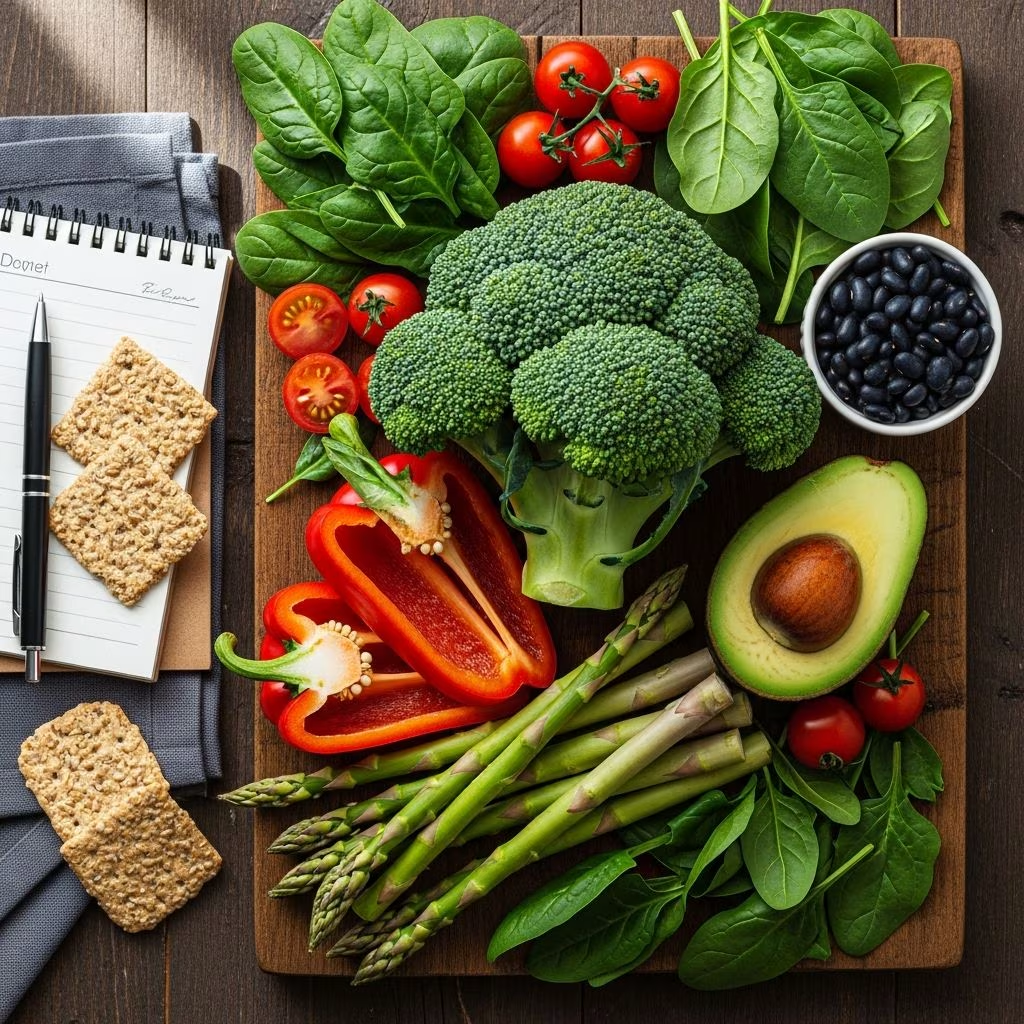
High-fiber vegetables are essential for maintaining healthy digestion, supporting gut bacteria, and lowering risks of chronic diseases like heart disease and diabetes. A gastroenterologist recommends prioritizing these nutrient-dense options to meet the daily fiber goal of 25-38 grams for adults, as per USDA guidelines. Incorporating them prevents constipation, promotes regularity, and feeds beneficial gut microbes.
Fiber comes in soluble and insoluble forms. Soluble fiber dissolves in water, forming a gel that slows digestion and stabilizes blood sugar, found in broccoli and carrots. Insoluble fiber adds bulk to stool, speeding transit time, abundant in green beans and cauliflower skins. Prebiotic fibers like inulin in onions and garlic further nourish gut bacteria for enhanced health benefits.
Why Eat High-Fiber Vegetables?
Vegetables deliver fiber alongside vitamins, minerals, and antioxidants with minimal calories. Cruciferous types like broccoli contain sulforaphane, offering anti-cancer properties. They combat common issues like IBS, diverticulitis, and low fiber intake—most Americans consume only 10-15 grams daily versus the recommended 25-35. Regular intake supports weight management, cholesterol reduction, and microbiome diversity.
Start gradually to avoid bloating: increase by 5 grams weekly, drink ample water (8+ cups daily), and pair with exercise. Frozen varieties retain fiber and nutrients equal to fresh.
Top 12 High-Fiber Vegetables Recommended by a Gastroenterologist
A gastroenterologist highlights these vegetables for their superior fiber content per serving, versatility, and gut benefits. Aim for 4+ servings daily.
1. Artichokes (7.7g fiber per cup cooked)
Artichokes top the list with prebiotic inulin that ferments into short-chain fatty acids, fueling colon cells. They ease constipation and lower cholesterol. Steam hearts for salads or dip leaves in hummus.
2. Green Peas (14g fiber per cup cooked)
Green peas pack legumes-level fiber, blending insoluble bulk with soluble for balanced digestion. Add to soups, stir-fries, or as a side—frozen peas are convenient and nutrient-rich.
3. Broccoli (5g fiber per cup cooked)
GI expert Dr. Archibald includes broccoli daily for 5g fiber plus sulforaphane’s cancer-fighting power. Its insoluble fiber prevents diverticulitis; steam or roast with garlic.
4. Brussels Sprouts (6.4g fiber per cup)
These cruciferous gems provide soluble fiber for blood sugar control and gut motility. Roast with olive oil for caramelization; a cup delivers vitamins C and K abundantly.
5. Sweet Potatoes (5.9g fiber per medium with skin)
Skins hold most fiber—bake whole to retain 5.9g insoluble fiber aiding regularity. Rich in beta-carotene, mash or stuff for meals.
6. Collard Greens (7.6g fiber per cup cooked)
Leafy greens like collards offer tough insoluble fiber for stool bulk. Sauté with onions; low-calorie yet filling for weight control.
7. Spinach (7g fiber per cup cooked)
Cooked spinach shrinks but concentrates fiber, supporting iron absorption with vitamin C. Blend into smoothies or wilt into eggs.
8. Potatoes (6.9g fiber per medium with skin)
Baked russets with skin match sweet potatoes for resistant starch, a prebiotic. Avoid peeling; top with beans for 10g+ fiber.
9. Carrots (3.6g fiber per cup)
Soluble pectin in carrots binds cholesterol and stabilizes digestion. Eat raw, roasted, or in soups; beta-carotene boosts immunity.
10. Cauliflower (3g+ fiber per cup)
Versatile for rice or mash, cauliflower’s fiber pairs with low carbs for gut health. Its sulforaphane mirrors broccoli’s benefits.
11. Asparagus (2.8g fiber per cup)
Prebiotic inulin in asparagus promotes Bifidobacteria growth. Grill spears; diuretic effect aids bloating relief.
12. Onions and Garlic (2-3g fiber per cup, high prebiotics)
These alliums’ fructans feed gut flora, reducing inflammation. Sauté into everything; raw in salads for max prebiotics.
High-Fiber Vegetables Chart
| Vegetable | Serving Size | Fiber (g) | Fiber Type | Key Benefits |
|---|---|---|---|---|
| Artichokes | 1 cup cooked | 7.7 | Soluble/Prebiotic | Cholesterol-lowering, prebiotic |
| Green Peas | 1 cup cooked | 14 | Mixed | Bulk-forming, protein-rich |
| Broccoli | 1 cup cooked | 5 | Insoluble/Soluble | Anti-cancer sulforaphane |
| Brussels Sprouts | 1 cup | 6.4 | Soluble | Blood sugar control |
| Sweet Potato | 1 medium skin-on | 5.9 | Insoluble | Resistant starch |
| Collards | 1 cup cooked | 7.6 | Insoluble | Vitamin K, low-cal |
| Spinach | 1 cup cooked | 7 | Insoluble | Iron support |
| Potato | 1 medium skin-on | 6.9 | Mixed | Satiety |
| Carrots | 1 cup | 3.6 | Soluble | Cholesterol-binding |
| Asparagus | 1 cup | 2.8 | Prebiotic | Gut bacteria fuel |
Data compiled from GI sources.
How to Incorporate More High-Fiber Vegetables Daily
- Breakfast: Add spinach or broccoli to omelets; blend carrots into smoothies.
- Lunch: Top salads with peas, artichoke hearts, cauliflower.
- Dinner: Side of Brussels sprouts, sweet potatoes, collards.
- Snacks: Carrot sticks, celery, snap peas with hummus.
- Tips: Leave skins on; buy pre-cut if busy; roast for flavor. Dr. Archibald’s day: oatmeal, apple (8g), avocado sandwich (8g), broccoli-quinoa (13g) totals 29g.
High-Fiber Vegetable Recipes
Roasted Brussels Sprouts with Garlic (Serves 4, ~6g fiber/serving)
1 lb Brussels sprouts halved, 4 garlic cloves minced, 2 tbsp olive oil, salt. Roast 425°F 20-25 min. Prebiotic boost.
Artichoke-Pea Hummus (8g fiber/serving)
1 can chickpeas, 1 cup peas, ½ cup artichokes, tahini, lemon. Blend; dip veggies.
Broccoli Sweet Potato Mash
Steam 2 cups broccoli + 2 sweet potatoes; mash with onion. 10g fiber.
Frequently Asked Questions (FAQs)
What’s the daily fiber recommendation?
USDA advises 25g women, 38g men; start slow to avoid gas.
Do frozen vegetables have fiber?
Yes, equal to fresh; convenient for daily intake.
Can high-fiber veggies cause bloating?
Initially yes, from beans/peas; hydrate and ramp up gradually.
Best for constipation relief?
Artichokes, peas, potatoes with skin for bulk.
Are skins necessary?
Yes, highest insoluble fiber in potatoes, carrots.
Potential Downsides and Precautions
Sudden increases may cause gas; legumes like peas especially. Those with IBS should consult doctors; raw veggies harder to digest. Pesticides minimized by organic/washing.
References
- High Fiber Diet — Albany Gastroenterology Consultants. Accessed 2026. https://albanygi.com/information/high-fiber-diet-2/
- High Fiber Diet Handout — Gastroenterology Consultants of Augusta. 2017-10. https://www.augustaendoscopy.com/wp-content/uploads/2017/10/High-Fiber-Diet-Handout.pdf
- What a GI Expert Eats in a Day — Baylor Scott & White Health. Accessed 2026. https://www.bswhealth.com/blog/what-a-gi-expert-eats-in-a-day
- High Fiber Diet — Peninsula Gastroenterology Medical Group. Accessed 2026. http://www.gipractice.com/education-highfiber.php
- High-Fiber High-Residue Diet — Norman Endoscopy Center. Accessed 2026. http://www.normanendo.com/education/15/.htm
- High Fiber Diet — Idaho Gastroenterology Associates. Accessed 2026. https://www.idahogastro.com/high-fiber-diet