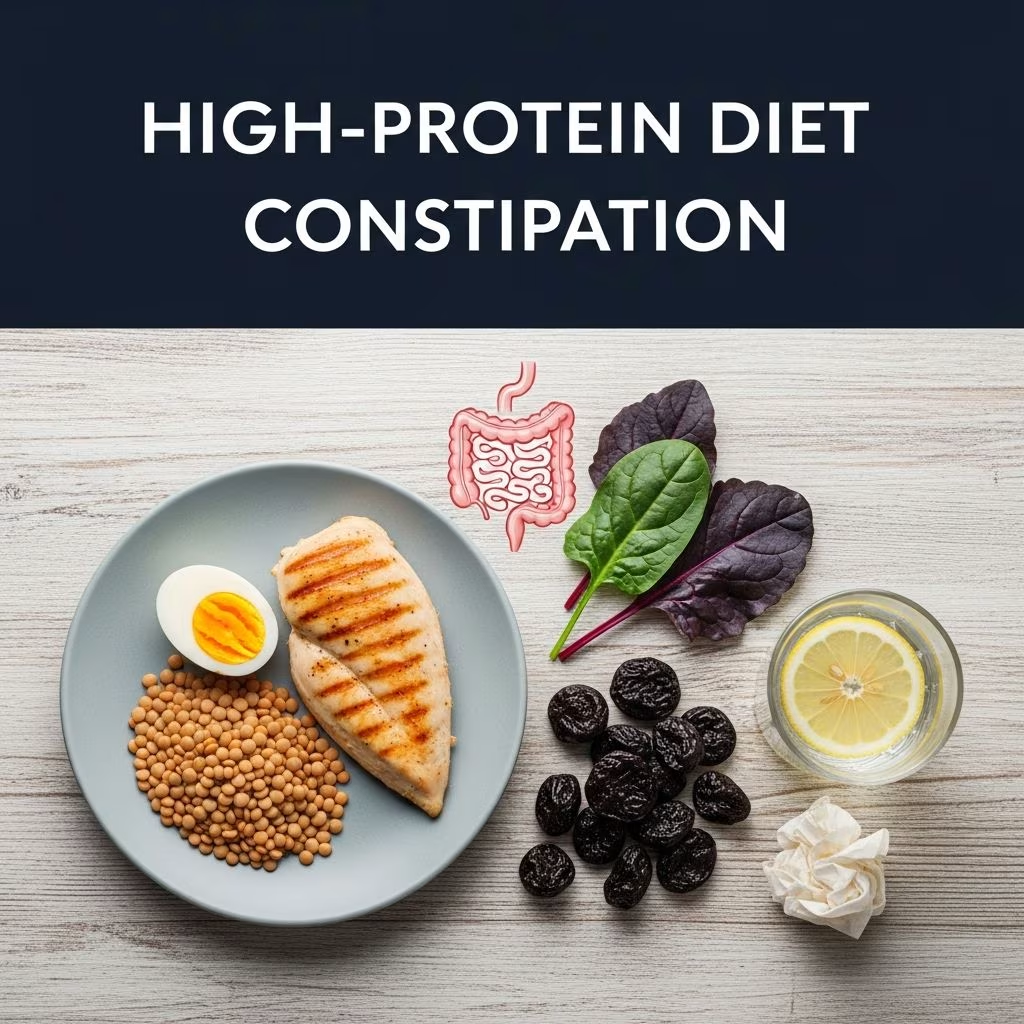
High-protein diets are popular for weight loss, muscle building, and blood sugar control, but they can lead to constipation primarily due to insufficient fiber intake from reduced carbohydrates and plant-based foods.
What Is a High-Protein Diet?
A high-protein diet typically emphasizes foods like meat, poultry, fish, eggs, and dairy, often limiting carbohydrates to promote fat loss and satiety. These diets can range from moderate increases (1.2-1.6g protein per kg body weight) to extreme versions like keto or carnivore, where protein and fats dominate.
While effective short-term, such diets replace fiber-rich carbs—fruits, vegetables, whole grains, and legumes—with animal proteins that lack fiber, slowing digestion and causing hard stools.
Does a High-Protein Diet Cause Constipation?
Protein itself does not directly cause constipation, but high-protein diets often do indirectly by crowding out fiber sources. A 2024 study from the National Health and Nutrition Examination Survey (NHANES 2005-2010) analyzed 13,941 adults and found no overall link between protein intake and constipation (defined by stool frequency or consistency). However, in low-carbohydrate consumers, every 10g increase in protein raised constipation risk by 8% (OR=1.08, 95% CI=1.02-1.14), while moderate-carb groups saw a protective effect (OR=0.94).
Mayo Clinic experts note that restrictive high-protein plans limit fiber, leading to constipation alongside issues like bad breath and headaches. GoodRx reports that animal-heavy proteins (meat, poultry, fish) provide zero fiber, and carb cuts exacerbate this, with most Americans already getting only half the recommended 22-34g daily fiber.
Why Does High-Protein Diet Cause Constipation?
Several mechanisms explain this common side effect:
- Low Fiber Intake: Fiber adds bulk to stool and speeds transit; without it, stools harden. High-protein meals often skip veggies, fruits, and grains.
- Dehydration Risk: Protein metabolism requires more water; inadequate hydration thickens stool.
- Reduced Gut Motility: Low-carb states slow colonic movement, per NHANES subgroup data showing carb-protein interactions.
- High-Fat/Processed Foods: Fried meats or dairy increase constipation risk without fiber balance.
Prevalence: About 7.5% in consistency-defined constipation, higher in low-fiber high-protein adherents.
How Much Protein Is Too Much?
Recommended intake is 0.8g/kg body weight for sedentary adults, up to 1.6-2.2g/kg for athletes. Over 2g/kg risks kidney strain and colorectal cancer from red/processed meats, per guidelines. Mayo Clinic advises nutrient-rich sources over extremes.
| Group | Daily Protein (g/kg) | Example (70kg Person) |
|---|---|---|
| Sedentary | 0.8 | 56g |
| Active/Athlete | 1.2-2.0 | 84-140g |
| High-Protein Diet | >1.6 | >112g (risk if low fiber) |
Balance is key: Pair protein with 25-30g fiber daily.
High-Protein Foods Low in Fiber
Common culprits lack digestive bulk:
- Red and processed meats (beef, bacon)
- Poultry (chicken, turkey)
- Fish/seafood
- Eggs
- Cheese and full-fat dairy
- Protein powders/shakes (if unsweetened)
These promote fullness but stall bowels without counterparts.
Signs of Constipation on a High-Protein Diet
Monitor for:
- Fewer than 3 bowel movements weekly
- Hard, lumpy stools (Bristol Stool Scale types 1-2)
- Straining or pain
- Bloating/abdominal discomfort
- Sense of incomplete evacuation
If persistent, consult a doctor to rule out underlying issues.
How to Avoid Constipation on a High-Protein Diet
Prevent with targeted strategies:
Increase Fiber Gradually
Aim for 22-28g (women) or 28-34g (men) via:
- Vegetables: Broccoli, spinach (5-10g/cup cooked)
- Fruits: Berries, apples with skin (4-8g/serving)
- Whole grains: Oats, quinoa (5-8g/serving)
- Legumes: Lentils, chickpeas (15g/cup)
Start slow to avoid gas; supplements like psyllium if needed.
Stay Hydrated
Drink 8-10 cups water daily; more with protein. Herbal teas aid motility.
Exercise Regularly
30 minutes daily walking stimulates bowels.
Smart Protein Choices
Opt for lean, plant-mixed: Greek yogurt with berries, chicken stir-fry with veggies, salmon salad.
Limit Problem Foods
Avoid excess dairy, fried items, processed meats.
Sample High-Protein, High-Fiber Meal Plan
| Meal | Foods | Protein (g) | Fiber (g) |
|---|---|---|---|
| Breakfast | Greek yogurt, berries, chia seeds, oats | 25 | 12 |
| Lunch | Grilled chicken salad with quinoa, veggies | 35 | 15 |
| Snack | Almonds, apple | 10 | 8 |
| Dinner | Baked salmon, broccoli, sweet potato | 30 | 10 |
| Total | – | 100 | 45 |
Adjust for needs; totals exceed basics for active individuals.
When to See a Doctor
Seek help if constipation lasts >1 week, includes blood, severe pain, or unexplained weight loss. Those with kidney issues should monitor protein closely.
Frequently Asked Questions (FAQs)
Can too much protein cause constipation?
Not directly, but low-fiber high-protein diets do by slowing digestion. Balance with plants.
How much fiber do I need on high protein?
25-34g daily; track via apps.
Does protein powder cause constipation?
If low-fiber types dominate, yes; mix with fruits.
Is constipation from high protein dangerous?
Usually not, but chronic cases risk hemorrhoids; address promptly.
Can I do keto without constipation?
Yes, with low-carb veggies and hydration.
This comprehensive guide, informed by peer-reviewed data and expert sources, empowers balanced high-protein eating for sustained health.
References
- Association between dietary protein intake and constipation: Data from the National Health and Nutrition Examination Survey 2005-2010 — Yi Li, Wei-Dong Tong. Neurogastroenterol Motil. 2024-04-23. https://pubmed.ncbi.nlm.nih.gov/38651659/
- Can Eating Too Much Protein Cause Constipation? — GoodRx Health. 2024 (accessed 2026). https://www.goodrx.com/conditions/constipation/too-much-protein-and-constipation
- High-protein diets: Are they safe? — Mayo Clinic. 2024 (updated). https://www.mayoclinic.org/healthy-lifestyle/nutrition-and-healthy-eating/expert-answers/high-protein-diets/faq-20058207