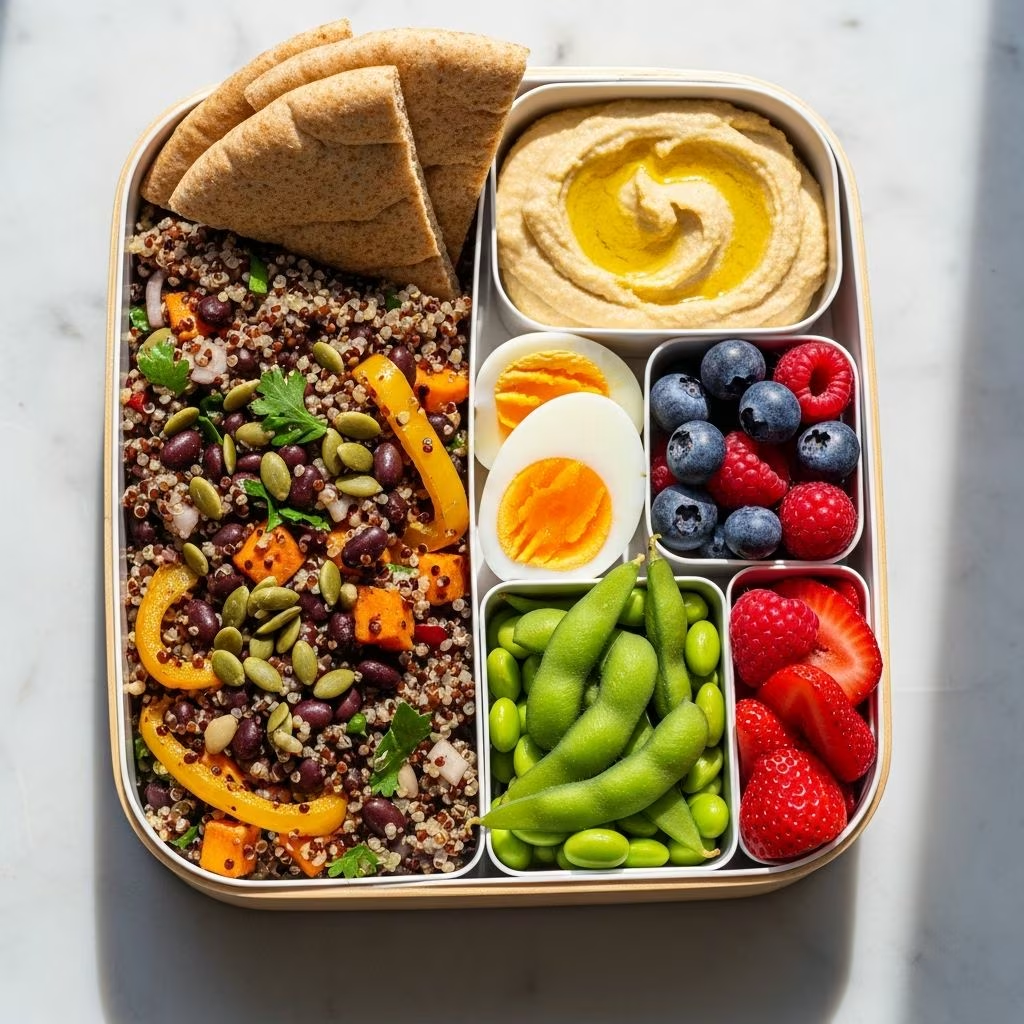
A customizable template for building high-protein vegetarian lunches with 30+ grams of protein per bowl. Mix and match from simple ingredient lists to create satisfying, flavorful meals that never get boring.
Why High-Protein Vegetarian Lunches?
High-protein meals help you feel full longer, maintain steady energy throughout the afternoon, and support muscle maintenance—especially important for vegetarians who may get less protein from meat sources. According to USDA dietary guidelines, adults need 46-56g of protein daily, but active individuals or those building muscle often aim for 1.2-2.0g per kg of body weight. This template makes it easy to hit 30g+ per lunch using simple, accessible ingredients.
These bowls are endlessly adaptable because they follow a simple formula: Base + Protein + Vegetables + Healthy Fats + Dressing + Crunch. Each component contributes protein, flavor, texture, and nutrition, allowing infinite combinations based on what you have on hand or what you’re craving.
The High-Protein Vegetarian Lunch Formula
Every bowl contains these 6 essential components. Choose one from each category to build your perfect lunch:
1. Choose Your Base (Carbs + Some Protein)
- 1 cup cooked quinoa (8g protein)
- 1 cup cooked farro (7g protein)
- 1 cup cooked brown rice (5g protein)
- 1 cup cooked lentils (18g protein) – highest protein option
- 2 cups leafy greens (2g protein) – lowest calorie option
- 1 cup roasted sweet potato cubes (4g protein)
- 1 cup cooked pasta (7g protein)
2. Add Your Protein (Main Protein Source)
- 1 cup shelled edamame (17g protein)
- 1 cup chickpeas (15g protein)
- 4-6 oz extra-firm tofu (14-20g protein)
- 4 oz tempeh (19g protein)
- ¾ cup Greek yogurt (20g protein) – as dressing base
- 2 hard-boiled eggs (12g protein)
- 1 cup cottage cheese (25g protein) – highest protein option
3. Load Up on Vegetables (Volume + Micronutrients)
- Roasted broccoli, cauliflower, Brussels sprouts, or zucchini
- Fresh cucumber, bell peppers, cherry tomatoes, shredded carrots
- Sautéed kale, spinach, or cabbage
- Roasted beets, butternut squash, or eggplant
- Pickled onions, sauerkraut, or kimchi for tang
Pro tip: Use at least 2 cups total veggies per bowl for volume without many calories.
4. Add Healthy Fats (Satisfaction + Flavor)
- ¼ avocado (7g fat)
- 2 tbsp nuts/seeds (almonds, walnuts, pepitas, sunflower seeds)
- 1-2 tbsp cheese (feta, goat cheese, cheddar)
- 2 tbsp hummus or other bean dip
- 1-2 tbsp olive oil (in dressing)
5. Choose Your Dressing (Flavor + Creaminess)
- Greek yogurt + lemon juice + garlic + herbs (15g protein per ½ cup)
- Tahini + lemon + water (creamy, 8g protein per 2 tbsp tahini)
- Pesto (basil, nuts, olive oil – rich flavor)
- Balsamic vinaigrette (sweet-tangy)
- Hummus thinned with lemon juice and water
6. Add Crunch (Texture)
- Toasted nuts/seeds
- Crushed whole-grain crackers
- Pita chips
- Roasted chickpeas
- Fresh herbs (parsley, cilantro, dill)
Sample Bowl Combinations (30g+ Protein Each)
| Bowl Name | Base | Protein | Veggies | Fats/Dressing | Crunch | Total Protein |
|---|---|---|---|---|---|---|
| Mediterranean | Quinoa | Chickpeas + feta | Cucumber, tomato, red onion, olives | Tahini-lemon dressing | Pita chips | ~35g |
| Asian-Inspired | Brown rice | Edamame + tofu | Shredded carrots, cabbage, scallions | Peanut-ginger dressing | Sesame seeds | ~38g |
| Harvest | Farro | Lentils + goat cheese | Roasted sweet potato, kale, beets | Balsamic vinaigrette | Pepitas | ~42g |
| Green Goddess | Spinach | Greek yogurt dressing + eggs | Broccoli, zucchini, avocado | Yogurt-herb dressing | Everything bagel seasoning | ~36g |
| Mexican | Brown rice | Black beans + cotija | Roasted corn, peppers, pickled onions | Lime-crema | Tortilla strips | ~33g |
Pro Tips for Success
- Batch cook bases and proteins on Sunday for easy weekday assembly
- Keep dressings separate until eating to prevent sogginess
- Roast veggies in bulk – they keep 4-5 days in the fridge
- Freeze cooked grains and beans in portions for longer storage
- Use glass containers with compartments for optimal meal prep
Real Recipes Using This Formula
Edamame Crunch Salad with Peanut Dressing (38g protein)
Quinoa (8g) + edamame (17g) + cabbage/carrot (0g) + peanut dressing with peanut butter (5g) + crispy wonton strips. Creamy, crunchy, satisfying.
High-Protein Falafel Bowl (42g protein)
Farro (7g) + baked falafel (15g) + cucumber/tomato/onion salad + tzatziki made with Greek yogurt (20g). Classic Mediterranean flavors.
Three-Bean Power Bowl (45g protein)
Lentils (18g) + chickpeas (15g) + black beans (8g) + roasted veggies + lime vinaigrette. Ultimate plant-protein combo.
Common Protein Sources & Their Impact
| Ingredient | Serving Size | Protein (g) | Calories |
|---|---|---|---|
| Cottage cheese | 1 cup | 25 | 200 |
| Greek yogurt (plain, nonfat) | ¾ cup | 20 | 100 |
| Tempeh | 4 oz | 19 | 220 |
| Lentils (cooked) | 1 cup | 18 | 230 |
| Edamame (shelled) | 1 cup | 17 | 190 |
| Chickpeas (canned, drained) | 1 cup | 15 | 270 |
Data from USDA FoodData Central. Combine these strategically to easily exceed 30g protein.
Vegetarian vs. Vegan Options
Vegetarian (with dairy/eggs): Greek yogurt, cottage cheese, feta, hard-boiled eggs, cheddar
Vegan: Tofu, tempeh, edamame, extra legumes, tahini, nuts/seeds, soy-based yogurts
Both options easily hit 30g+ protein with proper combinations.
Frequently Asked Questions
Can I make these bowls ahead for meal prep?
Yes! Batch cook bases, proteins, and veggies on Sunday. Store components separately and assemble when eating. Most last 4-5 days in the fridge.
What’s the highest-protein combination?
Cottage cheese (25g) + lentils (18g) + quinoa (8g) + any veggies = 51g protein under 600 calories.
Are these gluten-free?
Yes, when using quinoa, rice, or greens as base. Check labels on tempeh, soy sauce, and dressings.
How do I make them kid-friendly?
Use familiar ingredients: rice + chickpeas + corn + cheese + mild dressing + tortilla chip crunch.
Can I freeze these bowls?
Bases and proteins freeze well. Veggies and dressings should be added fresh after thawing.
Weekly Meal Prep Plan
- Sunday: Cook 4 cups quinoa, 4 cups lentils, roast 4 cups mixed veggies
- Monday: Asian Edamame Bowl
- Tuesday: Mediterranean Chickpea Bowl
- Wednesday: Harvest Lentil Bowl
- Thursday: Green Goddess Yogurt Bowl
- Friday: Mexican Bean Bowl
This system creates variety without daily cooking. Each bowl delivers 30-45g protein with minimal effort.
References
- FoodData Central — USDA Agricultural Research Service. 2024-01-15. https://fdc.nal.usda.gov/
- Dietary Guidelines for Americans, 2020-2025 — U.S. Department of Agriculture and U.S. Department of Health and Human Services. 2020-12-01. https://www.dietaryguidelines.gov/
- Protein Intake for Optimal Muscle Maintenance — Academy of Nutrition and Dietetics. 2023-07-20. https://www.eatright.org/