
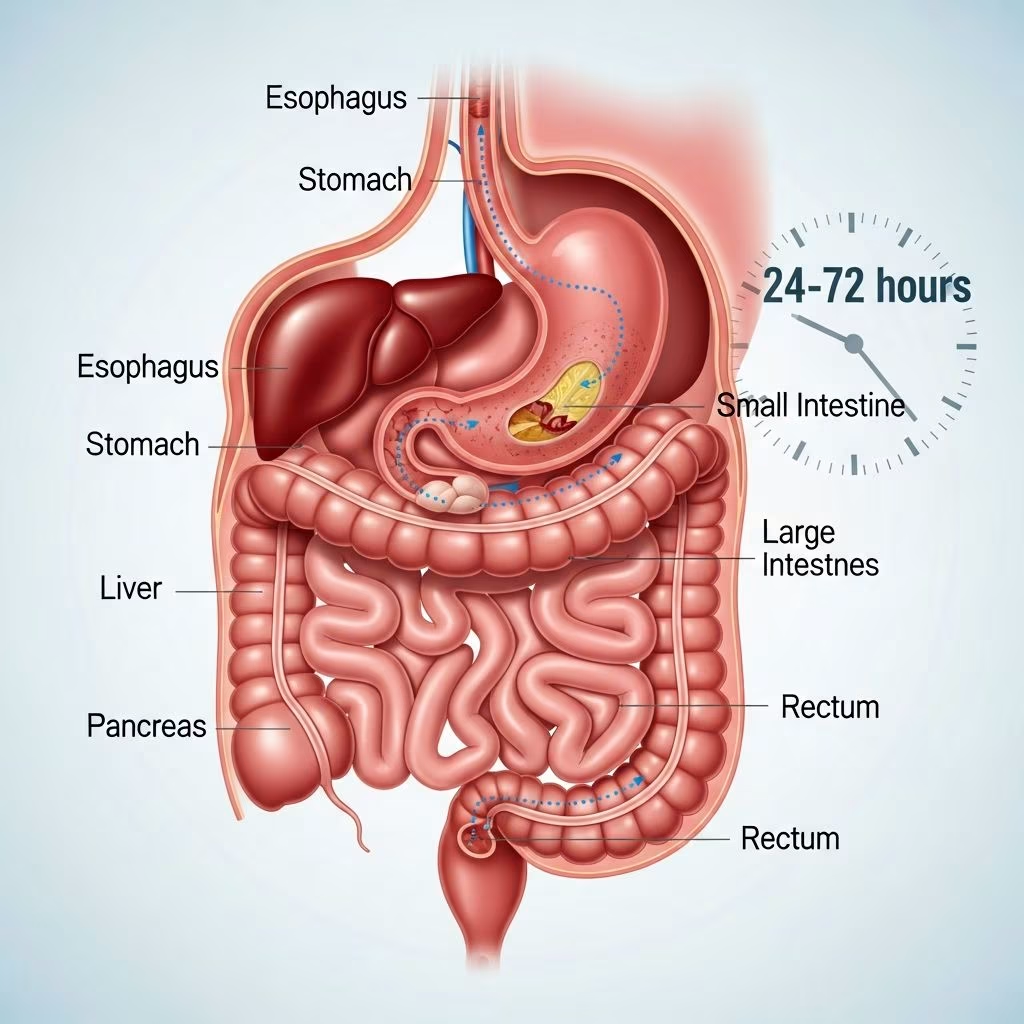
The human digestive system efficiently breaks down food into nutrients while eliminating waste, with total digestion time typically ranging from 24 to 72 hours depending on food type, individual factors, and health status.
What Is Digestion?
Digestion is the complex process where the body converts ingested food and liquids into absorbable nutrients, involving mechanical breakdown, chemical enzymatic action, and waste expulsion through a coordinated network of organs. This multifaceted system ensures energy extraction and sustenance while managing waste, with processes spanning mechanical grinding and chemical hydrolysis across multiple scales.
The gastrointestinal (GI) tract, a 30-foot tube from mouth to anus, coils in the abdomen, supported by accessory organs like the liver, pancreas, and gallbladder that provide enzymes and bile. Digestion begins before food enters the mouth, triggered by sensory cues like sight and smell, initiating neural and hormonal responses.
How Long Does It Take to Digest Food?
Complete digestion—from ingestion to elimination—averages 24 to 72 hours for most people, varying by food consistency, composition, and personal physiology. Liquids and simple carbs digest fastest (30 minutes to 2 hours in the stomach), while high-fiber meats or fatty foods can take up to 72 hours or more.
- Mouth: Seconds to minutes for initial chewing and enzymatic action.
- Stomach: 2-4 hours for chyme formation.
- Small Intestine: 2-6 hours for primary nutrient absorption.
- Large Intestine: 12-48 hours for water absorption and waste formation.
Solid foods undergo disintegration influenced by original structure, with most breakdown in the mouth and stomach. Factors like particle size reduction to under 1-2 mm in the stomach are critical for progression.
Digestion Time of Different Foods
| Food Type | Stomach Time | Total Digestion Time | Key Factors |
|---|---|---|---|
| Water/Liquids | 5-20 minutes | 30 minutes – 2 hours | Minimal breakdown needed; rapid absorption. |
| Fruits (e.g., melon, watermelon) | 20-40 minutes | 2-3 hours | High water, simple sugars; quick transit. |
| Vegetables (e.g., leafy greens) | 30-60 minutes | 3-5 hours | Fiber aids motility but slows slightly. |
| Grains/Carbs (e.g., rice, bread) | 1-2 hours | 6-8 hours | Starch hydrolysis starts in mouth. |
| Dairy | 1.5-2 hours | 6-10 hours | Lactose digestion varies by tolerance. |
| Fish | 1.5-2.5 hours | 8-12 hours | Lean protein; easier than red meat. |
| Chicken/Eggs | 2-3 hours | 12-24 hours | Moderate fat/protein. |
| Beef/Red Meat | 3-4 hours | 24-48 hours | High fat/fiber slows gastric emptying. |
| Nuts/Fatty Foods | 2-3 hours | 24-72 hours | Fats delay emptying. |
These times are averages; high-fat meals extend gastric residence as the pyloric sphincter regulates chyme release based on particle size (<2 mm). Food matrix structure significantly impacts disintegration rates.
Stages of Digestion
Mouth
Mechanical chewing reduces food to a bolus, while salivary amylase initiates starch breakdown and lingual lipase starts fat digestion—processes lasting seconds to minutes. This initial phase sets the stage for gastric processing.
Esophagus
Peristalsis propels the bolus to the stomach in 5-10 seconds via the 10-inch esophagus, bypassing the airway through epiglottis closure.
Stomach
The J-shaped stomach acts as a mixer and sieve, diluting bolus with gastric juice (pH controlled), grinding particles via contractions to form chyme (<1-2 mm). Protein digestion begins with pepsin in acidic environment (2-4 hours). Gastric phases—cephalic (pre-arrival), gastric, intestinal—coordinate secretions.
Small Intestine
Chyme enters duodenum in small bursts; pancreas releases bicarbonate to neutralize acid, plus enzymes for carb, protein, fat breakdown. Bile from gallbladder emulsifies fats. Nutrient absorption occurs over 2-6 hours across 20-foot length (duodenum, jejunum, ileum). Models like ESIN simulate this with size-based particle passage.
Large Intestine (Colon)
Remaining fluid (chyme) enters the 5-foot colon for water/electrolyte absorption, forming stool over 12-48 hours. Bacteria ferment fiber, producing vitamins/gas. Rectum stores waste until defecation.
Factors Affecting Digestion Time
- Food Composition: Fats/proteins slow emptying; fiber accelerates colonic transit.
- Meal Size: Larger meals extend stomach time proportionally.
- Age: Slower motility in elderly due to reduced muscle tone.
- Gender: Women often slower due to hormones/progesterone.
- Health Conditions: IBS, gastroparesis delay; hyperthyroidism speeds.
- Physical Activity: Exercise promotes motility; sedentary slows.
- Stress/Hydration: Stress disrupts; dehydration hardens stool.
- Medications: Opioids/antacids alter transit.
Particle size and food matrix are pivotal; larger solids (>2 mm) remain in stomach longer.
Signs of Healthy Digestion
- Regular bowel movements (3/day to 3/week), soft/banana-shaped stool.
- No persistent bloating, gas, pain, or undigested food in stool.
- Stable energy post-meals, no extreme hunger.
- Effective nutrient absorption (no deficiencies).
Healthy digestion supports immunity (70% gut-based) and mental health via gut-brain axis.
11 Tips to Improve Digestion
- Chew Thoroughly: 20-30 chews/mouthful reduces stomach workload.
- Eat Mindfully: Smaller, frequent meals prevent overload.
- Stay Hydrated: 8-10 glasses water/day softens stool.
- Increase Fiber: 25-30g/day from whole foods; gradual to avoid gas.
- Probiotics/Prebiotics: Yogurt, kefir, garlic support microbiome.
- Exercise Daily: 30 min walking stimulates peristalsis.
- Manage Stress: Meditation/yoga calms gut-brain signals.
- Avoid Triggers: Limit processed foods, caffeine, alcohol.
- Posture Matters: Sit upright during/after meals.
- Sleep Well: 7-9 hours; digestion slows when reclined.
- Herbal Aids: Ginger, peppermint soothe spasms.
When to See a Doctor
Seek care for: unexplained weight loss, blood in stool, severe pain, persistent diarrhea/constipation (>3 weeks), vomiting, family cancer history. Tests may include endoscopy, colonoscopy, imaging. Acute issues often resolve; chronic signal disorders like IBD, celiac.
Frequently Asked Questions (FAQs)
Does food really take 7 years to digest?
No myth; total transit is 24-72 hours, not years. Swallowed gum passes normally.
Why do I poop right after eating?
Gastrocolic reflex stimulates colon post-meal, especially breakfast.
Can coffee speed digestion?
Yes, stimulates motility but excess irritates.
How does fiber affect time?
Soluble slows stomach; insoluble speeds colon.
Is overnight digestion real?
Colon works continuously; no ‘rotting’ food.
References
- A review on the food digestion in the digestive tract and the used in vitro models — Nodomi et al., Current Research in Food Science (PMC). 2021-05-27. https://pmc.ncbi.nlm.nih.gov/articles/PMC8134715/
- What Is the Digestive System? — Cleveland Clinic. 2024-10-25. https://my.clevelandclinic.org/health/body/7041-digestive-system