Every January, millions pledge to get fitter, yet most abandon their resolutions by February. Sustaining fitness goals requires more than willpower—it demands smart strategies grounded in evidence-based health practices. This guide draws from clinical recommendations to help you build lasting habits.
Why Most New Year’s Resolutions Fail
New Year’s fitness resolutions often fail due to overly ambitious goals, lack of planning, and life interruptions. Studies show only about 8% of people achieve their resolutions long-term, primarily because they set vague targets like ‘get fit’ without actionable steps. Common pitfalls include starting too intensely, ignoring recovery, and neglecting habit formation.
Instead, focus on sustainable changes. UK guidelines recommend at least 150 minutes of moderate-intensity activity weekly, achievable through gradual integration rather than drastic overhauls.
Setting SMART Fitness Goals
Adopt SMART goals: Specific, Measurable, Achievable, Relevant, Time-bound. Rather than ‘exercise more,’ aim for ‘walk 30 minutes, five days a week for the next month.’
- Specific: Target activities like brisk walking or bodyweight strength exercises.
- Measurable: Track with a pedometer or app—aim for 7,000–10,000 steps daily.
- Achievable: Start where you are; if sedentary, begin with 10-minute sessions.
- Relevant: Align with personal health needs, like improving heart health or managing weight.
- Time-bound: Review progress weekly and adjust.
This approach boosts success rates by providing clarity and milestones.
Building Habits That Last
Habit formation takes 18–254 days, averaging 66 days per research. Stack new habits onto existing ones, like exercising post-coffee routine. Consistency trumps intensity—short daily sessions outperform sporadic marathons.
Key habit-building tips:
- Schedule workouts like appointments.
- Prepare in advance: lay out gym clothes the night before.
- Use cues: pair exercise with podcasts for enjoyment.
- Reward small wins, like a relaxing bath after a week of consistency.
Choosing the Right Exercise for You
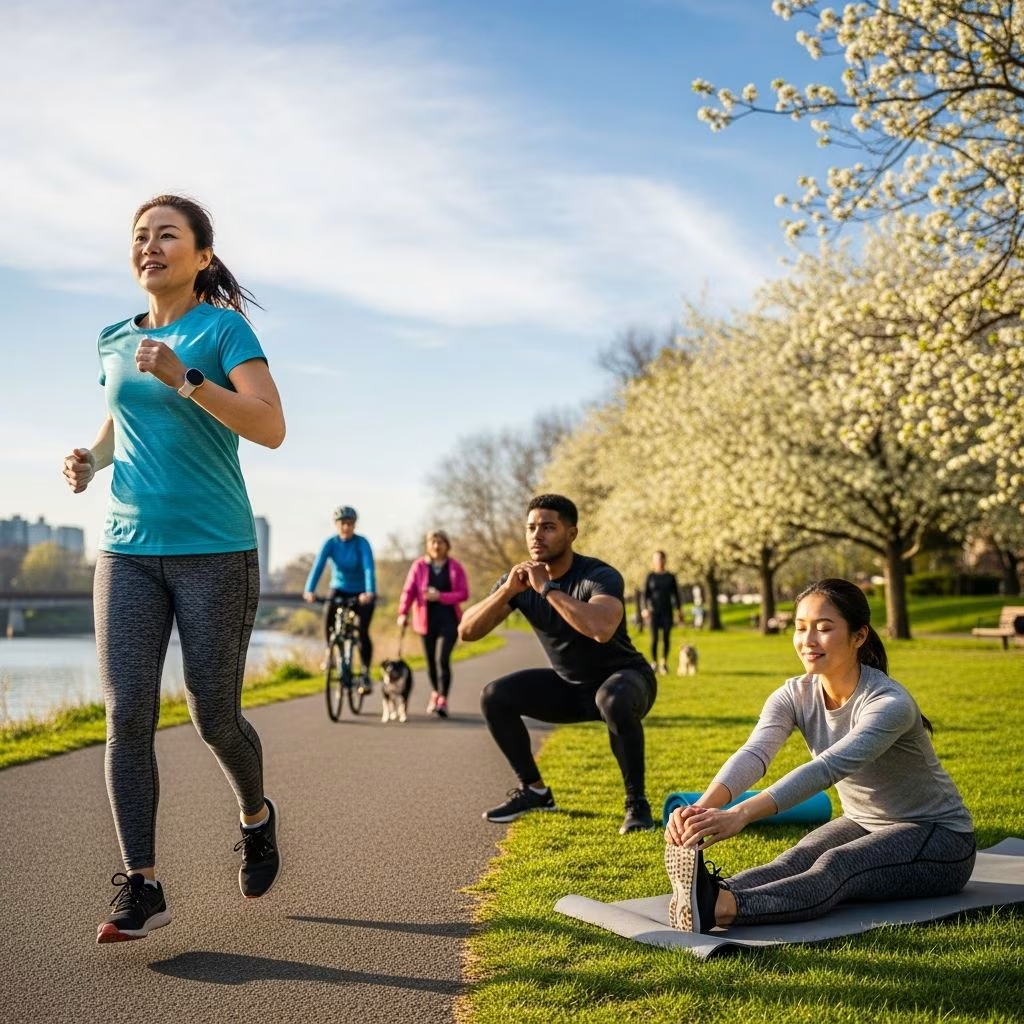
Diversify to prevent boredom and injury. Combine aerobic (walking, cycling) with strength training (squats, push-ups) twice weekly.
| Exercise Type | Benefits | Examples | Frequency |
|---|---|---|---|
| Aerobic | Heart health, weight management | Brisk walking, swimming | 150 min/week |
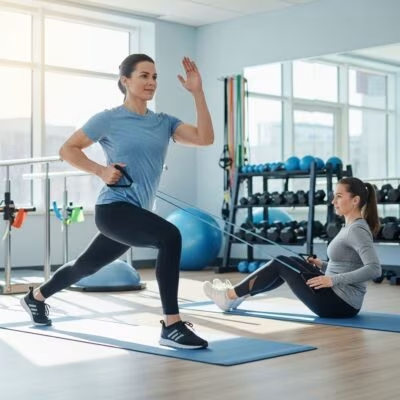
| Strength | Muscle building, bone density | Bodyweight squats, resistance bands | 2+ days/week |
| Flexibility | Mobility, injury prevention | Yoga, stretching | Daily |
| Balance | Fall prevention (older adults) | Tai chi, single-leg stands | 2–3 days/week |
Fun alternatives like dancing or group classes sustain motivation.
Overcoming Common Obstacles
Time constraints: Break into 10-minute bursts—evidence shows even short activity counts.
Motivation dips: Track progress visually; apps gamify fitness. Partner with a buddy for accountability.
Plateaus: Vary routines every 4–6 weeks. If injured, switch to low-impact options like swimming.
Bad weather: Home workouts: follow free online videos for strength or yoga.
Nutrition and Recovery Essentials
Fitness resolutions falter without balanced nutrition. Aim for whole foods: fruits, vegetables, lean proteins, whole grains. Hydrate adequately—2–3 liters daily.[10]
Recovery matters: Sleep 7–9 hours nightly; incorporate rest days. Strength training builds muscle, aiding metabolism, but pair with protein-rich meals.
- Eat balanced meals to fuel workouts.
- Monitor weight weekly, not daily, for trends.
- Avoid fad diets; opt for sustainable patterns like Mediterranean.
Tracking Progress Effectively
Use tools like pedometers, fitness trackers, or journals. Measure beyond scale: note energy levels, mood, clothing fit.
Progress metrics:
- Steps or distance covered.
- Repetitions or weights lifted.
- Body measurements or photos.
- Self-reported well-being.
Celebrate non-scale victories to maintain momentum.
The Role of Accountability and Support
Join classes, apps with communities, or find workout partners. Share goals with friends for gentle nudges. Professional guidance from trainers or GPs ensures safety, especially if inactive or with conditions.
Long-Term Mindset: Beyond January
View fitness as a lifestyle, not a resolution. Reassess goals quarterly. 30-day challenges kickstart but transition to ongoing routines for lasting change.
Incorporate variety: try rucking (weighted walking) or fun activities to keep engagement high.
Frequently Asked Questions (FAQs)
What if I miss a workout day?
Don’t quit—resume the next day. Consistency over perfection is key; one off-day won’t derail progress.
Do I need a gym membership?
No—home bodyweight exercises or outdoor walks suffice. Start free, add equipment later.
How much exercise for weight loss?
Combine 150+ min aerobic with strength training, plus calorie deficit via diet. Sustainable loss is 0.5–1kg/week.
Is it safe for beginners over 40?
Yes, with medical clearance if needed. Start slow to build fitness safely.
Can 30-day challenges lead to lasting habits?
They build momentum if followed by maintenance plans, not abandonment.
Final Thoughts on Sustained Fitness
Maintaining resolutions means prioritizing progress, patience, and pleasure in movement. Integrate activity into daily life for health gains like reduced disease risk and better mental well-being.
References
- Physical Activity: Healthy Exercise Advice — Patient.info. 2023-06-09. https://patient.info/healthy-living/physical-activity-for-health
- How to lower your BMI and lose weight healthily — Patient.info. 2023-09-20. https://patient.info/features/healthy-living/how-to-lose-weight-in-a-healthy-way
- A health and lifestyle framework: An evidence‐informed basis for… — PMC (PubMed Central). 2022. https://pmc.ncbi.nlm.nih.gov/articles/PMC9539698/
- Physical Training (Exercise Advice) — Patient.info. 2023-08-15. https://patient.info/doctor/orthopaedics/physical-training
- Do 30-day fitness challenges actually work? — Patient.info. 2022-06-01. https://patient.info/features/healthy-living/do-30-day-fitness-challenges-actually-work
- What are the benefits of strength exercises? — Patient.info. 2020-03-04. https://patient.info/features/healthy-living/what-are-the-benefits-of-strength-exercises