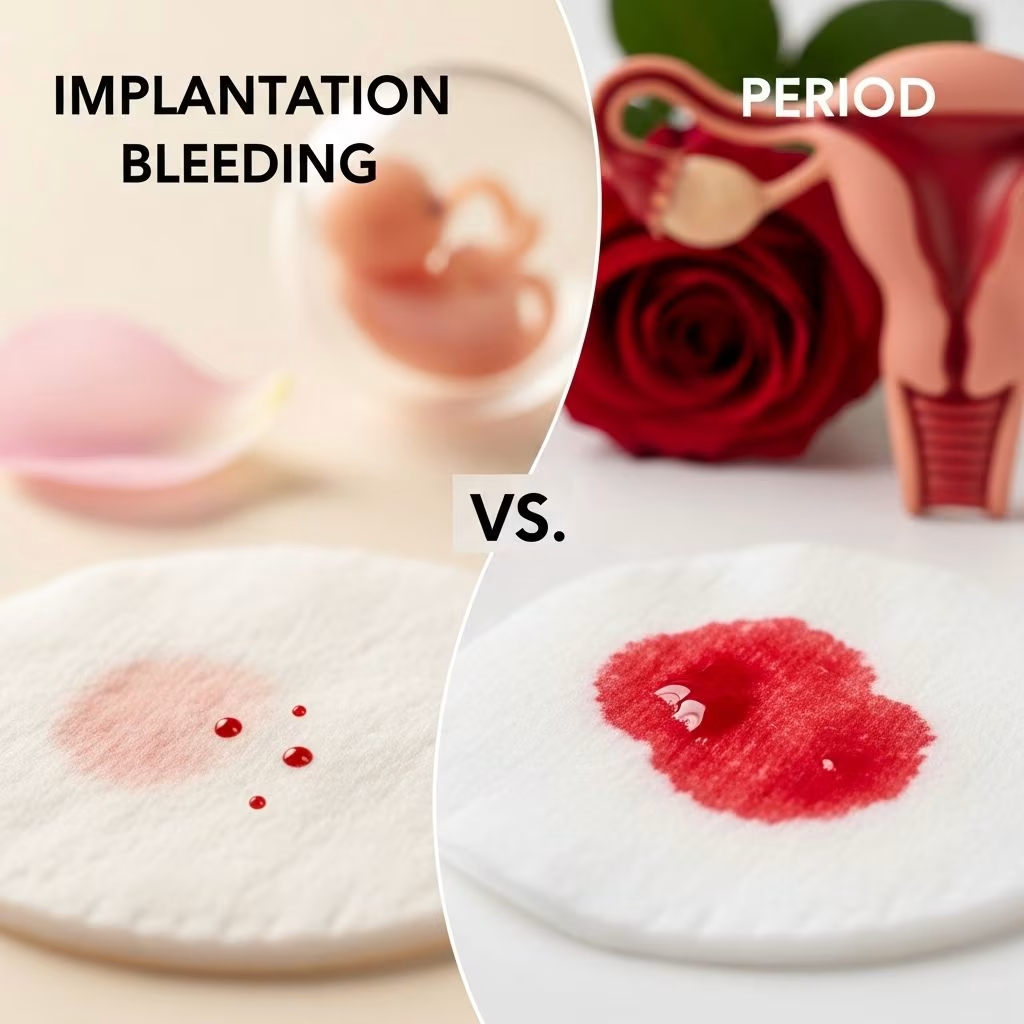
Experiencing unexpected vaginal bleeding can be confusing, especially when trying to conceive. Implantation bleeding occurs when a fertilized egg attaches to the uterine lining, often mistaken for a light period. In contrast, a period signals the shedding of the uterine lining due to non-pregnancy. Understanding the differences in timing, color, flow, duration, cramps, and accompanying symptoms is crucial for early pregnancy detection. This guide breaks down the key distinctions, when to test, and red flags requiring medical attention, drawing from medical experts and reliable health sources.
What Is Implantation Bleeding?
Implantation bleeding is light vaginal spotting that happens as the fertilized embryo burrows into the uterine wall, typically 6-12 days after ovulation. It affects about 15-25% of pregnancies and is one of the earliest signs of conception. Unlike a period, this bleeding is minimal because it involves only minor disruption to the blood vessels in the uterine lining.
The process begins when the blastocyst (early embryo) implants, releasing human chorionic gonadotropin (hCG), the pregnancy hormone detectable by tests. This spotting is usually harmless and resolves quickly, but recognizing it helps those tracking fertility.
Implantation Bleeding vs. Period: 7 Key Differences
Distinguishing implantation bleeding from a period relies on several factors. Here’s a detailed comparison:
| Factor | Implantation Bleeding | Period Bleeding |
|---|---|---|
| Timing | 6-12 days post-ovulation, often 1-2 days before expected period | 14 days post-ovulation if no pregnancy |
| Color | Pink, brown, or dark (like old blood) | Bright red to dark brown, changing over days |
| Flow | Light spotting; doesn’t soak pad/tampon | Heavy, especially days 1-3; 30-72ml total blood |
| Duration | 1-3 days max, often hours | 3-7 days |
| Clots | None | Common, especially in heavier flow |
| Cramps | Mild or absent | Moderate to severe, sustained |
| Symptoms | Early pregnancy signs (nausea, breast tenderness) | PMS (mood swings, bloating, fatigue) |
This table summarizes the core differences based on clinical observations. Periods involve heavier shedding of the endometrial lining, while implantation is superficial.
1. Timing of Implantation Bleeding vs. Period
Implantation bleeding aligns with the luteal phase, around days 20-26 of a 28-day cycle, shortly before your period is due. A period starts precisely when pregnancy doesn’t occur, about 14 days after ovulation. Overlapping timing often leads to confusion, but tracking ovulation via apps or kits clarifies this.
2. Color of Implantation Bleeding vs. Period
Implantation blood appears pinkish, brown, or dark due to slow oxidation, resembling discharge more than flow. Period blood starts bright red (fresh) and darkens to brown at the end, with vivid crimson during peak flow. Bright red heavy bleeding favors a period.
3. Flow and Volume: Implantation Bleeding vs. Period
Implantation is spotting—enough to notice on tissue but not requiring protection; total volume under 5ml. Periods average 30-72ml (5-12 teaspoons), soaking pads multiple times daily. No pad saturation points to implantation.
4. Duration of Implantation Bleeding vs. Period
Implantation lasts 1-3 days, often a single day of intermittent spots. Periods endure 3-7 days, peaking mid-way. Short-lived bleeding post-ovulation suggests implantation.
5. Cramps with Implantation Bleeding vs. Period
Mild, brief lower abdominal twinges accompany implantation from uterine stretching. Period cramps are intense, prostaglandin-driven, lasting days with backache. Severe pain warrants checking for other issues.
6. Other Symptoms: Implantation Bleeding vs. Period
- Implantation: Nausea, frequent urination, sore breasts, cravings, fatigue from rising hCG.
- Period: PMS like bloating, mood swings, headaches, increased appetite.
Positive pregnancy symptoms emerging post-bleeding confirm implantation.
7. Clots and Consistency
No clots or tissue in implantation; it’s watery spotting. Periods feature clots from coagulated blood/tissue.
Can Implantation Bleeding Be Heavy?
Rarely; heavy flow with clots indicates period or complications like miscarriage. Implantation remains light by nature, as only tiny vessels rupture. If pads soak quickly, it’s unlikely implantation.
Implantation Bleeding 10 Days After Ovulation
Common timing: Ovulation day 14 + 10 days = day 24, near period start. Light pink/brown spots then signal implantation. Test if no period follows.
Can Implantation Bleeding Fill a Pad?
No, it doesn’t fill even a liner. Pad-filling flow = period or potential issue.
What Does Implantation Bleeding Look Like?
Light pink/brown spots on underwear or paper, minimal volume, no gush. Resembles scant discharge.
Period Blood vs. Implantation Bleeding Color
Period: Red spectrum. Implantation: Muted pink/brown.
Implantation Bleeding vs. Period Cramps
Implantation: Fleeting, mild. Period: Prolonged, intense.
Is Implantation Bleeding Dark Brown?
Yes, often dark brown from oxidized blood.
How Long After Implantation Bleeding Should You Test?
Wait 2-3 days post-spotting for hCG buildup; test 10-14 days post-ovulation. Early tests detect from 8 days.
Implantation Bleeding: When to Worry
- Bright red heavy flow with clots
- Severe pain
- Persistent beyond 3 days
- Accompanied by fever/dizziness
15-25% early pregnancies bleed lightly, but consult a doctor for reassurance.
Frequently Asked Questions (FAQs)
What does implantation bleeding look like?
Light pink, brown, or dark spotting, not enough to fill a pad.
How long does implantation bleeding last?
1-3 days, often shorter.
Can implantation bleeding be bright red?
Rarely; usually muted colors. Bright red suggests period.
Does implantation bleeding have clots?
No, unlike periods.
When to take a pregnancy test after implantation bleeding?
2-4 days after, or on missed period day.
Is dark brown spotting implantation?
Possibly, common sign.
This comprehensive overview empowers you to differentiate bleeding types accurately. Always consult healthcare providers for personalized advice.
References
- Implantation Bleeding vs. Period: Know the Signs of Pregnancy — Bocah Indonesia. 2023. https://bocahindonesia.com/en/difference-between-menstrual-blood-and-implantation-bleeding/
- Implantation Bleeding vs. Menstrual Cycle: Key Differences — Oasis India. 2024. https://oasisindia.in/blog/implantation-bleeding-vs-menstrual-cycle-when-to-test/
- Implantation bleeding vs. period bleeding: The differences — Flo Health. 2024. https://flo.health/getting-pregnant/trying-to-conceive/signs-of-pregnancy/implantation-bleeding-vs-period
- Implantation bleeding or period bleeding? 5 basic differences — Dexeus. 2023. https://www.dexeus.com/blog/en/fertility/implantation-bleeding-or-period/
- Implantation Bleeding vs Period: Key Differences — IVI Fertility. 2024. https://ivi-fertility.com/blog/menstruation-vs-implantation-bleeding/
- How to Tell the Difference Between Implantation and Period Bleeding — Healthline. 2024-05-10. https://www.healthline.com/health/implantation-bleeding-vs-period
- Implantation Bleeding VS Period: How To Tell The Difference — YouTube (Dr. Video). 2023. https://www.youtube.com/watch?v=r3AbsBK9C_0
- Implantation Bleeding — Cleveland Clinic. 2023-10-04. https://my.clevelandclinic.org/health/symptoms/24536-implantation-bleeding