
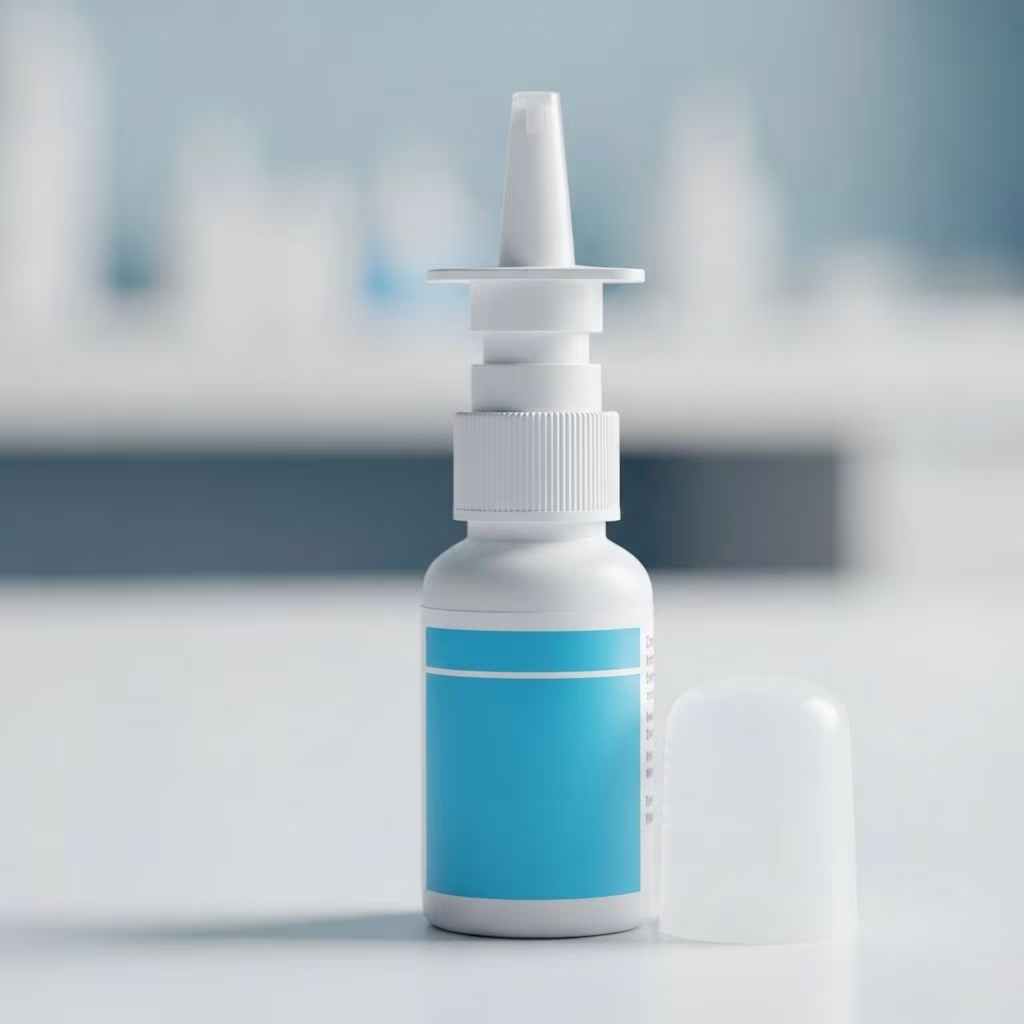
Ipratropium nasal spray is a targeted medication designed to combat excessive nasal discharge, commonly known as rhinorrhea. This anticholinergic agent works by inhibiting the overproduction of mucus in the nasal passages, providing quick relief for conditions like the common cold, seasonal allergies, and various forms of rhinitis.
Understanding How Ipratropium Targets Nasal Symptoms
The mechanism of ipratropium involves blocking muscarinic receptors in the nasal mucosa. This action reduces glandular secretions without significantly affecting other bodily functions, making it ideal for localized treatment. Unlike decongestants that shrink blood vessels, ipratropium specifically curbs fluid output from mucus glands, starting to work within 15 minutes to an hour.
Clinical studies demonstrate its efficacy: in patients with non-allergic rhinitis, it significantly shortens rhinorrhea duration and severity. For allergic cases, it complements other therapies by focusing solely on drip without addressing sneezing or congestion.
Primary Conditions Treated with Nasal Ipratropium
- Common Cold: Relieves watery runny nose in adults and children over 5 years.
- Seasonal Allergic Rhinitis (Hay Fever): Manages symptoms during pollen seasons.
- Perennial Allergic and Non-Allergic Rhinitis: Controls year-round nasal drip from dust, pets, or irritants.
It’s FDA-approved for these uses, with off-label applications in severe cases under medical supervision.
Dosage Guidelines by Condition and Age Group
Proper dosing ensures effectiveness while minimizing risks. Always follow prescribing instructions.
| Condition | Strength | Dosage | Duration | Age Group |
|---|---|---|---|---|
| Common Cold | 0.06% | 2 sprays per nostril, 3-4 times daily | Up to 4 days | 5 years and older |
| Seasonal Allergies | 0.06% | 2 sprays per nostril, 4 times daily | Up to 3 weeks | 5 years and older |
| Perennial Rhinitis | 0.03% | 2 sprays per nostril, 2-3 times daily | As prescribed | 6 years and older |
Improvement often begins on the first day, but full benefits may take weeks for chronic use.
Step-by-Step Instructions for Safe Administration
- Prepare the Spray: Shake well. For first use or after 4 hours without use, prime by spraying 4-7 times away from face until mist appears.
- Clean Nose: Blow gently to clear passages.
- Position Head: Tilt slightly forward, insert nozzle into one nostril, aiming away from septum.
- Spray and Breathe: Close other nostril, spray while inhaling gently through nose. Avoid deep sniff.
- Repeat: For other nostril. Wipe nozzle and recap.
Avoid eye contact; rinse immediately if occurs. Do not share bottles.
Potential Side Effects and Management Strategies
Most users experience mild effects. Common ones include:
- Nasal dryness or irritation (up to 10% of users)
- Headache or sore throat
- Cough or nosebleeds (rare)
Serious reactions like blurred vision, allergic responses (rash, swelling), or urinary issues warrant immediate medical attention. Long-term use beyond recommended periods lacks safety data.
| Severity | Symptoms | Action |
|---|---|---|
| Mild | Dry nose, mild epistaxis | Moisturize, continue if tolerable |
| Moderate | Headache, irritation | Reduce frequency, consult doctor |
| Severe | Vision changes, breathing difficulty | Stop use, seek emergency care |
Precautions and Who Should Avoid It
Not for those with hypersensitivity to ipratropium, atropine, or belladonna alkaloids. Use caution in glaucoma (narrow-angle), prostate enlargement, or bladder obstruction patients. Safe in pregnancy category B, but consult providers.
- Pregnant/Breastfeeding: Weigh benefits vs. risks.
- Children: Age-specific dosing; monitor closely.
- Elderly: Watch for dryness exacerbating issues.
Interactions with Other Medications and Substances
Minimal systemic absorption limits interactions, but avoid other anticholinergics to prevent additive effects. No major food/alcohol conflicts noted.
Storage and Handling Best Practices
Store at room temperature (15-30°C), away from heat/light. Keep upright, discard after labeled sprays or 3 months post-first use. Check expiration.
Comparing Ipratropium to Other Nasal Remedies
| Treatment | Targets | Onset | Duration Limit |
|---|---|---|---|
| Ipratropium Spray | Rhinorrhea only | 15-60 min | 4 days (cold) |
| Oral Antihistamines | Sneezing, itching | 1 hour | Chronic OK |
| Nasal Steroids | All symptoms | Days | Long-term |
| Decongestants | Congestion | Minutes | 3 days max |
Ipratropium excels where drip predominates without rebound risks.
When to Consult a Healthcare Professional
- Symptoms persist beyond treatment duration.
- Worsening signs like fever, facial pain (sinusitis possible).
- Frequent need suggests underlying issues like chronic rhinitis.
Regular check-ins optimize therapy.
Real-World Benefits and Patient Experiences
Users report drier noses within hours, improving daily activities. In COPD/asthma contexts, nasal form aids adjunctively, though inhalers are primary. Meta-analyses confirm reduced rhinorrhea in diverse rhinitis types.
Frequently Asked Questions (FAQs)
Can children under 5 use ipratropium nasal spray?
No, it’s approved for ages 5+ (0.06%) or 6+ (0.03%). Consult pediatricians for alternatives.
Does it help with nasal congestion?
No, it targets runny nose only, not swelling/blockage.
Is it safe for long-term daily use?
Limited to short courses; perennial use under supervision.
What if I accidentally swallow some?
Little absorption, but rinse mouth and contact poison control if concerned.
Can I use it with other allergy meds?
Yes, complements antihistamines/steroids well.
Lifestyle Tips to Enhance Treatment Outcomes
- Use saline rinses pre-spray for better penetration.
- Humidify air to counter dryness.
- Avoid irritants like smoke/pollens.
- Stay hydrated for thinner mucus.
Combining these maximizes relief.
References
- Ipratropium bromide — Wikipedia. 2023. https://en.wikipedia.org/wiki/Ipratropium_bromide
- Ipratropium – StatPearls — NCBI Bookshelf, NIH. 2023-10-01. https://www.ncbi.nlm.nih.gov/books/NBK544261/
- Ipratropium Nasal Spray: MedlinePlus — MedlinePlus, NIH. 2023. https://medlineplus.gov/druginfo/meds/a618013.html
- Atrovent Nasal Spray – Uses, Side Effects — MedBroadcast. 2023. https://medbroadcast.com/drug/getdrug/atrovent-nasal-spray
- pms-ipratropium – spray — Health Canada Drug Product Register. 2023. https://hpr-rps.hres.ca/details.php?drugproductid=4022&query=