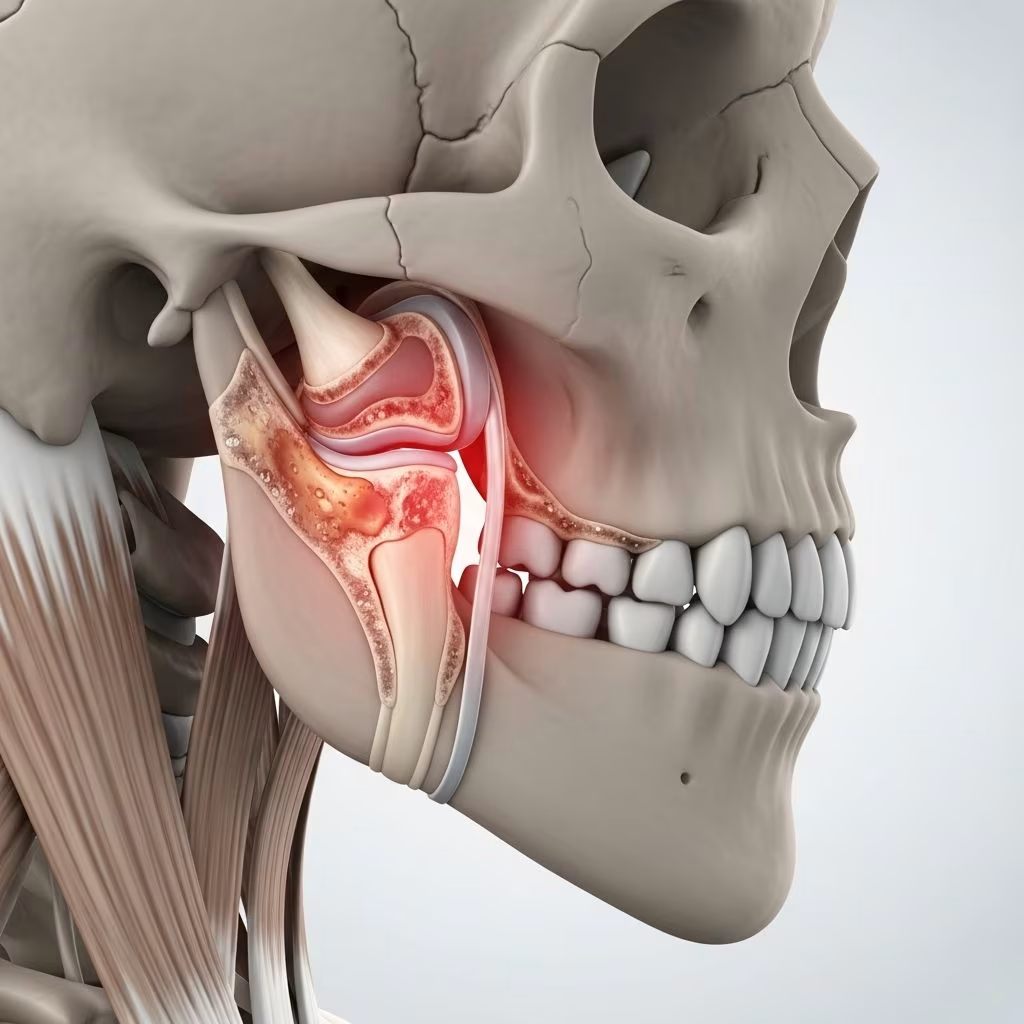
Arthritis can affect the temporomandibular joint (TMJ), leading to jaw pain, stiffness, and limited movement in adults. This condition often overlaps with TMJ disorders, impacting daily activities like chewing and speaking.
What Causes Jaw Pain in People with Arthritis?
The TMJ connects the lower jaw to the skull and is highly active, making it susceptible to arthritis. Osteoarthritis (OA), the most common type, results from wear and tear, cartilage breakdown, and bone changes, often in people over 50. It causes crepitus (grating sounds), stiffness, and pain during movement.
Rheumatoid arthritis (RA), an autoimmune disease, attacks joint linings, leading to inflammation and bone erosion, typically in later stages and bilaterally. Studies show up to 93% of RA patients experience TMJ involvement, correlating with disease severity.
Psoriatic arthritis (PsA), a spondyloarthropathy, also affects the TMJ, with symptoms like jaw opening issues, grinding, and noises more severe in PsA than psoriasis alone. Other factors include trauma, bruxism (teeth grinding), repetitive motions like gum chewing, misalignment, stress, and medications.
Signs and Symptoms of Jaw Arthritis
Symptoms vary by arthritis type and severity but commonly include:
- Pain: Dull ache or sharp pain on movement, tenderness, or around ears/neck.
- Stiffness: Especially mornings, limiting jaw opening.
- Sounds: Clicking, crepitus, grating, or crunching.
- Limited movement: Difficulty chewing, locking jaw.
- Associated issues: Headaches, facial/ear pain, toothache, bite changes.
In OA, expect joint sounds and reduced range; RA may cause symmetric inflammation; PsA involves clenching and noises. Progression can lead to one-sided bite dominance or gravel-like friction from dry joints.
Diagnosing Jaw Arthritis
Diagnosis starts with history and exam for pain, sounds, and motion limits. Imaging confirms:
- X-rays: Bone flattening, beaking, reduced space.
- CT/MRI: Cartilage loss, inflammation, disc issues.
OA shows degenerative changes; RA/secondary types bilateral involvement or erosion. Crepitus indicates disc perforation. Early detection prevents deterioration.
Treatment Options for Jaw Pain from Arthritis
Treatments prioritize conservative approaches:
Self-Care and Lifestyle Changes
- Apply moist heat/ice for 10-15 minutes.
- Soft diet, avoid gum/chewy foods.
- Jaw exercises for mobility.
- Stress reduction: Meditation, yoga.
- Massages for muscle tension.
Medications
- NSAIDs (ibuprofen) for pain/inflammation.
- Muscle relaxants for spasms.
- Corticosteroid injections for severe cases.
Dental Appliances
Splints or mouthguards prevent grinding, reposition disc, reduce joint load. Effective for bruxism-related arthritis.
Physical Therapy
Ultrasound, TENS, stretching improve motion, strength. Addresses posture, habits.
Advanced Interventions
Arthrocentesis (joint flushing), arthroscopy for inflammation/disc issues. Surgery (open joint) for extreme damage: disc repair/replacement, bone reshaping. Reserved for failures of conservative care.
Rheumatoid meds (DMARDs, biologics) manage underlying disease.
Preventing and Managing Jaw Arthritis Long-Term
Avoid triggers: Limit clenching, use guards nightly. Manage arthritis systemically. Regular dental/rheumatology check-ups monitor progression. Stress management breaks pain cycles.
Frequently Asked Questions
Can arthritis cause TMJ disorders?
Yes, arthritis leads to TMJ symptoms like inflammation, cartilage loss, restricted movement. Affects ~10 million Americans.
Is jaw arthritis more common in certain arthritis types?
OA is most frequent; RA affects 93% in late stages; PsA causes severe symptoms.
How do you treat jaw pain from arthritis at home?
Heat/ice, soft foods, jaw rest, stress relief, OTC pain relievers.
When is surgery needed for jaw arthritis?
If conservative treatments fail and there’s severe damage or locking.
Does stress worsen jaw arthritis?
Yes, via clenching/bruxism, creating a pain cycle.
Comparison of Arthritis Types Affecting the Jaw
| Type | Key Features | Symptoms | Treatment Focus |
|---|---|---|---|
| Osteoarthritis | Wear/tear, >50 yrs, crepitus | Stiffness, sounds, pain | Conservative, appliances |
| Rheumatoid | Autoimmune, bilateral, late-stage | Inflammation, erosion | DMARDs, NSAIDs |
| Psoriatic | Spondyloarthropathy | Opening issues, noises | Anti-inflammatories |
Jaw arthritis demands multidisciplinary care: rheumatologists, dentists, PTs. Early intervention preserves function.
References
- Arthritis in Jaw or TMJ: Types, Symptoms, Causes, and Treatment — Healthline. 2023. https://www.healthline.com/health/can-you-get-arthritis-in-your-jaw
- TMJ & Arthritis In The Jaw Joints — Donald R. Tanenbaum, DDS MPH, NYTMJ. 2024. https://www.nytmj.com/tmj-arthritis-in-the-jaw-joints/
- Jaw Pain and Arthritis: Symptoms, Treatment, and More — CreakyJoints. 2023-10-12. https://creakyjoints.org/living-with-arthritis/symptoms/arthritis-jaw-pain/
- Arthritis of the Temporomandibular Joint (TMJ) — Merck Manuals (Professional). 2025. https://www.merckmanuals.com/professional/dental-disorders/temporomandibular-disorders/arthritis-of-the-temporomandibular-joint-tmj
- TMJ disorders – Symptoms and causes — Mayo Clinic. 2024-11-01. https://www.mayoclinic.org/diseases-conditions/tmj/symptoms-causes/syc-20350941
- TMD (Temporomandibular Disorders) — National Institute of Dental and Craniofacial Research (NIDCR). 2023. https://www.nidcr.nih.gov/health-info/tmd