
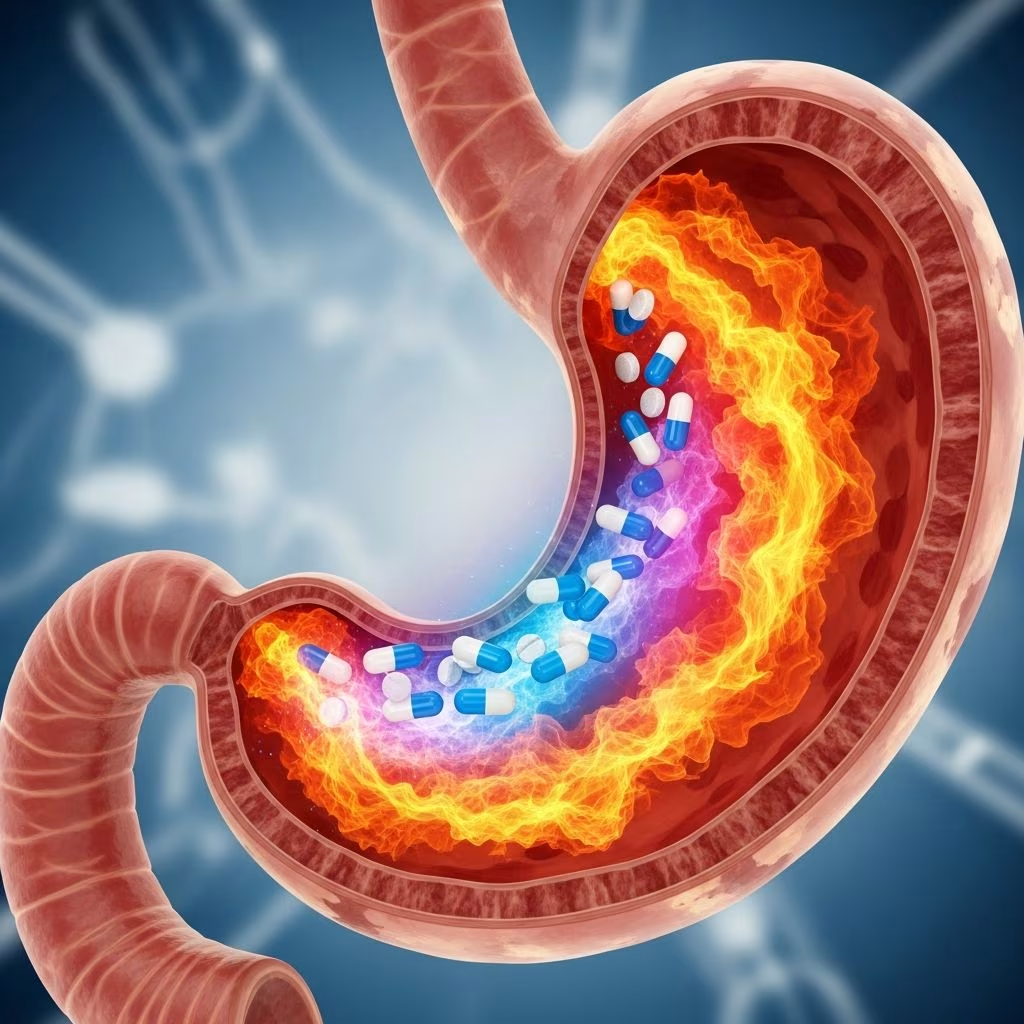
Lansoprazole is a medication that effectively reduces the amount of acid produced in the stomach, helping to alleviate symptoms of acid-related conditions such as heartburn, indigestion, and ulcers.
About lansoprazole
Lansoprazole belongs to a class of drugs known as proton pump inhibitors (PPIs). These medications work by blocking the enzyme in the wall of the stomach that produces acid, thereby decreasing acid production significantly.
Acid is naturally produced in the stomach to aid digestion and kill harmful bacteria. However, excessive acid can damage the stomach lining or escape into the esophagus, causing irritation, inflammation, or ulcers. The body’s natural mucus barrier usually protects the stomach, but when this barrier weakens—due to factors like NSAID use, infection, or reflux—the acid can cause problems.
Lansoprazole is particularly useful for treating gastro-oesophageal reflux disease (GORD), also known as GERD, where stomach acid flows back into the esophagus, leading to heartburn and potential damage like erosive esophagitis. It also treats duodenal and gastric ulcers, including those caused by non-steroidal anti-inflammatory drugs (NSAIDs) or Helicobacter pylori (H. pylori) infection. In combination with antibiotics, it helps eradicate H. pylori to prevent ulcer recurrence. Additionally, it manages rare conditions like Zollinger-Ellison syndrome (ZES), where the stomach overproduces acid due to tumors.
Key facts
- Lansoprazole is typically taken once daily, ideally 30 minutes before breakfast on an empty stomach for optimal effect.
- For more severe cases, it may be taken twice daily, with the second dose in the evening.
- Relief from symptoms like heartburn often begins within 2-3 days, but full control may take up to 4 weeks.
- Common side effects are mild, including headache, diarrhea, and stomach pain, which usually resolve after stopping the medication.
- It is available as capsules, orodispersible tablets (melt-in-the-mouth), delayed-release capsules, disintegrating tablets, or powder for suspension, in strengths of 15mg or 30mg.
- Not usually recommended during pregnancy; consult a doctor.
How and when to take lansoprazole
Take lansoprazole exactly as prescribed. Swallow capsules whole with water; do not crush or chew unless using orodispersible tablets, which dissolve on the tongue.
Timing: Best taken 30 minutes before a meal, preferably breakfast, when the stomach is empty. This maximizes its acid-suppressing effect by targeting proton pumps as they activate.
If two doses are required, take the first 30 minutes before breakfast and the second in the evening.
Missed dose: Take as soon as remembered unless close to the next dose. Do not double up.
Dosage
| Condition | Adult Dose | Notes |
|---|---|---|
| Indigestion/Heartburn/Acid Reflux/GORD | 15-30mg once daily | Before breakfast; adjust as needed. |
| Stomach/Duodenal Ulcers | 15-30mg once daily | For 4-8 weeks; with antibiotics for H. pylori. |
| NSAID-associated Ulcers (Prevention/Treatment) | 15-30mg once daily | Before meal. |
| Zollinger-Ellison Syndrome | 60mg daily (up to 120mg) | May divide doses. |
| Children (over 1 year, >30kg) | Dose by doctor | Use and dose determined by physician. |
Doses may be lower for children, elderly, or those with liver issues. Continue for the full prescribed course, even if symptoms improve, to allow healing.
Side-effects of lansoprazole
Most side effects are mild and transient. Common ones affect more than 1 in 100 people.
Common side effects
- Headache: Rest in a dark room; stay hydrated. Paracetamol may help.
- Diarrhea: Drink plenty of fluids; eat high-fiber foods. See a doctor if persistent.
- Stomach pain/Constipation: Smaller, frequent meals; heat pad; more fiber/water.
- Feeling sick (nausea): Small bland meals; ginger; avoid fried foods.
Serious side effects (rare)
Seek immediate medical help for:
- Signs of allergy: rash, swelling, breathing difficulty.
- Severe diarrhea (possibly C. difficile infection).
- Liver problems: yellowing skin/eyes, dark urine.
- Low magnesium: muscle cramps, irregular heartbeat (with long-term use).
- Bone fractures (hip/wrist/spine) with high doses/long-term use.
Long-term use (>1 year) may increase risks of infections, vitamin B12 deficiency, or stomach growths—though evidence is limited. Discuss with your doctor.
How to cope with side effects
For stomach pain: Rest, eat slowly, use a heat pad. For constipation: Increase fiber (fruits, veggies, cereals) and water intake.
Most effects improve as your body adjusts or upon stopping. Consult a pharmacist or doctor if severe or persistent.
Pregnancy and breastfeeding
Lansoprazole is not usually recommended in pregnancy unless benefits outweigh risks. Limited data exist, but animal studies show no harm. Inform your doctor if pregnant/planning.
Breastfeeding: Small amounts pass into breast milk; generally considered safe short-term, but discuss alternatives with your doctor.
Other medicines and lansoprazole
Lansoprazole can interact with various drugs:
- Safe with: Paracetamol, ibuprofen (take with food).
- Caution: Anticoagulants (e.g., warfarin), antifungals (ketoconazole), digoxin, methotrexate, rilpivirine—increased levels possible.
- Avoid/Adjust: Atazanavir/relpivirine (reduced efficacy); iron/sucralfate (take 2+ hours apart).
- Safe with antacids (e.g., Gaviscon).
Inform your doctor/pharmacist of all medications, including herbal remedies.
Common questions about lansoprazole
How does lansoprazole work?
Lansoprazole inhibits proton pumps—enzymes in stomach cells that produce acid—preventing acid secretion for up to 24 hours.
When will I feel better?
Symptoms improve in 2-3 days, full effect in up to 4 weeks. Continue treatment to heal underlying damage.
Can I take it with painkillers?
Yes, safe with paracetamol or ibuprofen (with food to protect stomach).
Can I take it with antacids?
Yes, antacids provide faster relief; lansoprazole for long-term control.
Is it safe long-term?
Use shortest duration needed. Long-term may raise infection/fracture risks; monitor with doctor.
How do I stop taking it?
Usually stop abruptly, but for long-term use, taper gradually to avoid acid rebound.
Compared to other PPIs/H2 blockers?
PPIs like lansoprazole are more effective than H2 blockers (e.g., ranitidine) for acid reduction.[10]
Further reading
- Proton pump inhibitors overview.
- Acid reflux and oesophagitis management.
- Indigestion self-care tips.
References
- Lansoprazole (oral route) – Description — Mayo Clinic. 2023-10-01. https://www.mayoclinic.org/drugs-supplements/lansoprazole-oral-route/description/drg-20067214
- Lansoprazole: medicine to lower stomach acid — NHS. 2024-05-15. https://www.nhs.uk/medicines/lansoprazole/
- Lansoprazole to reduce stomach acid (Zoton FasTab) — Patient.info. 2024-01-20. https://patient.info/medicine/lansoprazole-to-reduce-stomach-acid-zoton-fastab-prevacid
- Lansoprazole for secondary prevention of gastric or duodenal ulcers — PubMed Central (Sugano K et al.). 2011-04-27. https://pmc.ncbi.nlm.nih.gov/articles/PMC3117278/
- Proton Pump Inhibitors: Uses and Side-Effects — Patient.info. 2023-11-10. https://patient.info/digestive-health/indigestion-medication/proton-pump-inhibitors
- H2 Blockers: Uses and Side-Effects — Patient.info. 2023-09-05. https://patient.info/digestive-health/indigestion-medication/h2-blockers