About lixisenatide
Lixisenatide is an antidiabetic medicine classified as a GLP-1 receptor agonist, primarily used for treating type 2 diabetes mellitus in adults.
| Type of medicine | Used for | Also called | Available as |
|---|---|---|---|
| An antidiabetic injection | Type 2 diabetes mellitus in adults | Lyxumia (EU); Adlyxin (US) | Subcutaneous injection in pre-filled pens |
Insulin, a hormone produced by the pancreas, regulates blood glucose levels by facilitating sugar uptake into cells for energy. In type 2 diabetes, the body either fails to produce sufficient insulin or does not use it effectively, leading to elevated blood sugar (hyperglycemia). Uncontrolled high blood sugar increases risks of complications like cardiovascular disease, neuropathy, retinopathy, and kidney damage. While lifestyle changes such as diet and exercise form the foundation of management, many patients require pharmacological intervention. Lixisenatide is prescribed alongside diet, exercise, oral antidiabetics, and/or basal insulin when these alone fail to achieve adequate glycemic control (e.g., HbA1c targets).
Lixisenatide mimics the action of glucagon-like peptide-1 (GLP-1), an incretin hormone. It operates through three key mechanisms: (1) stimulating glucose-dependent insulin secretion from pancreatic beta cells, thereby lowering blood glucose without excessive risk of hypoglycemia; (2) suppressing glucagon release from alpha cells, which reduces hepatic glucose production; and (3) delaying gastric emptying, which moderates postprandial glucose spikes by slowing nutrient absorption. This multifaceted approach improves both fasting and post-meal blood sugar levels, often leading to modest weight loss due to appetite suppression and slower digestion.
Clinical evidence supports its efficacy. In trials, lixisenatide as monotherapy or add-on therapy reduced HbA1c by 0.5-1.0% versus placebo, with benefits seen across combinations like metformin, sulfonylureas, pioglitazone, or basal insulin. It is particularly effective for postprandial control. Guidelines from bodies like the American Diabetes Association note GLP-1 agonists like lixisenatide offer advantages over basal insulin alone, including lower hypoglycemia risk and weight neutrality or loss.
How and when to use lixisenatide
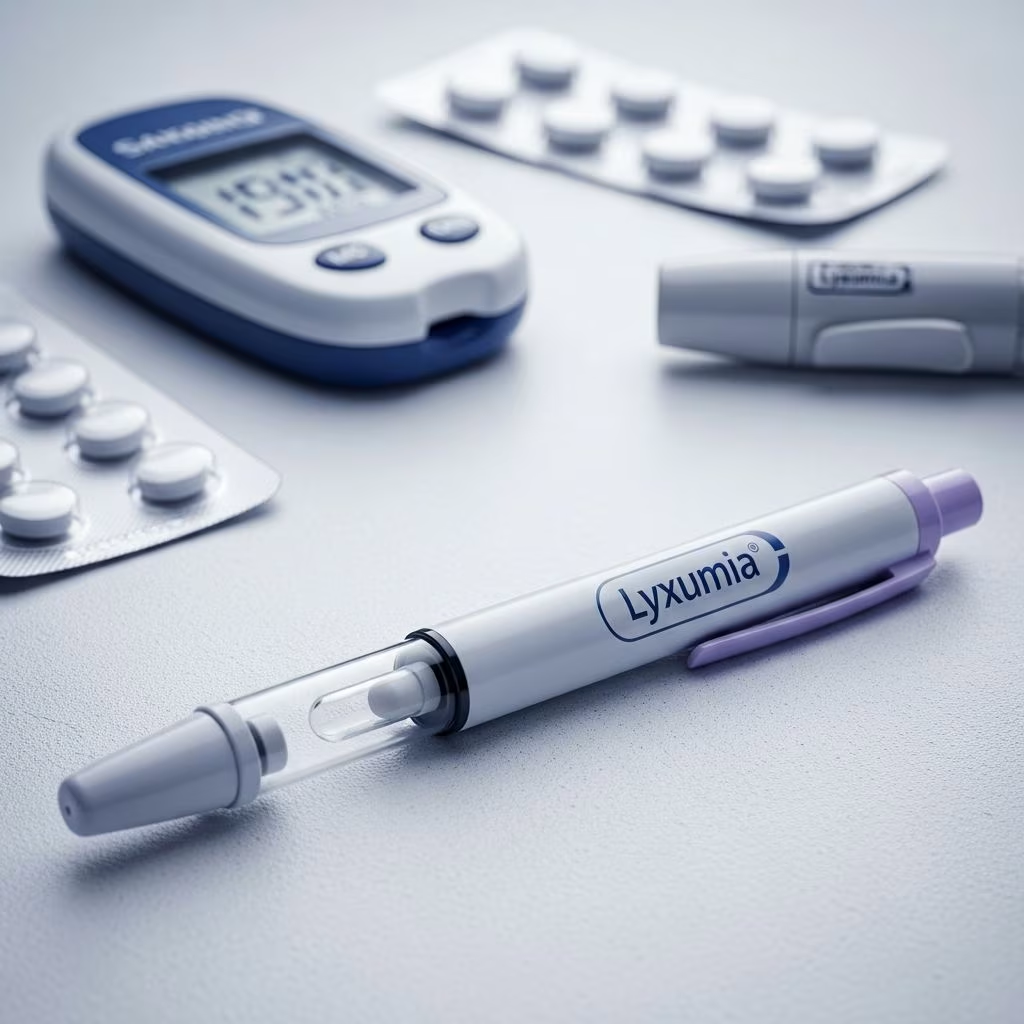
Lixisenatide is administered via subcutaneous injection using a pre-filled pen (e.g., Lyxumia pens in green for 10 mcg and purple for 20 mcg doses). Inject into the thigh, upper arm, or abdomen, rotating sites to avoid irritation. It is given once daily, within one hour before the first meal of the day (typically breakfast, but consistently the same meal daily for optimal effect).
- Starting dose: 10 micrograms (mcg) daily for the first 14 days to minimize gastrointestinal side effects.
- Maintenance dose: Increase to 20 mcg daily from day 15 onward, if tolerated.
- Initiation pack: Often provided as a starter pack with one pen each of 10 mcg (14 doses) and 20 mcg (14 doses).
Do not mix with other insulins in the same syringe. If using with insulin, inject separately. Missed doses: If before the meal, take as soon as possible; otherwise, skip and resume the next daydo not double dose. Storage: Refrigerate unused pens (2-8C); do not freeze. In-use pens at room temperature (<30C) for up to 28 days.
Monitor blood glucose regularly, especially when initiating or adjusting doses, to assess response and detect hypoglycemia. Target HbA1c is typically <7% (individualized). Consult your healthcare provider for dose adjustments based on response, tolerability, or renal function.
Dosage
The recommended adult dose is 20 mcg once daily after a 14-day titration from 10 mcg.
| Week | Dose | Notes |
|---|---|---|
| 1-2 | 10 mcg subcutaneous, before first meal | Initiation phase; green pen |
| 3+ | 20 mcg subcutaneous, before first meal | Maintenance; purple pen |
No dose adjustment needed for mild-moderate renal impairment (eGFR )