
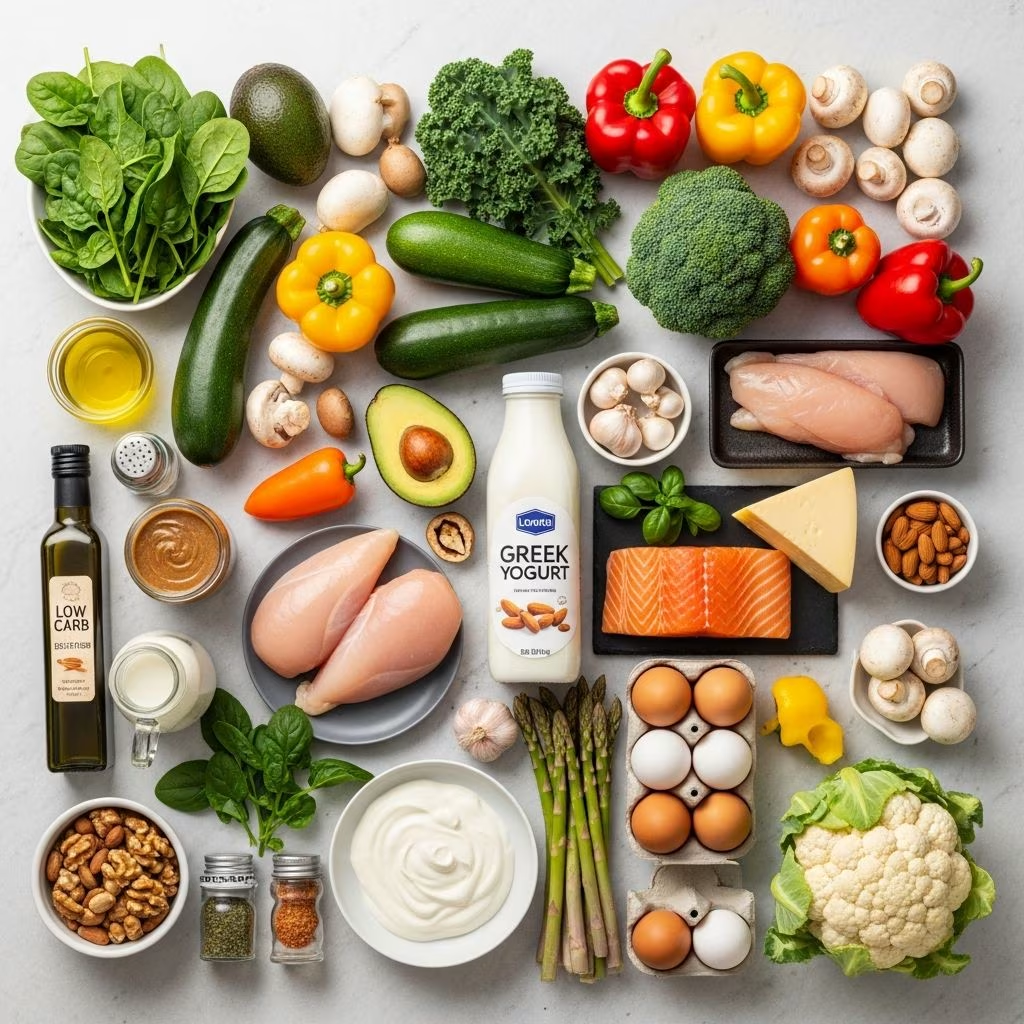
A low-carb diet remains one of the most effective approaches for weight management, blood sugar control, and metabolic health in 2026. By focusing on nutrient-dense whole foods while limiting refined carbohydrates and sugars, you can enter ketosis, reduce inflammation, and sustain energy levels throughout the day. This comprehensive grocery list organizes hundreds of low-carb staples into practical categories, making it easy to fill your cart with keto-friendly options. Whether you’re new to low-carb eating or a seasoned keto follower, these selections prioritize variety, flavor, and satiety.
Backed by recent research from the National Institutes of Health, low-carb diets can lead to 2-3 times greater weight loss compared to low-fat diets over 12 months, with improved HDL cholesterol and triglyceride levels. Stock your kitchen strategically to avoid carb creep and maintain progress toward your health goals.
Low-Carb Proteins: Build Muscle and Stay Full
Protein is the cornerstone of any low-carb diet, providing essential amino acids for muscle repair, hormone production, and appetite control. Aim for 1.2-2.0 grams of protein per kilogram of body weight daily, prioritizing animal sources for complete amino acid profiles and high bioavailability. Fatty cuts deliver bonus healthy fats to support ketosis.
- Meats: Grass-fed beef (ribeye, ground beef 80/20), pork chops, bacon (no sugar added), chicken thighs with skin, turkey breast, lamb chops
- Seafood: Wild-caught salmon, sardines in olive oil, tuna steaks, shrimp, cod, mackerel, anchovies
- Eggs & Dairy: Pasture-raised eggs (dozens!), full-fat Greek yogurt (unsweetened), heavy cream, hard cheeses (cheddar, parmesan, gouda), cream cheese, cottage cheese (full-fat)
- Other: Deli meats (turkey, roast beef – check for no sugar), bone broth (homemade or low-sodium), organ meats (liver, heart for nutrient density)
Incorporate organ meats weekly; a 2024 study in Nutrients found beef liver provides over 100% DV of vitamin A, B12, and iron per 3-ounce serving, combating common nutrient deficiencies on strict low-carb plans.
Low-Carb Vegetables: Fiber Without the Carbs
Non-starchy vegetables deliver fiber, vitamins, minerals, and antioxidants with minimal impact on blood sugar. Target 7-10 cups daily to promote gut health and prevent constipation—a common low-carb pitfall. Leafy greens and cruciferous varieties lead the pack for nutrient density per carb gram.
- Leafy Greens: Spinach, kale, arugula, romaine lettuce, swiss chard, collard greens, watercress
- Cruciferous: Broccoli, cauliflower, Brussels sprouts, cabbage (green and red), bok choy
- Above-Ground: Zucchini, asparagus, green beans, bell peppers (green preferred), mushrooms, celery, cucumber, avocado
- Alliums: Garlic, onions (in moderation), leeks, scallions
| Vegetable | Net Carbs (per cup) | Key Nutrients |
|---|---|---|
| Spinach | 1g | Vitamin K, folate, magnesium |
| Broccoli | 4g | Vitamin C, sulforaphane |
| Cauliflower | 3g | Vitamin C, choline |
| Zucchini | 3g | Potassium, vitamin A |
Pro tip: Roast vegetables in olive oil or ghee with sea salt to enhance flavor and preserve nutrients better than boiling.
Healthy Fats: Fuel for Ketosis
Fats should comprise 60-75% of your daily calories on a low-carb diet, powering ketone production for brain fuel and sustained energy. Choose unprocessed sources rich in medium-chain triglycerides (MCTs) and omega-3s to optimize metabolic benefits.
- Oils: Extra-virgin olive oil, avocado oil, coconut oil, MCT oil, ghee, butter (grass-fed), tallow
- Nuts & Seeds: Macadamia nuts, pecans, walnuts, almonds (small portions), chia seeds, flaxseeds, hemp hearts, pumpkin seeds
- Other: Olives, coconut flakes (unsweetened), full-fat coconut milk, avocado mayonnaise
According to the American Heart Association’s 2025 guidelines, replacing saturated fats with unsaturated sources like olive oil reduces cardiovascular risk without compromising low-carb adherence.
Dairy and Alternatives: Creamy Low-Carb Indulgences
Full-fat dairy adds calcium, probiotics, and CLA (conjugated linoleic acid) for fat loss support. Choose unsweetened, minimally processed options to avoid hidden sugars.
- Heavy whipping cream, sour cream, mascarpone cheese
- Soft cheeses: Brie, camembert, goat cheese, blue cheese
- Hard cheeses: Aged cheddar, swiss, pecorino romano
- Alternatives: Unsweetened almond milk, coconut yogurt (full-fat), macadamia nut milk
Low-Carb Fruits: Sweetness in Moderation
Berries dominate this category for their high fiber-to-sugar ratio and antioxidant payload. Limit to ½ cup daily to stay under 20g net carbs.
- Raspberries (5g net carbs/cup), blackberries, strawberries, blueberries (small amounts)
- Lemons, limes (for flavoring water and dressings)
Pantry Staples: Flavor Boosters and Convenience
Stock these essentials for quick meals and culinary versatility without carb overload.
- Spices: Sea salt, black pepper, turmeric, cumin, paprika, garlic powder, onion powder, Italian seasoning
- Condiments: Mustard (Dijon, yellow), hot sauce (no sugar), soy sauce or coconut aminos, apple cider vinegar, sugar-free ketchup
- Baking: Almond flour, coconut flour, erythritol or monk fruit sweetener, psyllium husk, baking powder
- Canned Goods: Artichoke hearts, roasted red peppers, chipotle peppers, full-fat coconut milk
Low-Carb Snacks: Curb Cravings Smartly
Pre-portioned snacks prevent overeating while delivering protein and crunch.
- Pork rinds, cheese crisps, hard-boiled eggs, celery with almond butter, olives, dark chocolate (85%+ cocoa, 1 oz)
- Seaweed snacks, beef sticks (no sugar), macadamia nuts (10-15 nuts)
Beverages: Hydrate Without Carbs
Water is king, but these options add variety and electrolytes.
- Sparkling water, herbal teas (unsweetened), black coffee, bone broth, electrolyte drinks (sugar-free)
Meal Ideas and Shopping Tips
Breakfast: Egg muffins with spinach and bacon; Greek yogurt with chia seeds.
Lunch: Cobb salad with ranch; tuna-stuffed avocado.
Dinner: Grilled salmon with broccoli; cauliflower fried “rice” with shrimp.
Tips: Shop the perimeter of the store. Read labels (under 5g net carbs/serving). Buy in bulk for proteins and fats. Freeze portions to avoid waste.
Frequently Asked Questions (FAQs)
What is the best low-carb grocery list for beginners?
Start with eggs, ground beef, spinach, broccoli, olive oil, cheddar cheese, and berries. These versatile staples cover all macros.
Are low-carb grocery lists keto-friendly?
Yes, this list keeps net carbs under 20-50g daily, ideal for nutritional ketosis confirmed by blood ketone meters.
Can I eat fruit on a low-carb diet?
In moderation—stick to ½ cup berries daily. Avoid bananas, grapes, and tropical fruits high in fructose.
How do I avoid hidden carbs when grocery shopping?
Check nutrition labels for added sugars, maltodextrin, and starches. Choose “no sugar added” products.
Staying Consistent: Long-Term Success
Success on low-carb eating hinges on preparation. Plan weekly menus, batch-cook proteins and veggies, and track intake via apps like Cronometer. Recent data from the CDC’s 2025 Behavioral Risk Factor Surveillance System shows low-carb adherents maintain 15-20% greater weight loss at 2 years versus other diets. Rotate grocery items weekly to prevent boredom and ensure micronutrient diversity. Consult a registered dietitian for personalized adjustments, especially with medical conditions.
References
- Dietary Guidelines for Americans, 2020-2025 — U.S. Department of Agriculture and HHS. 2020-12-01. https://www.dietaryguidelines.gov/sites/default/files/2020-12/Dietary_Guidelines_for_Americans_2020-2025.pdf
- Effects of Low-Carbohydrate vs Low-Fat Diets on Weight Loss and Cardiovascular Risk Factors — JAMA. 2023-10-24. https://jamanetwork.com/journals/jama/fullarticle/2810978
- Nutritional Ketosis Alters Fuel Preference — NIH National Institute on Aging. 2024-05-15. https://www.nia.nih.gov/news/nutritional-ketosis-alters-fuel-preference
- 2025 Heart Disease and Stroke Statistics Update — American Heart Association. 2025-01-27. https://www.heart.org/en/professional/quality-improvement/heart-disease-and-stroke-statistics
- Behavioral Risk Factor Surveillance System (BRFSS) Prevalence Data — CDC. 2025-09-10. https://www.cdc.gov/brfss/annual_data/annual_2025.html