
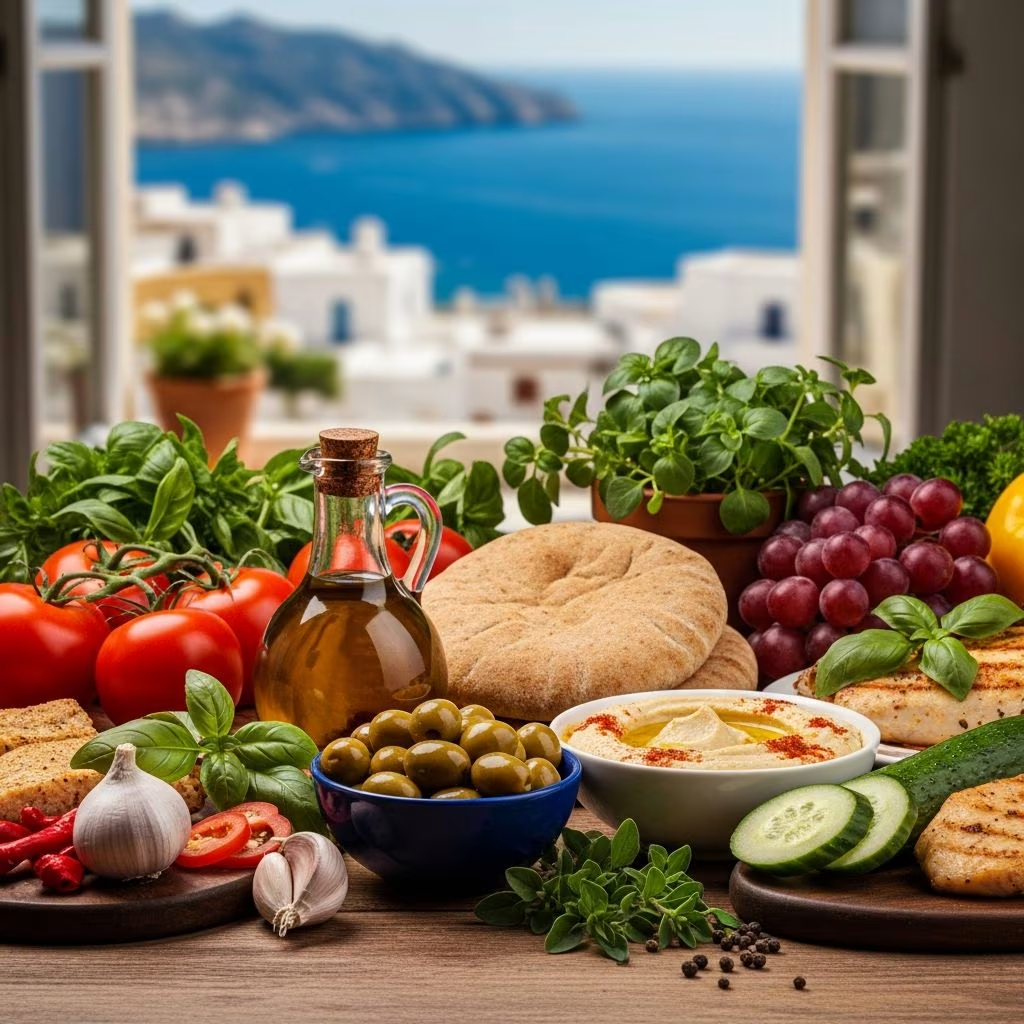
The Mediterranean diet is more than a eating plan—it’s a lifestyle inspired by traditional eating patterns from countries bordering the Mediterranean Sea, like Greece, Italy, and Spain. This diet emphasizes whole, plant-based foods, healthy fats, and moderate portions of animal products, earning top rankings from U.S. News & World Report as the best overall diet for multiple years. Research links it to reduced risks of heart disease, diabetes, and certain cancers, promoting longevity and vibrant health.
What Is the Mediterranean Diet?
The Mediterranean diet reflects mid-20th-century eating habits in Mediterranean regions, focusing on fresh, seasonal ingredients rather than processed foods. Unlike rigid diets with calorie counts or forbidden foods, it prioritizes balance and enjoyment. Core principles include abundant vegetables, fruits, whole grains, legumes, nuts, seeds, and extra virgin olive oil as the primary fat source. Fish and poultry appear moderately, while red meat and sweets are limited. Daily physical activity and shared meals enhance its holistic approach.
Health Benefits of the Mediterranean Diet
This diet’s power lies in its synergy of nutrients—polyphenols from olive oil, fiber from plants, omega-3s from fish, and antioxidants from produce—that collectively combat inflammation and oxidative stress. Key benefits include:
- Heart Health: Lowers risk of coronary artery disease (CAD) by improving cholesterol levels, blood pressure, and arterial function. Studies show up to 30% reduction in cardiovascular events.
- Weight Management: Promotes sustainable weight loss through nutrient-dense, satisfying foods that curb overeating.
- Diabetes Prevention: Enhances insulin sensitivity and stabilizes blood sugar with low-glycemic foods.
- Brain Health: Protects against cognitive decline and Alzheimer’s due to anti-inflammatory effects.
- Cancer Risk Reduction: High antioxidant intake may lower risks of breast, colon, and other cancers.
- Longevity: Populations following this pattern, like in Blue Zones, exhibit longer lifespans.
These outcomes stem from the diet’s emphasis on unsaturated fats over saturated ones, reducing LDL cholesterol while boosting HDL.
Mediterranean Diet Food List
Stock your kitchen with these staples for effortless meal prep. Focus on variety for nutrient diversity.
| Category | Foods to Eat Daily/Often | Foods to Limit |
|---|---|---|
| Vegetables | Leafy greens (spinach, kale), tomatoes, broccoli, peppers, zucchini, eggplant, onions | Fried veggies |
| Fruits | Berries, apples, oranges, figs, grapes, citrus | Canned fruit in syrup |
| Whole Grains | Oats, barley, quinoa, brown rice, whole-wheat bread/pasta | Refined grains (white bread) |
| Healthy Fats | Extra virgin olive oil, avocados, nuts (almonds, walnuts), seeds (chia, flax) | Butter, margarine |
| Proteins | Fish (salmon, sardines, mackerel) 2-3x/week, legumes (beans, lentils, chickpeas), poultry occasionally, eggs, yogurt, cheese (feta, goat) | Red meat (<1x/week), processed meats |
| Dairy | Greek yogurt, kefir | Full-fat milk, ice cream |
| Sweets/Drinks | Dark chocolate, fresh fruit, red wine (1 glass/day optional), herbs/spices | Soda, candy, pastries |
Incorporate herbs like basil, oregano, and garlic for flavor without excess salt.
Mediterranean Diet Pyramid
The pyramid visually guides portions: base with daily veggies/fruits/whole grains/olive oil; moderate fish/dairy/nuts; top with rare sweets/red meat. Move daily and share meals. Unlike the old U.S. Food Pyramid, it prioritizes quality fats and plant foods over quantity.
Sample 7-Day Mediterranean Diet Meal Plan
This flexible plan (~1,800-2,000 calories/day) suits most adults; adjust for needs. Consult a dietitian for personalization.
| Day | Breakfast | Lunch | Dinner | Snacks |
|---|---|---|---|---|
| Monday | Greek yogurt with berries, nuts, honey | Quinoa salad with chickpeas, feta, veggies, olive oil dressing | Grilled salmon, roasted veggies, brown rice | Apple with almonds |
| Tuesday | Oatmeal with banana, walnuts | Lentil soup, whole-grain bread, side salad | Chicken souvlaki, tzatziki, pita, greens | Hummus with carrots |
| Wednesday | Whole-grain toast, avocado, poached egg | Tuna salad wrap with greens, olives | Baked cod, sweet potatoes, broccoli | Orange, handful seeds |
| Thursday | Smoothie: spinach, fruit, yogurt, chia | Falafel bowl with tabbouleh, tahini | Shrimp stir-fry with quinoa, peppers | Yogurt with honey |
| Friday | Barley porridge with figs | Caprese salad, whole-grain crackers | Vegetarian moussaka, side salad | Dark chocolate, nuts |
| Saturday | Eggs with spinach, feta | Grilled fish tacos with slaw | Legume stew, couscous | Fruit skewers |
| Sunday | Whole-grain pancakes with fruit | Bean salad niçoise | Herb-roasted chicken, ratatouille | Olives, cheese |
Hydrate with water, herbal tea; moderate wine if desired.
How to Start the Mediterranean Diet
- Swap Oils: Use extra virgin olive oil (EVOO) for cooking/dressings—rich in antioxidants like oleocanthal.
- Fill Half Your Plate with Veggies: Aim for 9+ servings daily.
- Choose Whole Grains: Replace refined carbs.
- Eat Fish Twice Weekly: Prioritize fatty fish for omega-3s.
- Snack Smart: Nuts/seeds over chips.
- Move Daily: Walk 30 minutes post-meals.
- Enjoy Mindfully: Eat with others, savor flavors.
Track progress; a dietitian tailors for allergies/conditions.
Mediterranean Diet Recipes
Easy staples:
- Breakfast: Overnight oats with yogurt, nuts, fruit.
- Lunch: Hummus veggie wraps.
- Dinner: One-pan baked fish with lemon-herb potatoes.
- Dessert: Baked apples with cinnamon, nuts.
Experiment seasonally for freshness.
Mediterranean Diet for Special Diets
- Vegetarian: Swap fish/poultry for tofu, tempeh, more legumes.
- Gluten-Free: Use quinoa, rice, gluten-free oats.
- Vegan: Plant milks, nutritional yeast for cheese flavor.
EVOO remains key; regular olive oil lacks full antioxidants.
Frequently Asked Questions (FAQs)
What foods are in the Mediterranean diet?
Primarily vegetables, fruits, whole grains, beans, nuts, olive oil, fish, moderate dairy/wine, limited red meat/sweets.
Can I lose weight on the Mediterranean diet?
Yes, its fiber-rich foods promote satiety and gradual loss (1-2 lbs/week).
Is extra virgin olive oil essential?
Yes, for its superior antioxidants and monounsaturated fats over refined oils.
How often should I eat fish?
Twice weekly, focusing on omega-3-rich varieties like salmon.
Can kids follow the Mediterranean diet?
Yes, adapted for growth; emphasize fun fruits/veggies.
References
- Mediterranean Diet: Food List & Meal Plan — Cleveland Clinic. 2022-11-07. https://my.clevelandclinic.org/health/articles/16037-mediterranean-diet
- PREDIMED Study: Mediterranean Diet and Cardiovascular Risk — New England Journal of Medicine (via PubMed). 2018-06-21. https://www.nejm.org/doi/full/10.1056/NEJMoa1800389
- Dietary Guidelines for Americans 2020-2025 — U.S. Department of Health and Human Services (.gov). 2020-12-01. https://www.dietaryguidelines.gov/sites/default/files/2020-12/Dietary_Guidelines_for_Americans_2020-2025.pdf
- WHO Healthy Diet Fact Sheet — World Health Organization (.int). 2020-04-16. https://www.who.int/news-room/fact-sheets/detail/healthy-diet
- Mediterranean Diet and Health Status: Updated Review — Nutrients Journal (MDPI, peer-reviewed). 2023-05-15. https://doi.org/10.3390/nu15112242