
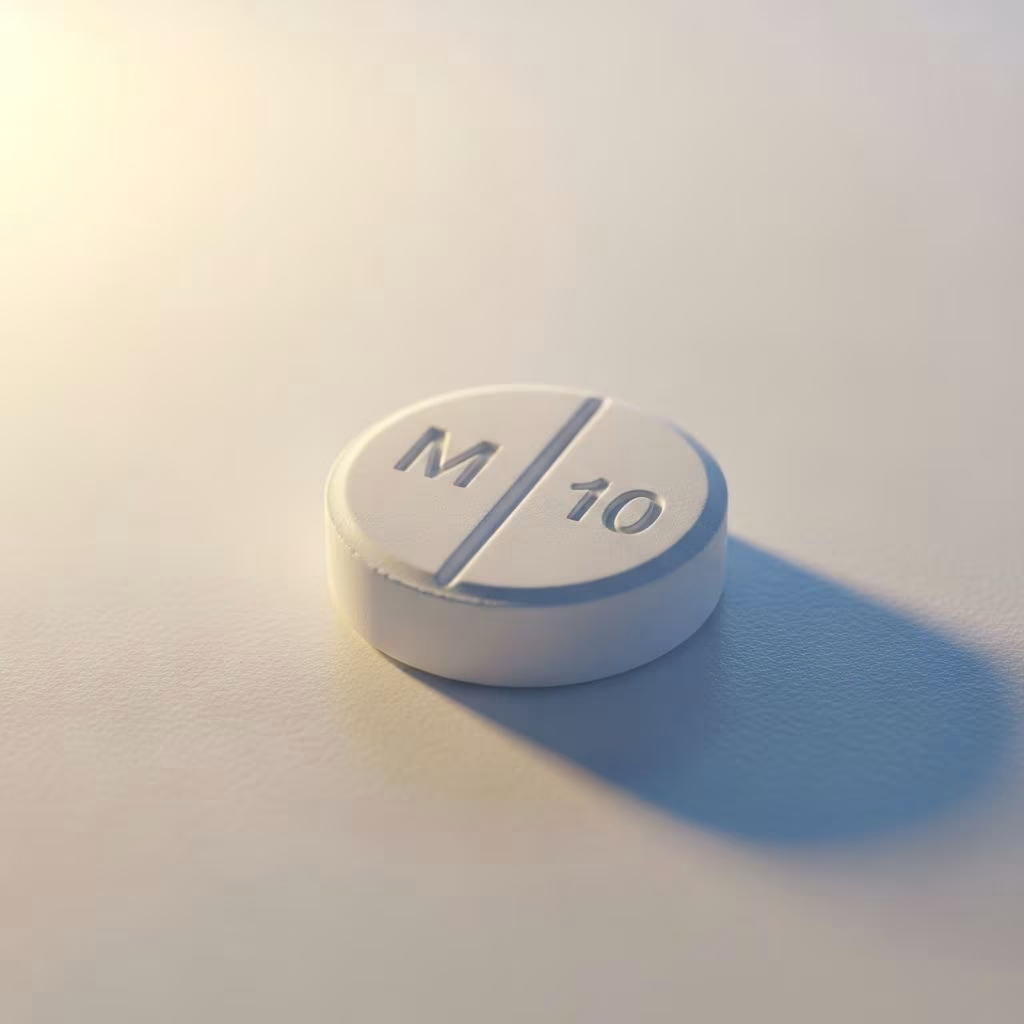
Medroxyprogesterone tablets serve as a synthetic form of progesterone, a vital hormone that influences the female reproductive system. This medication plays a crucial role in managing various hormonal imbalances by mimicking the body’s natural progesterone to stabilize menstrual cycles and protect uterine health.
What Is Medroxyprogesterone and How Does It Work?
Medroxyprogesterone is classified as a progestin, structurally akin to the hormone progesterone produced by the ovaries. It binds to progesterone receptors in key areas like the hypothalamus, pituitary gland, and reproductive tract, suppressing gonadotropin-releasing hormone (GnRH). This action reduces the midcycle luteinizing hormone (LH) surge, preventing ovulation and follicular development, which helps regulate irregular bleeding and cycles.
In postmenopausal women on estrogen therapy, it counteracts estrogen’s thickening effect on the uterine lining, reducing endometrial hyperplasia and cancer risk. For those with amenorrhea or endometriosis, it promotes normal cycling and alleviates pain by acting on endometrial tissues.
Primary Medical Applications
Healthcare providers prescribe medroxyprogesterone for several conditions rooted in hormonal disruptions:
- Abnormal Uterine Bleeding and Amenorrhea: It induces regular periods in premenopausal women by restoring hormonal balance.
- Hormone Replacement Therapy (HRT) Support: Combined with estrogen post-menopause, it safeguards the uterus from overgrowth.
- Endometriosis Relief: Suppresses endometrial lesion growth, easing associated pain.
- Other Uses: May benefit women with sickle-cell disease by reducing pain crises or those with seizure disorders by lowering seizure frequency. It’s also explored for respiratory conditions like sleep apnea due to its effects on breathing regulation.
Unlike injectable forms used for contraception, oral tablets focus on cycle regulation rather than preventing pregnancy.
Standard Dosage Guidelines
Dosage varies by condition. For secondary amenorrhea, a typical regimen is 5-10 mg daily for 5-10 days, often starting on cycle day 16, to trigger withdrawal bleeding. In HRT, 10 mg daily for 10-14 days monthly balances estrogen effects.
| Condition | Typical Dose | Duration/Frequency |
|---|---|---|
| Irregular Bleeding/Amenorrhea | 5-10 mg | 5-10 days, repeated cyclically |
| HRT Uterine Protection | 10 mg | 10-14 days per month |
| Endometriosis | 10 mg | Continuous or cyclic as prescribed |
Always follow provider instructions; adjustments depend on response and health status.
Recognizing and Managing Common Side Effects
Many users experience mild effects that often resolve over time. These include:
- Headaches: Rest, hydrate, and use over-the-counter pain relief; consult if persistent.
- Nausea: Take with food, avoid spicy meals.
- Irregular spotting or bleeding: Common in cyclic use; monitor and report prolonged issues.
- Dizziness or fatigue: Avoid driving; rest adequately.
- Breast tenderness or mood shifts: Typically transient.
Less frequent issues like hair thinning, vaginal discharge changes, or weight gain warrant discussion if concerning. Discharge alterations are usually benign unless accompanied by odor or color changes signaling infection.
Serious Risks and Warning Signs
While effective, long-term use, especially with estrogen, carries risks. It may elevate cholesterol, potentially causing pancreatitis (watch for abdominal pain, jaundice). Fluid retention can exacerbate heart or kidney issues, leading to swelling.
Postmenopausal bleeding requires immediate evaluation for endometrial cancer, even with progestin protection. Bone density loss is a concern with prolonged use for contraception or endometriosis, though less emphasized for short-term tablets.
Seek emergency care for:
- Severe allergic reactions: Swelling, breathing difficulty, rash.
- Signs of blood clots: Chest pain, leg swelling, shortness of breath.
- Vision changes or migraines: Possible stroke risk.
Males using it palliatively may note libido changes or testosterone reduction.
Precautions and Contraindications
Not suitable for everyone. Avoid if history of breast cancer, undiagnosed vaginal bleeding, liver disease, or thrombosis. Use caution in diabetes, high cholesterol, or smoking. Inform providers of all medications to prevent interactions, like with anticoagulants.
Pregnant individuals should not use it; it crosses the placenta. Breastfeeding requires monitoring as it may affect milk production.
Lifestyle Tips for Optimal Use
To minimize discomfort:
- Track cycles and symptoms in a journal.
- Maintain a balanced diet low in salt to reduce swelling.
- Engage in regular exercise to support bone health and mood.
- Attend follow-up appointments for monitoring.
Stopping suddenly may cause withdrawal bleeding; taper under guidance.
Patient Experiences and Long-Term Considerations
Users often report improved cycle predictability and reduced pain, though initial spotting frustrates some. Long-term HRT users benefit from cancer risk reduction but must weigh cardiovascular impacts. Regular mammograms and pelvic exams are advised.
Frequently Asked Questions (FAQs)
Does medroxyprogesterone stop periods entirely?
No, tablets typically regulate rather than halt periods; lighter flow is possible. Injectable forms like Depo-Provera are more likely to cause amenorrhea.
Can it be used for contraception?
Oral tablets are not reliable for birth control; injections are designed for that purpose.
How soon do side effects start?
Common ones like headaches or nausea may appear within days; bleeding often after a week.
Is weight gain inevitable?
Some experience fluid-related gain; diet and activity help manage it.
What if I miss a dose?
Take as soon as remembered unless near next dose; double-dosing is unsafe. Consult provider.
Does it affect fertility long-term?
Short-term use does not; fertility returns promptly after stopping for cycle regulation.
Monitoring Health While on Treatment
Blood tests for lipids, glucose, and hormone levels guide safe use. Bone scans may be recommended for extended therapy. Report new symptoms promptly to adjust or discontinue.
References
- Medroxyprogesterone (Provera): Uses, Side Effects, Dosage — GoodRx. 2023. https://www.goodrx.com/medroxyprogesterone/what-is
- Medroxyprogesterone – StatPearls — NCBI Bookshelf, NIH. 2023-10-01. https://www.ncbi.nlm.nih.gov/books/NBK559192/
- Side effects of medroxyprogesterone tablets — NHS. 2024. https://www.nhs.uk/medicines/medroxyprogesterone-tablets/side-effects-of-medroxyprogesterone-tablets/
- Medroxyprogesterone Tablets — Cleveland Clinic. 2023. https://my.clevelandclinic.org/health/drugs/18932-medroxyprogesterone-tablets
- Medroxyprogesterone Acetate Tablets Prescribing Information — Pfizer. 2023. https://labeling.pfizer.com/ShowLabeling.aspx?id=909&Section=PPI
- Medroxyprogesterone — Memorial Sloan Kettering Cancer Center. 2023. https://www.mskcc.org/cancer-care/patient-education/medications/adult/medroxyprogesterone