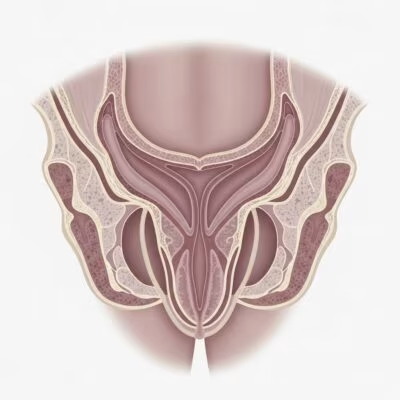

Menopause marks the end of menstrual cycles, typically occurring between ages 45 and 55, and brings symptoms like hot flashes, night sweats, vaginal dryness, mood changes, and sleep disturbances. Effective treatments range from hormone therapy to nonhormonal options and lifestyle adjustments, tailored to individual needs, age, and health risks.
What Is Menopause?
Menopause is diagnosed after 12 consecutive months without a menstrual period, signaling the ovaries’ decline in estrogen production. The transition, called perimenopause, can last years and involves fluctuating hormones leading to vasomotor symptoms (VMS) such as hot flashes and night sweats, which affect up to 80% of women and persist for an average of 7.4 years. Other issues include genitourinary syndrome of menopause (GSM), causing vaginal dryness, discomfort during sex, and urinary problems, alongside bone loss, mood swings, and sleep issues.
Symptoms of Menopause
- Hot flashes and night sweats: Sudden heat sensations, sweating, and chills disrupting daily life and sleep.
- Vaginal and urinary symptoms: Dryness, itching, pain with intercourse, frequent urination, and infections.
- Sleep disturbances: Insomnia linked to night sweats and hormonal shifts.
- Mood changes: Anxiety, depression, irritability due to estrogen decline.
- Bone and heart health risks: Increased osteoporosis and cardiovascular risks post-menopause.
Hormone Therapy (HT) for Menopause
Menopause hormone therapy (MHT), formerly hormone replacement therapy (HRT), replenishes declining estrogen (and often progestogen) to alleviate symptoms. It is the most effective treatment for VMS, reducing frequency by 75% and intensity by 87%. Systemic therapy treats whole-body symptoms, while local therapy targets vaginal issues.
Types of Hormone Therapy
| Type | Description | Best For | Forms |
|---|---|---|---|
| Systemic Estrogen Therapy | Higher-dose estrogen absorbed body-wide | Hot flashes, night sweats, bone loss | Pills, patches, gels, sprays, rings |
| Estrogen-Progestogen Therapy (EPT) | Combined for women with a uterus to prevent endometrial cancer | Same as systemic, with cycle regulation | Sequential (monthly bleed) or continuous |
| Low-Dose Vaginal Estrogen | Minimal systemic absorption | GSM symptoms only | Creams, tablets, rings |
| Tibolone | Synthetic steroid mimicking estrogen, progesterone, testosterone | VMS, mood, libido, bone protection | Oral tablet |
Therapy choice depends on menopausal stage: gestagen substitution or low-dose contraception in early transition; continuous EPT post-52 years. Start low-dose, individualize based on symptoms and risks.
Benefits of Hormone Therapy
- Relief from moderate-to-severe hot flashes and night sweats.
- Improved vaginal lubrication and sexual comfort.
- Bone protection against osteoporosis.
- Potential cardiovascular and cognitive benefits if started early (before age 60 or within 10 years of menopause).
- Enhanced mood, sleep, and quality of life.
For early or premature menopause (before 45), HT mitigates long-term risks like heart disease and dementia.
Risks of Hormone Therapy
While benefits often outweigh risks for eligible women, HT carries concerns: increased breast cancer risk with combined EPT (especially long-term), blood clots, stroke, gallbladder disease. Estrogen-only therapy has lower risks for women post-hysterectomy. Risks rise after age 60 or >10 years post-menopause. Recent analyses emphasize limited benefits beyond VMS and vaginal dryness, with harms like stroke and embolism in some groups.
Who Should Consider Hormone Therapy?
Ideal candidates: women under 60 or within 10 years of menopause with bothersome symptoms, no contraindications (e.g., breast cancer history, clotting disorders). Benefits for early menopause or severe GSM. Regular monitoring, lowest effective dose, and shortest duration recommended.
Who Should Avoid Hormone Therapy?
- History of breast/ovarian/endometrial cancer.
- Undiagnosed vaginal bleeding.
- Active blood clots, stroke, or liver disease.
- Age 60+ without prior therapy.
Nonhormonal Treatments for Menopause
For those unable to use HT, alternatives exist, though less effective for VMS.
- Antidepressants: SSRIs/SNRIs like paroxetine, venlafaxine reduce hot flashes by 50-60%.
- Gabapentin or pregabalin: For VMS and sleep.
- Fezolinetant (Veozah): Nonhormonal neurokinin 3 receptor antagonist FDA-approved for moderate-severe VMS.
- Ospemifene (Osphena): For painful intercourse.
- Phytoestrogens, black cohosh: Herbal options with modest VMS relief.
- Vaginal moisturizers/lubricants: Over-the-counter for GSM.
Lifestyle Changes to Manage Menopause Symptoms
Complement treatments with habits to enhance efficacy and reduce risks.
- Exercise: 150 minutes weekly aerobic plus strength training for mood, bone health, weight control.
- Diet: Phytoestrogen-rich foods (soy), calcium/vitamin D for bones, limit caffeine/alcohol/spicy foods to curb flashes.
- Weight management: Loss reduces hot flash severity.
- Mind-body practices: Yoga, mindfulness, CBT, hypnosis for VMS and mood.
- Sleep hygiene: Cool bedroom, consistent schedule.
Treatment Table: Comparing Options
| Treatment | Efficacy for VMS | Efficacy for GSM | Risks | Duration |
|---|---|---|---|---|
| Systemic HT | High (75-87% reduction) | High | Breast cancer, clots (dose/time-dependent) | Shortest needed |
| Vaginal Estrogen | Low | High | Minimal | As needed |
| SSRIs/SNRIs | Moderate | Low | NAusea, sexual side effects | Short-term |
| Lifestyle | Moderate | Moderate | None | Ongoing |
| Fezolinetant | High | Low | Liver monitoring | Up to 2 years |
Starting and Stopping Hormone Therapy
Initiate early for best benefit-risk profile; taper gradually to minimize rebound symptoms. Annual reviews assess ongoing need. Post-therapy, lifestyle sustains gains.
Frequently Asked Questions (FAQs)
What is the best treatment for hot flashes?
Systemic hormone therapy offers the highest efficacy, reducing flashes by up to 87%; nonhormonal options like fezolinetant or SSRIs are alternatives.
Is hormone therapy safe long-term?
Not routinely recommended for chronic prevention due to risks outweighing benefits beyond symptom relief; use lowest dose shortest time.
Can I use vaginal estrogen if I have breast cancer history?
Often safer due to low absorption; consult your doctor.
How soon after menopause should I start HT?
Before age 60 or within 10 years maximizes benefits.
Are natural remedies effective?
Phytoestrogens and black cohosh provide mild relief but are inferior to HT.
This guide empowers informed decisions. Consult a healthcare provider for personalized advice.
References
- Menopause hormone therapy: latest developments and clinical recommendations — PMC/NCBI. 2018-12-29. https://pmc.ncbi.nlm.nih.gov/articles/PMC6317580/
- Menopause hormone therapy: Is it right for you? — Mayo Clinic. 2023 (updated). https://www.mayoclinic.org/diseases-conditions/menopause/in-depth/hormone-therapy/art-20046372
- Menopausal Hormone Therapy: Limited Benefits, Significant Harms — American Academy of Family Physicians (AAFP). 2025-07-00. https://www.aafp.org/pubs/afp/issues/2025/0700/editorials-menopausal-hormone-therapy.html
- Updated Labeling for Menopausal Hormone Therapy — JAMA Network. 2024. https://jamanetwork.com/journals/jama/fullarticle/2841321
- HHS Advances Women’s Health, Removes Misleading FDA Warnings on Hormone Replacement Therapy — U.S. Department of Health and Human Services (HHS). 2024. https://www.hhs.gov/press-room/hhs-advances-womens-health-removes-misleading-fda-warnings-hormone-replacement-therapy.html