MIND Diet Recipes for Beginners: Easy Brain-Healthy Meals
The MIND diet combines elements of the Mediterranean and DASH diets to improve brain health and reduce the risk of dementia. If you’re new to brain-healthy eating, this guide will help you understand the fundamentals and provide practical recipes to get you started on a delicious, cognitive-supporting journey.
What Is the MIND Diet?
MIND stands for Mediterranean-DASH Intervention for Neurodegenerative Delay. This dietary approach was developed specifically to identify foods and nutrients—along with recommended daily serving sizes—related to protection against dementia and cognitive decline. Rather than focusing on weight loss, the MIND diet prioritizes brain health by emphasizing plant-based foods and limiting animal products and high saturated fat foods.
The diet recommends 10 specific “brain-healthy” food groups to include and five unhealthy food items to limit. The beauty of the MIND diet is that it doesn’t require rigid meal plans or eliminate entire food categories, making it an accessible option for beginners.
Brain-Healthy Foods to Include Daily and Weekly
The MIND diet focuses on nutrient-dense foods that support cognitive function. Here are the recommended food groups with target servings:
| Food Group | Target Serving Size | Examples |
|---|---|---|
| Green, Leafy Vegetables | 6+ servings per week | Kale, spinach, cooked greens, salads |
| Other Vegetables | 1+ servings per day | Bell peppers, cucumbers, broccoli, carrots |
| Whole Grains | 3+ servings daily | Oatmeal, quinoa, brown rice, whole wheat pasta |
| Berries | 2+ servings per week | Strawberries, blueberries, raspberries, blackberries |
| Nuts | 5+ servings per week | Almonds, walnuts, mixed nuts, almond butter |
| Legumes/Beans | 4+ meals per week | Black beans, lentils, chickpeas, pinto beans |
| Fish | 1+ meals per week | Salmon, trout, baked white fish |
| Poultry | 2+ meals per week | Chicken, turkey (baked or grilled, not fried) |
| Olive Oil | Use as primary cooking fat | Extra virgin olive oil for dressings and cooking |
| Wine (Optional) | Up to 1 glass daily for adults | Red wine in moderation |
These foods contain nutrients that promote good brain health, possibly by reducing oxidative stress and inflammation.
Foods to Limit on the MIND Diet
While the MIND diet doesn’t eliminate foods, it recommends limiting the following five items:
- Butter and Margarine: Less than 1 tablespoon (14 grams) daily. Use olive oil as your primary cooking fat instead.
- Cheese: Less than once per week to reduce saturated fat intake.
- Red Meat: No more than 3–4 servings per week. This includes beef, pork, lamb, and processed meats.
- Fried Foods: Less than 1 serving per week. Opt for baked, grilled, or steamed preparations.
- Sweets and Pastries: Less than 5 servings per week. Focus on whole food-based treats.
Research shows that even following the MIND diet to a moderate degree is associated with a reduced risk of Alzheimer’s disease and cognitive impairment, so don’t feel pressured to be perfect.
Simple MIND Diet Recipes for Beginners
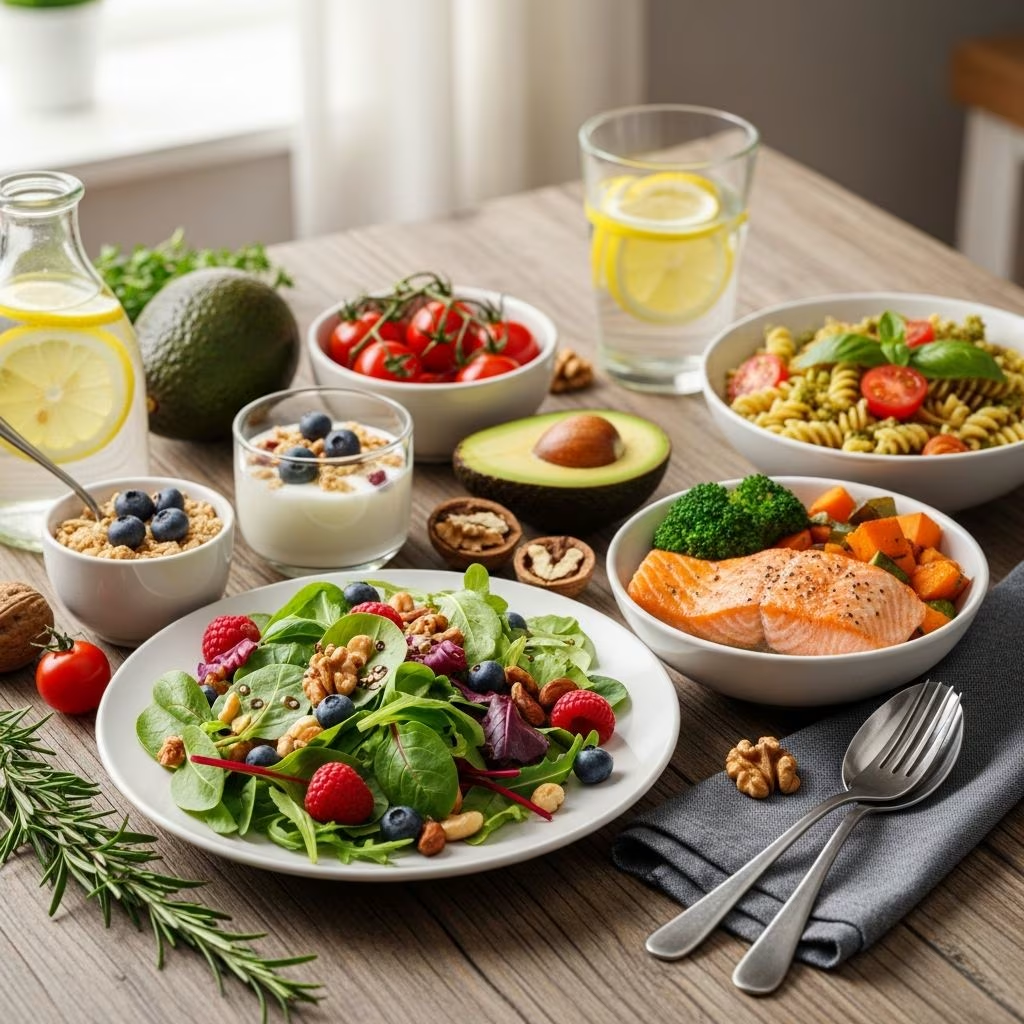
Breakfast: Berry and Nut Overnight Oats
Ingredients:
- ½ cup rolled oats
- ½ cup unsweetened almond milk
- ¼ cup plain Greek yogurt
- ½ cup mixed berries (fresh or frozen)
- 2 tablespoons sliced almonds
- 1 teaspoon honey
- Pinch of cinnamon
Instructions: Combine oats, almond milk, and yogurt in a mason jar. Stir well. Refrigerate overnight or for at least 4 hours. In the morning, top with berries, almonds, honey, and cinnamon. Eat cold or microwave for 1–2 minutes if preferred.
This recipe provides whole grains, berries, nuts, and protein—hitting multiple MIND diet goals in one breakfast bowl.
Lunch: Mediterranean Chickpea Salad
Ingredients:
- 2 cups mixed greens (spinach, kale, or lettuce)
- 1 can (15 oz) chickpeas, drained and rinsed
- 1 cup cherry tomatoes, halved
- ½ cup diced cucumber
- ¼ cup red onion, thinly sliced
- ¼ cup kalamata olives
- 3 tablespoons extra virgin olive oil
- 1 tablespoon lemon juice
- 1 clove garlic, minced
- Salt and pepper to taste
Instructions: Whisk together olive oil, lemon juice, and minced garlic. Toss the greens, chickpeas, tomatoes, cucumber, onion, and olives with the dressing. Season with salt and pepper.
This salad combines leafy greens, legumes, and a flavorful olive oil dressing—core MIND diet components.
Dinner: Baked Salmon with Roasted Vegetables
Ingredients:
- 4 oz salmon fillet
- 1 medium zucchini, sliced
- 1 medium bell pepper, diced
- 1 cup broccoli florets
- 2 tablespoons extra virgin olive oil
- 1 lemon, sliced
- Fresh herbs (dill or oregano)
- Salt and pepper to taste
Instructions: Preheat oven to 400°F. Toss vegetables with 1 tablespoon olive oil, salt, and pepper. Spread on a baking sheet. Place salmon on top, drizzle with remaining olive oil, add lemon slices and herbs. Bake for 12–15 minutes until salmon flakes easily with a fork.
This recipe delivers fish, colorful vegetables, and healthy fats—essential MIND diet components.
Snack: Simple Mixed Nuts
The MIND diet recommends 5+ servings of nuts weekly. A simple ¼ cup serving of unsalted mixed nuts provides healthy fats, protein, and minerals that support brain health. Store in an airtight container for easy grab-and-go snacking.
One-Week Beginner-Friendly Meal Plan
Here’s a sample week to help you get started with MIND diet eating:
| Day | Breakfast | Lunch | Dinner |
|---|---|---|---|
| Monday | Greek yogurt with raspberries and almonds | Mediterranean salad with grilled chicken, olive oil dressing | Burrito bowl with brown rice, black beans, grilled chicken, vegetables |
| Tuesday | Whole wheat toast with almond butter and eggs | Grilled chicken sandwich on whole wheat, blackberries, carrots | Baked salmon, brown rice, side salad with olive oil dressing |
| Wednesday | Steel-cut oatmeal with strawberries and hard-boiled eggs | Mexican-style salad with mixed greens, black beans, corn, chicken | Chicken and vegetable stir-fry with brown rice |
| Thursday | Greek yogurt with peanut butter and banana | Baked trout, collard greens, black-eyed peas | Whole wheat spaghetti with turkey meatballs and marinara sauce |
| Friday | Whole wheat toast with avocado and pepper omelet | Turkey chili | Greek-seasoned baked chicken, roasted potatoes, side salad |
| Saturday | Overnight oats with strawberries and almond butter | Fish tacos on whole wheat tortillas with brown rice and pinto beans | Chicken gyro on whole wheat pita with cucumber and tomato salad |
| Sunday | Vegetable frittata with spinach and mushrooms | Quinoa bowl with roasted vegetables and chickpeas | Baked white fish with steamed broccoli and sweet potato |
Tips for Getting Started with MIND Diet Recipes
- Start Small: You don’t need to overhaul your diet overnight. Begin by adding one or two MIND-friendly foods to your current meals.
- Keep it Simple: Focus on basic cooking methods like baking, grilling, steaming, and sautéing with olive oil.
- Prep Ahead: Wash and chop vegetables on weekends. Cook grains and proteins in batches for easy meal assembly.
- Stock Your Pantry: Keep olive oil, whole grains, canned beans, frozen berries, and nuts on hand.
- Read Labels: Choose whole grain products with at least 3 grams of fiber per serving.
- Embrace Flexibility: The MIND diet doesn’t require perfection. Moderate adherence still provides cognitive benefits.
- Experiment with Herbs: Fresh and dried herbs add flavor without sodium, butter, or unhealthy fats.
Understanding MIND Diet Serving Sizes
A serving is typically 1 cup raw or ½ cup cooked for leafy greens and other vegetables. For whole grains, a serving depends on whether someone has diabetes: approximately ⅓ cup cooked for those with diabetes and ½ cup cooked for those without. Understanding proper portions helps you meet MIND diet recommendations without overthinking.
Frequently Asked Questions
Q: Do I have to follow the MIND diet perfectly to see benefits?
A: No. Research shows that even moderate adherence to the MIND diet is associated with reduced risk of Alzheimer’s disease and cognitive impairment. You don’t need to achieve perfection—simply focusing on increasing brain-healthy foods and limiting unhealthy ones provides cognitive benefits.
Q: Can I eat out while following the MIND diet?
A: Yes. Review restaurant menus in advance to find dishes featuring grilled fish, poultry, vegetables, and olive oil-based dressings. Ask for modifications, such as substituting butter with olive oil or choosing whole grain options.
Q: Is the MIND diet suitable for people with dietary restrictions?
A: The MIND diet is flexible and can accommodate various dietary needs. Vegetarians and vegans can emphasize beans, nuts, seeds, and whole grains while reducing or eliminating fish and poultry. Always consult a registered dietitian for personalized guidance.
Q: How long does it take to see cognitive benefits from the MIND diet?
A: Early research shows associations between closely following the MIND diet and lower Alzheimer’s risk, though more research is needed to understand long-term effects. Benefits likely accumulate over months and years of consistent adherence.
Q: What if I don’t like certain MIND-recommended foods?
A: The MIND diet is flexible. If you dislike a specific vegetable or fish, choose alternatives from the same category. The focus is on overall pattern adherence rather than specific foods.
Q: Should I count calories on the MIND diet?
A: The MIND diet doesn’t emphasize calorie counting but recommends meals roughly around 2,000 calories for an average adult. Adjust portions based on your individual calorie needs and goals.
References
- Diet Review: MIND Diet — Harvard T.H. Chan School of Public Health, Nutrition Source. 2025. https://nutritionsource.hsph.harvard.edu/healthy-weight/diet-reviews/mind-diet/
- The MIND Diet: A Detailed Guide for Beginners — Healthline, medically reviewed by Amy Richter, MS, RD. 2025-02-07. https://www.healthline.com/nutrition/mind-diet
- Eating Well to Promote Brain Health: The MIND Diet — YouTube video resource. Accessed January 2026. https://www.youtube.com/watch?v=FDtzXPFIsYs