
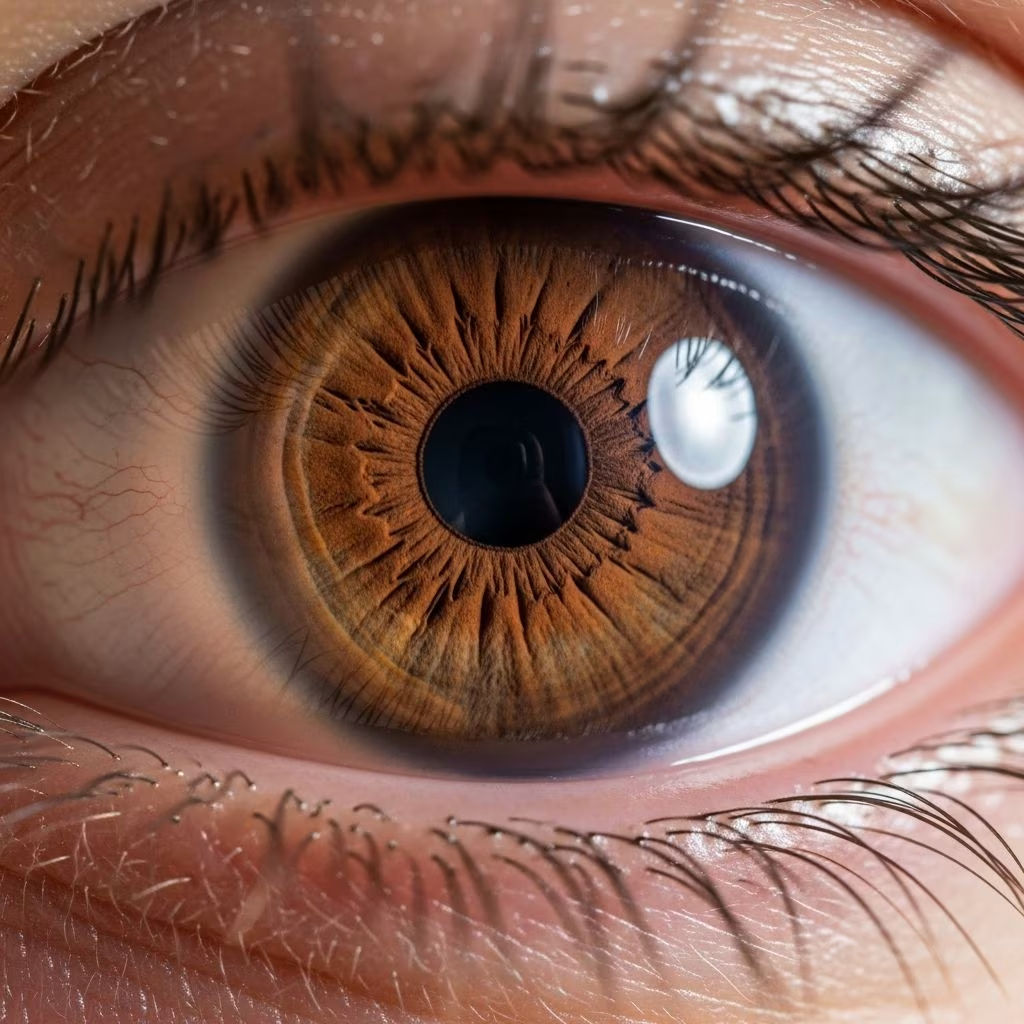
Mydriasis refers to the excessive dilation of the pupils beyond normal physiological responses, often remaining fixed regardless of light levels. This condition can arise from benign causes like eye drops or signal serious neurological issues requiring immediate attention.
What Is Mydriasis?
The pupil, the black center of the iris, normally adjusts size to control light entry: constricting (miosis) in bright light (2-4 mm) and dilating (physiological mydriasis) in dim light (4-8 mm). Pathological mydriasis occurs when pupils dilate abnormally, failing to react to light due to disruptions in the iris muscles or neural pathways.
Key muscles involved include the sphincter pupillae (constricts pupil via parasympathetic nerves) and dilator pupillae (dilates via sympathetic nerves). Damage or chemical interference can cause fixed dilation.
Symptoms of Mydriasis
Primary symptom is enlarged pupils (typically 4-8 mm in bright light) unresponsive to light changes. Associated symptoms vary by cause:
- Blurred vision or light sensitivity (photophobia)
- Headache, eye pain, or nausea
- Vision loss, confusion, or altered consciousness in severe cases
- Unilateral (one eye) or bilateral (both eyes) dilation
Sudden mydriasis with severe headache, vomiting, or neurological deficits demands emergency evaluation.
Causes of Mydriasis
Mydriasis stems from physiological, pharmacological, traumatic, or pathological factors. Here’s a breakdown:
Physiological and Benign Causes
- Low light exposure or emotional arousal (fear, excitement)
- Benign episodic unilateral mydriasis: Temporary one-eye dilation with headache, lasting minutes to hours in healthy individuals with migraine history
Medications and Drugs
Anticholinergics: Block acetylcholine, preventing pupil constriction (e.g., atropine, scopolamine for heart rate or motion sickness). Side effects: dry mouth, constipation, blurred vision.
Mydriatics: Intentional dilators like tropicamide used in eye exams; effects last 4-8 hours, causing temporary light sensitivity.
Other meds: SSRIs, adrenergic agonists, GABA agonists.
Recreational drugs: Cocaine, ecstasy, LSD, methamphetamines elevate serotonin or stimulate sympathetics, causing dilation plus risks like addiction, heart issues.
Eye and Head Trauma
- Iris or sphincter muscle damage from injury, chemical exposure (e.g., benzene)
- Traumatic brain injury or oculomotor nerve (CN III) damage leading to ‘blown pupil’
Neurological and Systemic Conditions
| Condition | Description | Affected Pupils |
|---|---|---|
| Adie’s tonic pupil | Parasympathetic denervation; slow reaction to light | Unilateral |
| Brain aneurysm/tumor | Increased intracranial pressure | Bilateral/unilateral |
| Stroke or hemorrhage | Neurological disruption | Unilateral |
| Migraine/cluster headache | Vascular changes | Unilateral |
| Oxytocin surge | Hormonal (post-exercise/intimacy) | Bilateral mild |
Mydriasis and Glaucoma Risk
Mydriasis poses acute angle-closure glaucoma risk in ‘narrow-angle’ eyes (tight iris-cornea space). Dilation blocks aqueous humor drainage, spiking intraocular pressure, potentially causing vision loss. Eye doctors screen narrow-angle patients before dilation.
Diagnosis
Diagnosis involves:
- History and exam: Onset, light response (swing light test), associated symptoms, meds/drugs.
- Slit-lamp biomicroscopy: Iris/sphincter assessment.
- Neurological eval: For unilateral dilation (e.g., CT/MRI for trauma/tumor).
- Tonometry: Intraocular pressure check for glaucoma.
Treatment for Mydriasis
Treatment targets the cause; pupils often normalize spontaneously.
- Observation: For exam drops or benign episodes (wear sunglasses).
- Discontinue offender: Stop causative meds/drugs.
- Miotic drops: Pilocarpine constricts pupils in select cases.
- Underlying condition: Surgery for trauma, rehab for addiction, glaucoma meds/laser.
- Emergency: For neurological causes, immediate intervention (e.g., aneurysm coiling).
When to See a Doctor
Seek immediate care if:
- Sudden unexplained dilation unresponsive to light
- Accompanied by headache, vision changes, nausea, confusion, trauma
- Persistent beyond 24 hours post-exam
- One pupil larger (anisocoria) with neurological symptoms
Call 911 for severe headache, seizure, weakness, slurred speech.
Frequently Asked Questions (FAQs)
What causes sudden dilated pupils?
Sudden mydriasis often signals drugs, trauma, or emergencies like stroke/aneurysm. Seek prompt evaluation.
How long do dilated pupils from eye drops last?
Typically 4-8 hours; use sunglasses and avoid driving.
Is mydriasis dangerous?
Benign causes aren’t, but it can indicate life-threatening issues like brain injury or glaucoma.
Can stress cause dilated pupils?
Yes, via sympathetic activation, but persistent dilation warrants checking.
Does mydriasis affect vision?
Yes, causing blur and light sensitivity due to uncontrolled light entry.
References
- Mydriasis: Causes, Treatment, and More — Healthline. 2023-10-15. https://www.healthline.com/health/mydriasis
- Mydriasis: What Is It, Pronunciation, Causes, Glaucoma Risk Factor — Osmosis. 2024-05-20. https://www.osmosis.org/answers/mydriasis
- Mydriasis: Definition, Causes, Treatment — All About Vision. 2024-02-12. https://www.allaboutvision.com/conditions/mydriasis-dilated-pupil/
- Possible Causes of Dilated Pupils (Mydriasis) — Healthgrades. 2023-11-08. https://resources.healthgrades.com/right-care/eye-health/dilated-pupils
- Mydriasis: Causes and treatment for dilated pupils — Medical News Today. 2023-09-22. https://www.medicalnewstoday.com/articles/321686