The Paleo diet, often called the caveman diet or Stone Age diet, aims to replicate the eating patterns of our Paleolithic ancestors from 2.5 million to 10,000 years ago. It emphasizes whole, unprocessed foods like meats, fish, vegetables, fruits, nuts, and seeds while strictly excluding grains, legumes, dairy, refined sugars, and processed foods. Proponents claim it reduces modern diseases like obesity, diabetes, and heart disease by aligning with human genetics, which haven’t adapted to agriculture-era foods.
Though impossible to precisely recreate ancient diets, research suggests hunter-gatherers consumed nutrient-dense foods and stayed active, leading to lower rates of lifestyle diseases. Today, the diet remains popular for weight loss, improved energy, and inflammation reduction, with short-term studies showing benefits in blood pressure, cholesterol, and insulin sensitivity. However, critics note potential nutrient deficiencies and limited long-term evidence compared to diets like Mediterranean or DASH.
What Is the Paleo Diet?
The Paleo diet is based on the premise that human genetics evolved for hunter-gatherer foods, not post-agricultural staples like grains and dairy. Farming introduced these, outpacing our body’s adaptation and contributing to chronic conditions. It promotes eating locally sourced, seasonal whole foods, mimicking ancestral variety: mostly plants with moderate animal products.
A strict Paleo approach excludes all grains, legumes, dairy, potatoes (except sweet varieties), refined sugars, salt, and processed items. Modified versions may include grass-fed butter or gluten-free grains for flexibility. The focus is nutrient density: high fiber from veggies and fruits, quality proteins, and healthy fats.
Potential Health Benefits of the Paleo Diet
Short-term studies link Paleo to several benefits, primarily from ditching processed foods and boosting whole food intake. Key advantages include:
- Weight loss: Significant reductions without calorie counting, due to high satiety from proteins and fibers.
- Blood sugar control: Improved insulin sensitivity and healthy glucose levels from low-glycemic foods.
- Heart health: Lower blood pressure, better cholesterol balance (higher HDL, lower triglycerides), and reduced cardiovascular risk factors.
- Reduced waist circumference: Aids weight management and lowers all-cause mortality risk.
- Anti-inflammatory effects: Increased vegetable and fiber intake supports gut health and curbs inflammation.
One Spanish study of young adults found long-term Paleo-like patterns associated with lower heart disease risk, mainly from abundant fruits, vegetables, and minimal ultra-processed foods. Preliminary research also shows satiety improvements and metabolic syndrome relief.
Foods You Can Eat on the Paleo Diet
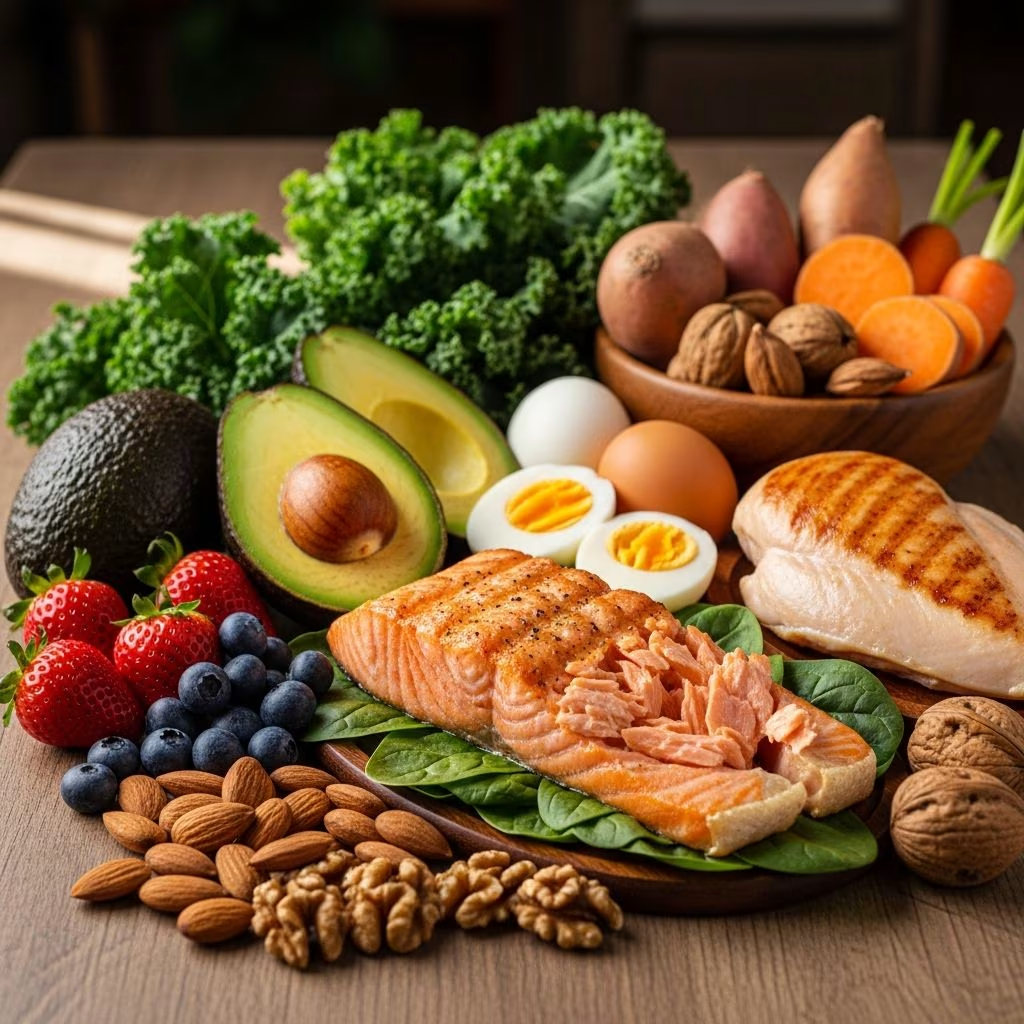
Paleo prioritizes unprocessed, nutrient-rich foods. Opt for grass-fed meats, wild-caught fish, organic produce when possible.
| Category | Examples |
|---|---|
| Meats | Grass-fed beef, pork, poultry, organ meats, wild game |
| Fish/Seafood | Salmon, mackerel, shrimp, sardines (wild-caught preferred) |
| Eggs | Free-range or pastured eggs |
| Vegetables | Broccoli, kale, spinach, carrots, peppers (non-starchy focus) |
| Fruits | Berries, apples, bananas, oranges (in moderation) |
| Nuts/Seeds | Almonds, walnuts, macadamias, chia, flaxseeds |
| Healthy Fats | Avocado, olive oil, coconut oil, avocado oil |
| Other | Honey (small amounts), herbs, spices, sea salt |
Root vegetables like sweet potatoes are allowed for their nutrients. Emphasize variety, seasonal eating, and home cooking.
Foods to Avoid on the Paleo Diet
Eliminate agriculture-era and processed foods to avoid additives and anti-nutrients:
- Grains: Wheat, oats, rice, barley, cereals
- Legumes: Beans, lentils, peanuts, soy
- Dairy: Milk, cheese, yogurt (even low-fat)
- Refined sugars: Candy, soda, baked goods
- Processed foods: Chips, packaged snacks, artificial sweeteners
- Vegetable oils: Canola, soybean, corn oil
- White potatoes: Due to high glycemic impact
This strictness targets insulin-spiking, inflammatory foods.
Sample Paleo Diet Meal Plan and Menu
A beginner’s 7-day plan emphasizes simple, satisfying meals. Adjust portions for needs; aim for balanced plates.
| Day | Breakfast | Lunch | Dinner | Snacks |
|---|---|---|---|---|
| Monday | Eggs with spinach and avocado | Grilled chicken salad with olive oil | Beef stir-fry with broccoli | Apple with almonds |
| Tuesday | Bacon and eggs, berries | Tuna salad lettuce wraps | Salmon with asparagus | Carrot sticks with guacamole |
| Wednesday | Sweet potato hash with sausage | Leftovers from dinner | Pork chops with zucchini | Handful of walnuts |
| Thursday | Eggs and fruit | Stir-fry leftovers, nuts | Fried pork, veggies | Cucumber slices |
| Friday | Eggs fried in olive oil, fruit | Chicken salad | Steak, sweet potatoes, greens | Mixed seeds |
| Saturday | Omelet with veggies | Shrimp avocado salad | Roast lamb, cauliflower | Banana |
| Sunday | Fruit smoothie with coconut milk | Turkey lettuce wraps | Baked cod, Brussels sprouts | Olives |
Shop for staples: meats, eggs, veggies, fruits, nuts, oils. Prep in advance for ease.
Risks and Downsides of the Paleo Diet
Despite benefits, Paleo has drawbacks. Excluding food groups risks deficiencies:
- Calcium shortfall: No dairy may reduce intake by 53% short-term, harming bones.
- Fiber imbalance: Sudden high-fiber shift causes bloating, gas.
- Missing nutrients: Legumes provide iron, zinc; grains offer B vitamins.
- High meat risks: Excess red meat links to heart disease, diabetes.
- Sustainability: Restrictive nature challenges long-term adherence.
Not ideal for vegans; lacks robust endorsement from health organizations. Women may face issues with high protein.
Frequently Asked Questions (FAQs)
Is the Paleo diet safe long-term?
Short-term benefits exist, but long-term data is limited. Nutrient gaps require monitoring; supplements may help calcium, vitamin D.
Can vegetarians follow Paleo?
Challenging without legumes/eggs; focus on nuts, seeds, veggies, but protein may fall short.
Does Paleo cause weight loss?
Yes, often rapidly from satiety and carb cuts, but sustainability varies.
Are potatoes allowed on Paleo?
White potatoes no; sweet potatoes yes, in moderation.
Is dairy ever Paleo?
Strictly no, as post-agricultural; modified versions allow some.
The Paleo diet offers a whole-food reset but demands careful planning to mitigate risks. Consult a doctor before starting, especially with health conditions.
References
- The Paleo Diet — A Beginner’s Guide Plus Meal Plan — Healthline. 2023. https://www.healthline.com/nutrition/paleo-diet-meal-plan-and-menu
- The Paleo Diet: Pros and Cons According to NUNM — NUNM. 2019-04-01. https://nunm.edu/2019/04/paleo-diet/
- Paleolithic Diet — NCBI Bookshelf. 2023. https://www.ncbi.nlm.nih.gov/books/NBK482457/
- Diet Review: Paleo Diet for Weight Loss — Harvard T.H. Chan School of Public Health. 2023. https://nutritionsource.hsph.harvard.edu/healthy-weight/diet-reviews/paleo-diet/
- Paleo diet: What is it and why is it so popular? — Mayo Clinic. 2023-09-25. https://www.mayoclinic.org/healthy-lifestyle/nutrition-and-healthy-eating/in-depth/paleo-diet/art-20111182
- A skeptical look at popular diets: The paleo diet isn’t just for cavemen — Stanford Medicine. 2019-01-01. https://med.stanford.edu/news/insights/2019/01/a-skeptical-look-at-popular-diets-the-paleo-diet-isnt-just-for-cavemen.html