
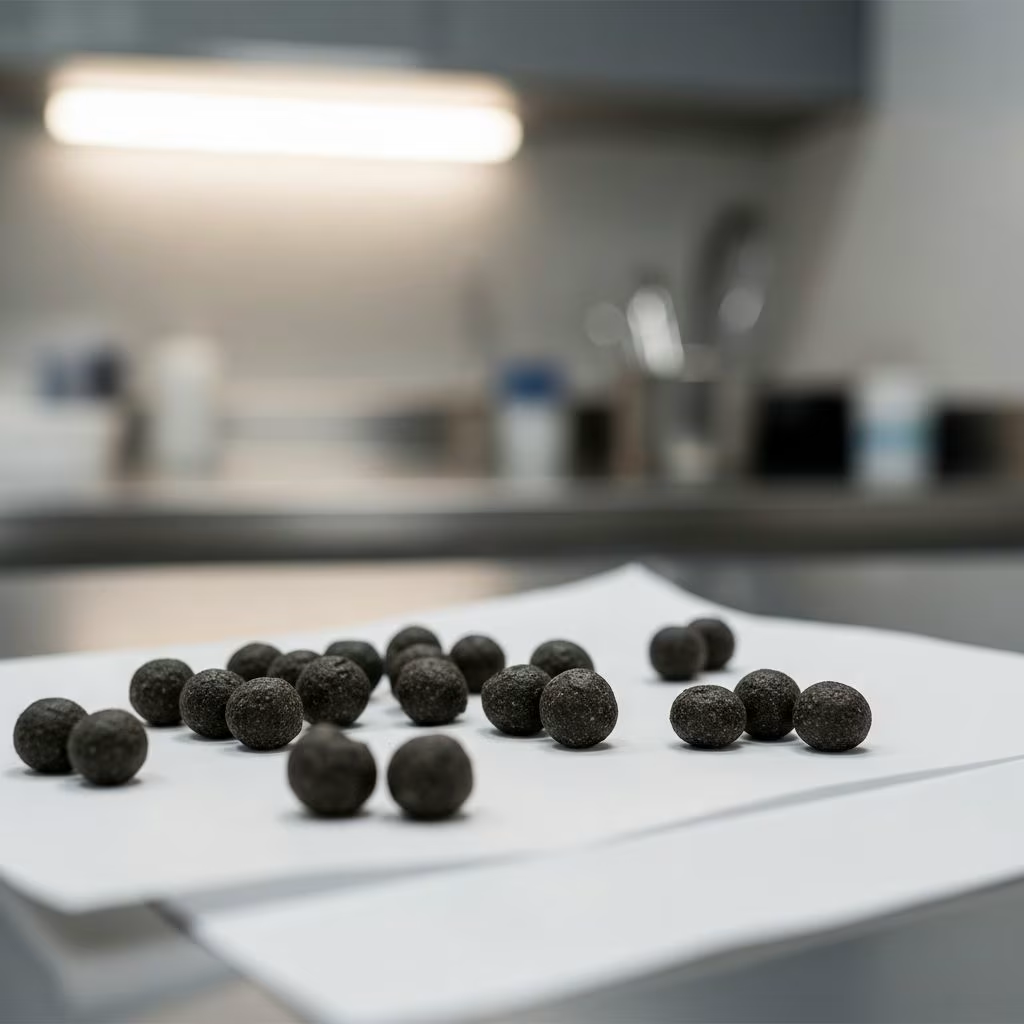
Pellet-like stool, often described as small, hard, rabbit-like droppings, typically indicates constipation, where stool becomes dry and fragmented due to slow transit through the colon. This common issue affects millions and stems from factors like inadequate fiber intake, dehydration, sedentary lifestyle, or underlying medical conditions.
What Does Pellet Poop Look Like?
Pellet poop corresponds to Type 1 on the Bristol Stool Chart, featuring separate hard lumps that are difficult to pass, signaling significant constipation. Unlike ideal smooth, sausage-shaped stool (Types 3-4), pellets form when stool lingers in the colon, losing moisture and hardening into discrete balls.
- Appearance: Small, round, pebble-sized pieces, often requiring straining.
- Texture: Very hard and dry, sometimes painful to pass.
- Frequency: Associated with infrequent bowel movements, fewer than three per week.
Bristol Stool Chart: Understanding Your Poop Types
The Bristol Stool Chart, developed by doctors at the University of Bristol, classifies stool into seven types based on shape and consistency to assess digestive health. Types 1-2 indicate constipation, 3-4 are ideal, and 5-7 suggest diarrhea.
| Type | Description | Health Implication |
|---|---|---|
| 1 | Separate hard lumps (pellets) | Severe constipation |
| 2 | Lumpy and sausage-like | Mild constipation |
| 3 | Sausage shape with cracks | Normal |
| 4 | Smooth, soft sausage | Ideal |
| 5 | Soft blobs with clear edges | Lack of fiber |
| 6 | Mushy consistency | Mild diarrhea |
| 7 | Watery, no solid pieces | Diarrhea |
Aiming for Types 3-4 promotes optimal gut motility and prevents issues like hemorrhoids from straining.
Common Causes of Pellet-Like Stool
Several lifestyle and medical factors contribute to pellet poop by slowing digestion or hardening stool.
Dehydration
Insufficient water intake reduces stool moisture, leading to hard pellets. Adults need about 11.5-15.5 cups daily, more with exercise or heat.
Low-Fiber Diet
Fiber adds bulk and softens stool; low intake (under 25-30g/day) causes constipation. Common in processed food-heavy diets.
Sedentary Lifestyle
Lack of exercise slows intestinal contractions (peristalsis), prolonging stool transit.
Medications
Opioids, antidepressants, iron supplements, and antacids with aluminum harden stool as side effects.
Irritable Bowel Syndrome (IBS)
IBS-C (constipation-predominant) features pellet stool with abdominal pain, bloating. Affects 10-15% of adults.
Hypothyroidism
Low thyroid hormone slows metabolism, including gut motility, causing chronic constipation.
Other Conditions
- Diabetes: Nerve damage (neuropathy) impairs colon function.
- Parkinson’s: Affects muscle control in intestines.
- Obstructions: Rare blockages from tumors or strictures.
- Pelvic Floor Dysfunction: Weak muscles hinder evacuation.
Pellet Poop in Children and Older Adults
Children
Common due to low-fiber diets, dairy overload, or withholding stool from potty training fears. Treat with gradual fiber increase and hydration.
Older Adults
Prevalent from reduced motility, medications, and mobility issues. Up to 30% over 65 experience chronic constipation.
How to Treat and Prevent Pellet Poop
Address root causes with lifestyle changes before medications.
Dietary Changes
- Increase soluble fiber: Oats, apples, carrots (softens stool).
- Add insoluble fiber: Whole grains, bran, vegetables (adds bulk).
- Prune juice or kiwis: Natural laxatives.
- Avoid: Processed foods, cheese, white bread.
Hydration and Exercise
Drink 8+ glasses water daily; walk 30 minutes to stimulate bowels.
Laxatives and Stool Softeners
- Bulk-forming: Psyllium (Metamucil) – safest long-term.
- Osmetics: Miralax – draws water into stool.
- Stimulants: Senna – short-term only.
- Consult doctor for chronic use.
Other Remedies
- Squatty Potty for better alignment.
- Probiotics for gut balance.
- Abdominal massage clockwise.
When to See a Doctor for Pellet Poop
Seek care if:
- Constipation lasts >3 weeks despite remedies.
- Blood in stool, unexplained weight loss, severe pain.
- Sudden changes in bowel habits, especially over 50.
- Accompanied by vomiting, anemia, family cancer history.
Tests may include colonoscopy, bloodwork, thyroid panel.
Frequently Asked Questions (FAQs)
Is pellet poop always constipation?
Yes, Type 1 stool on Bristol Chart indicates constipation from dry, slow-moving waste.
How long to fix pellet poop?
Improves in days with fiber/hydration; chronic cases need weeks or medical evaluation.
Can stress cause pellet stool?
Yes, stress disrupts gut-brain axis, slowing motility in IBS or functional constipation.
Are fiber supplements safe daily?
Bulk-forming ones like psyllium are safe long-term with adequate water.
Does coffee help pellet poop?
Yes, caffeine stimulates contractions; 1-2 cups daily can aid regularity.
Maintaining Overall Digestive Health
Beyond pellets, monitor color, smell, frequency for clues.
- Ideal frequency: 3x/day to 3x/week.
- Colors: Brown normal; black/red needs urgent check.
- Exercise: 150 min/week moderate activity.
- Screening: Colonoscopy at 45+, or sooner with risks.
Pellet poop is often fixable at home, but persistent cases warrant professional advice for underlying issues.
References
- What Can Your Poop Tell You About Your Health? — Mercy Medical Center. 2023-05-15. https://mdmercy.com/about-mercy/news-and-media/mercy-blog/search-blog-articles/what-can-your-poop-tell-you-about-your-health
- Bristol Stool Scale. — University of Bristol (via NHS). 2024-01-10. https://www.nhs.uk/conditions/constipation/bristol-stool-chart/
- Constipation – Diagnosis and treatment. — Mayo Clinic. 2025-08-20. https://www.mayoclinic.org/diseases-conditions/constipation/diagnosis-treatment/drc-20354259
- Irritable bowel syndrome (IBS). — National Institute of Diabetes and Digestive and Kidney Diseases (NIDDK). 2024-11-05. https://www.niddk.nih.gov/health-information/digestive-diseases/irritable-bowel-syndrome
- Hypothyroidism (Underactive thyroid). — American Thyroid Association. 2023-12-01. https://www.thyroid.org/hypothyroidism/