
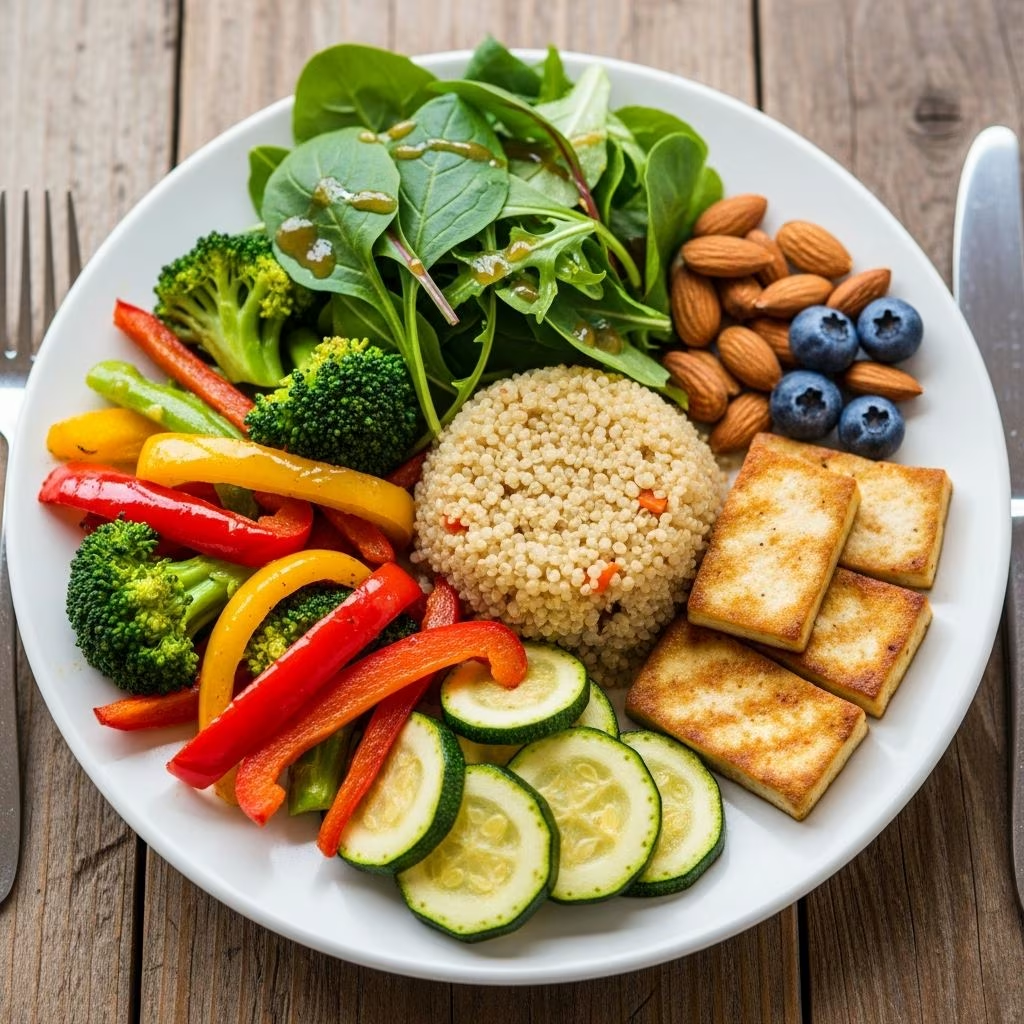
A plant-based diet, emphasizing whole grains, vegetables, fruits, legumes, nuts, and seeds while minimizing or excluding animal products, offers significant benefits for people with type 2 diabetes. Research shows it improves glycemic control, supports weight management, and lowers cardiovascular risks without the need for strict calorie counting.
What Is a Plant-Based Diet?
A plant-based diet focuses primarily on foods derived from plants, such as vegetables, fruits, whole grains, legumes, nuts, and seeds. It can range from vegan (no animal products) to flexitarian (mostly plants with occasional animal foods). Unlike fad diets, plant-based eating prioritizes nutrient-dense, fiber-rich foods that stabilize blood sugar and promote satiety.
Key characteristics include high fiber content, which slows glucose absorption; low glycemic index foods that prevent blood sugar spikes; and anti-inflammatory compounds from plants that combat insulin resistance. Cohort studies confirm that adherence to such patterns reduces type 2 diabetes incidence by up to 34%, independent of body weight.
Plant-Based Diets and Diabetes: The Evidence
Extensive research supports plant-based diets for diabetes prevention and treatment. A meta-analysis of randomized trials found vegetarian diets led to a 0.4% greater reduction in HbA1c compared to conventional diets. In the Adventist Health Study-2, vegans had a 62-74% lower diabetes risk than non-vegetarians.
- Glycemic Control: Plant-based diets improve HbA1c, fasting glucose, and insulin sensitivity. A trial showed vegan diets reduced HbA1c by 1.23% vs. 0.29% in controls.
- Weight Loss: Participants lose 5-10 kg on average due to high fiber and low energy density, aiding insulin sensitivity.
- β-Cell Function: Low-fat vegan diets enhance insulin secretion in overweight individuals.
Healthy plant-based indices (hPDI), rich in whole foods and low in refined carbs/SSBs, cut diabetes risk by 15%. Unhealthy plant-based patterns (uPDI) show no benefit, underscoring food quality.
Plant-Based Diets vs. Other Popular Diets for Diabetes
Plant-based diets outperform many alternatives for diabetes management. Here’s a comparison:
| Diet | HbA1c Reduction | Weight Loss | Heart Health Benefits | Sustainability |
|---|---|---|---|---|
| Plant-Based/Vegan | 0.4-1.23% | 5-10 kg | ↓ LDL, BP | High, no portion control needed |
| Low-Carb (Animal-Heavy) | 0.5-1.0% | Moderate | Mixed | Lower long-term |
| Mediterranean | 0.3-0.5% | Moderate | Good | Moderate |
| DASH | 0.2-0.4% | Low | BP-focused | High |
A plant-based low-carb variant links to lower premature death risk in type 2 diabetes patients, especially with healthy habits. Vegan diets excel in reducing inflammation and insulin resistance beyond Mediterranean or DASH patterns.
How a Plant-Based Diet Helps with Diabetes Complications
Diabetes raises risks for cardiovascular disease (CVD), neuropathy, and kidney issues. Plant-based diets address these:
- CVD Risk: Meta-analyses show improvements in lipids, blood pressure, and weight, reducing CVD events.
- Microvascular: Better glycemic control prevents retinopathy and nephropathy.
- Overall: Unlike pharmacotherapy alone, plants reduce macro- and microvascular risks holistically.
In trials, 43% of vegan dieters reduced/eliminated medications due to hypoglycemia, highlighting efficacy.
Sample 1-Week Plant-Based Meal Plan for Diabetes
This plan provides ~1,800-2,200 calories daily, balanced for stable blood sugar. Focus on low-GI foods.
| Day | Breakfast | Lunch | Dinner | Snacks |
|---|---|---|---|---|
| Monday | Oatmeal with berries & chia seeds | Quinoa salad w/ chickpeas, veggies | Stir-fried tofu w/ broccoli & brown rice | Apple w/ almonds |
| Tuesday | Smoothie: spinach, banana, almond milk | Lentil soup w/ whole-grain bread | Veggie stir-fry w/ tempeh | Carrots & hummus |
| Wednesday | Chia pudding w/ fruits | Black bean wrap w/ avocado | Baked eggplant parmesan (plant-based) | Greek yogurt alt (coconut) w/ nuts |
| Thursday | Whole-grain toast w/ avocado & tomatoes | Chickpea curry w/ cauliflower rice | Stuffed peppers w/ quinoa & beans | Pear & walnuts |
| Friday | Berry overnight oats | Falafel salad | Lentil stew w/ greens | Celery & peanut butter |
| Saturday | Tofu scramble w/ spinach | Veggie sushi rolls | Bean chili | Mixed nuts |
| Sunday | Fruit salad w/ flaxseeds | Sweet potato & kale bowl | Zucchini noodles w/ marinara & lentils | Orange slices |
Adjust portions based on needs; pair carbs with protein/fat/fiber for balance.
What Does the Research Say?
Peer-reviewed studies affirm plant-based diets’ superiority:
- PMC review: Vegan diets improve HbA1c, weight, lipids in type 2 diabetes.
- Diabetes Care: hPDI reduces risk 15%; SSBs/red meat increase it.
- Advances in Nutrition: Cohort data shows lower incidence/prevalence.
- Harvard: Plant-low-carb diets lower mortality.
- Mayo Clinic: Aids weight, blood sugar, insulin.
Mechanisms include enhanced insulin sensitivity, β-cell function, and reduced inflammation.
Plant-Based Diet Tips for People with Diabetes
- Monitor Blood Sugar: Check frequently; adjust meds with doctor as levels drop.
- Choose Whole Foods: Prioritize hPDI—whole grains, legumes over refined/SSBs.
- Balance Plates: ½ veggies, ¼ protein (beans/tofu), ¼ whole grains.
- Stay Hydrated: Water over sugary drinks.
- Nutrient Check: B12, omega-3s via fortified foods/supplements.
- Exercise Pairing: Combine with activity for amplified benefits.
Potential Challenges and How to Overcome Them
Challenges include social eating, nutrient gaps, and medication adjustments.
- Hypoglycemia: 43% reduce meds; consult providers.
- Protein: Legumes/nuts provide ample; no deficiency risk.
- Sustainability: Focus on variety; apps track adherence.
- Social: Potlucks with plant dishes ease transitions.
Frequently Asked Questions (FAQs)
Can a plant-based diet reverse type 2 diabetes?
Yes, many achieve remission via improved insulin sensitivity and weight loss, per PCRM and trials.
Is it safe to go plant-based on diabetes meds?
Safe but monitor for lows; 43% in studies reduced meds. Always consult a doctor.
What about carbs on a plant-based diet?
Focus on complex carbs from whole sources; they stabilize blood sugar unlike refined ones.
Do I need supplements?
B12 yes; consider D, omega-3 if low intake.
How soon do benefits appear?
HbA1c drops in 12-16 weeks; weight loss quicker.
Final Thoughts
A plant-based diet is a proven, sustainable strategy for diabetes management, backed by robust evidence for better health outcomes.
References
- Perspective: Plant-Based Eating Pattern for Type 2 Diabetes — PMC/NCBI. 2021-11-10. https://pmc.ncbi.nlm.nih.gov/articles/PMC8634508/
- Plant-Based Diets and Diabetes Risk: Which Foods — Diabetes Care (ADA). 2024-05-01. https://diabetesjournals.org/care/article/47/5/787/154331/Plant-Based-Diets-and-Diabetes-Risk-Which-Foods
- A plant-based diet for the prevention and treatment of type 2 diabetes — PMC/NCBI. 2017-05-24. https://pmc.ncbi.nlm.nih.gov/articles/PMC5466941/
- Plant-based low-carbohydrate diet linked with lower risk of premature death — Harvard T.H. Chan School of Public Health. 2023-06-20. https://hsph.harvard.edu/news/plant-based-low-carbohydrate-diet-linked-with-lower-risk-of-premature-death-for-people-with-type-2-diabetes/
- Vegetarian diet: Can it help me control my diabetes? — Mayo Clinic. 2023-08-15. https://www.mayoclinic.org/diseases-conditions/diabetes/expert-answers/diabetes/faq-20058117