
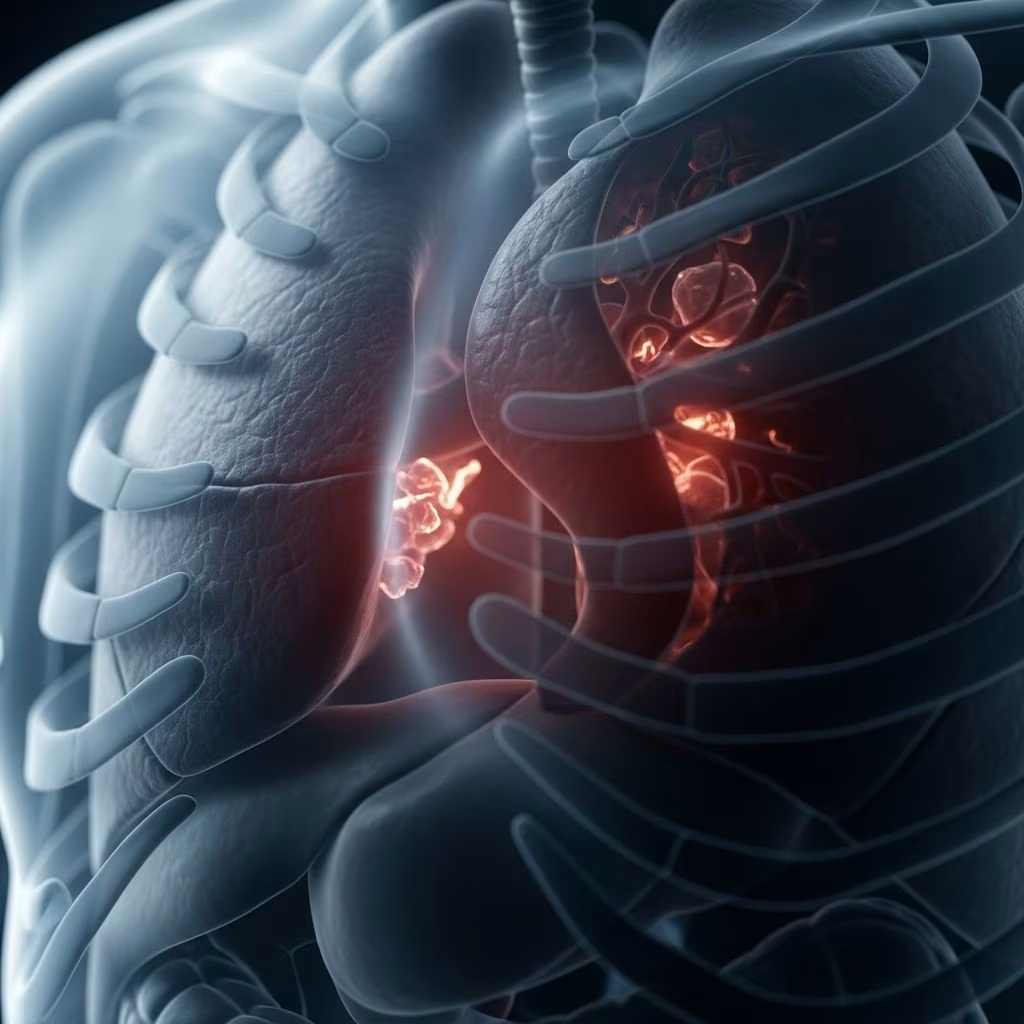
Pneumonia is a serious lung infection that inflames the air sacs in one or both lungs, filling them with fluid or pus, leading to cough, fever, chills, and breathing difficulties. It can range from mild to life-threatening, particularly affecting infants, older adults, and those with weakened immune systems.
What Is Pneumonia?
Pneumonia involves inflammation of the alveoli, the tiny air sacs in the lungs, often caused by bacteria, viruses, or fungi invading the respiratory tract. When the body’s defenses falter, these pathogens multiply, triggering white blood cells to flood the area, resulting in fluid buildup that impairs oxygen exchange and causes symptoms like productive cough and labored breathing. Unlike bronchitis, which affects larger airways, pneumonia targets deeper lung tissue, making it more severe. Globally, it remains a leading cause of hospitalization and death, especially in vulnerable populations.
Pneumonia Symptoms
Symptoms vary by cause, age, and health status but commonly include a cough producing phlegm, fever, chills, shortness of breath, chest pain, fatigue, sweating, and rapid breathing. Bacterial pneumonia often strikes suddenly with high fever and rusty sputum, while viral forms develop gradually with flu-like signs.
- Common symptoms in adults: Cough with yellow, green, or blood-tinged phlegm; fever above 102°F (39°C); chills and sweating; shortness of breath even at rest; sharp chest pain worsening with cough or inhalation; confusion in older adults; rapid heartbeat.
- Less common symptoms: Nausea, vomiting, diarrhea, low body temperature in elderly or immunocompromised, muscle aches.
In children and infants, signs may be subtler: fast or difficult breathing, grunting, flaring nostrils, blue lips or nails, fever without cough, irritability, poor feeding, or lethargy. Older adults might show only weakness, confusion, or appetite loss without classic fever. “Walking pneumonia” from Mycoplasma causes milder fatigue and dry cough, rarely requiring bed rest.
Types of Pneumonia
Pneumonia is classified by pathogen or acquisition method, influencing symptoms and treatment.
| Type | Cause | Key Features |
|---|---|---|
| Bacterial | Streptococcus pneumoniae, Haemophilus influenzae | Sudden onset, high fever, thick purulent sputum; treated with antibiotics |
| Viral | Influenza, RSV, COVID-19, SARS-CoV-2 | Gradual, flu-like; often self-resolves, supportive care |
| Fungal | Histoplasma, Pneumocystis (immunocompromised) | Chronic, from soil/bird droppings; antifungals needed |
| Aspiration | Food/liquids entering lungs | In those with swallowing issues; anaerobic bacteria |
| Walking (Atypical) | Mycoplasma, Chlamydia pneumoniae | Mild, persistent dry cough; antibiotics like macrolides |
Community-acquired occurs outside hospitals; hospital-acquired (HAP) or ventilator-associated (VAP) are often more resistant and severe.
Causes and Risk Factors
Bacteria cause most cases (e.g., pneumococcus), followed by viruses (flu, coronaviruses) and rarely fungi. Risk factors include age under 2 or over 65, chronic diseases (COPD, heart failure, diabetes), smoking, weakened immunity (HIV, chemo), recent respiratory infection, or hospitalization. Aspiration risk rises with neurological disorders or sedation.
- Age extremes disrupt immune response.
- Smoking damages cilia, impairing clearance.
- Chronic lung/heart conditions hinder recovery.
When to See a Doctor
Seek immediate care for high fever persisting >3 days, worsening cough with colored phlegm, severe shortness of breath, chest pain, confusion, or bluish skin. Infants with rapid breathing or poor feeding, or adults >65 with mild symptoms worsening, need prompt evaluation to prevent complications.
How Is Pneumonia Diagnosed?
Diagnosis starts with history and exam: listening for crackles, checking oxygen levels via pulse oximetry. Chest X-ray confirms infiltrates; blood tests detect infection (elevated white cells, C-reactive protein); sputum culture identifies pathogen; CT for complications; bronchoscopy rarely. PCR tests distinguish viral from bacterial.
Pneumonia Treatment
Treatment targets cause: antibiotics (amoxicillin, azithromycin) for bacterial within 4-48 hours improvement; antivirals (oseltamivir) for flu-related; antifungals for fungal. Supportive: rest, hydration, fever reducers (acetaminophen), oxygen, or hospitalization for severe cases (IV meds, ventilators). Most recover in 1-2 weeks, but cough lingers.
- Mild cases: Oral antibiotics, home rest.
- Severe: Hospital IV therapy, monitoring.
Pneumonia Prevention
Vaccines are key: PCV20/13 for pneumococcus (children, >65, at-risk); PPSV23 booster; annual flu shot; COVID/RSV vaccines. Hygiene: handwashing, cough etiquette, avoid sick contacts, quit smoking, manage chronic conditions. Prophylactic antibiotics for high-risk immunocompromised.
Complications of Pneumonia
Untreated, pneumonia causes pleural effusion (fluid around lungs), empyema (infected fluid), abscesses, bacteremia (sepsis), ARDS, or respiratory failure. Highest risk in elderly, infants, comorbidities; mortality up to 10-30% in severe hospitalized cases.
Pneumonia in Children vs. Adults
Children: Often viral, symptoms include retractions, wheezing; bacterial more focal. Adults: Bacterial predominant, atypical in young healthy; elderly subtler. Infants may lack fever/cough, showing only distress.
Living With Pneumonia
Recovery involves gradual activity increase, nutrition, follow-up X-rays; fatigue/cough may persist weeks. Monitor for relapse; pulmonary rehab for severe cases. Contagiousness: Bacterial after 48h antibiotics fever-free; viral until symptoms resolve.
Frequently Asked Questions
Can pneumonia resolve without antibiotics?
Viral pneumonia often does with rest; bacterial requires antibiotics to prevent worsening.
Is pneumonia contagious?
The pathogens are (via droplets), but pneumonia itself from secondary invasion isn’t directly spread.
How long does pneumonia last?
1-2 weeks for most; full recovery 4-6 weeks, longer in vulnerable groups.
Can you have pneumonia without fever?
Yes, especially elderly or immunocompromised, with confusion or weakness instead.
What’s the difference between pneumonia and bronchitis?
Bronchitis inflames airways (dry/wet cough); pneumonia affects alveoli with infiltrates on X-ray.
References
- Overview: Pneumonia – InformedHealth.org — NCBI Bookshelf. 2023. https://www.ncbi.nlm.nih.gov/books/NBK525774/
- Pneumonia – Symptoms and causes — Mayo Clinic. 2023-10-13. https://www.mayoclinic.org/diseases-conditions/pneumonia/symptoms-causes/syc-20354204
- Pneumonia: Causes, Symptoms, Diagnosis & Treatment — Cleveland Clinic. 2024-04-20. https://my.clevelandclinic.org/health/diseases/4471-pneumonia