
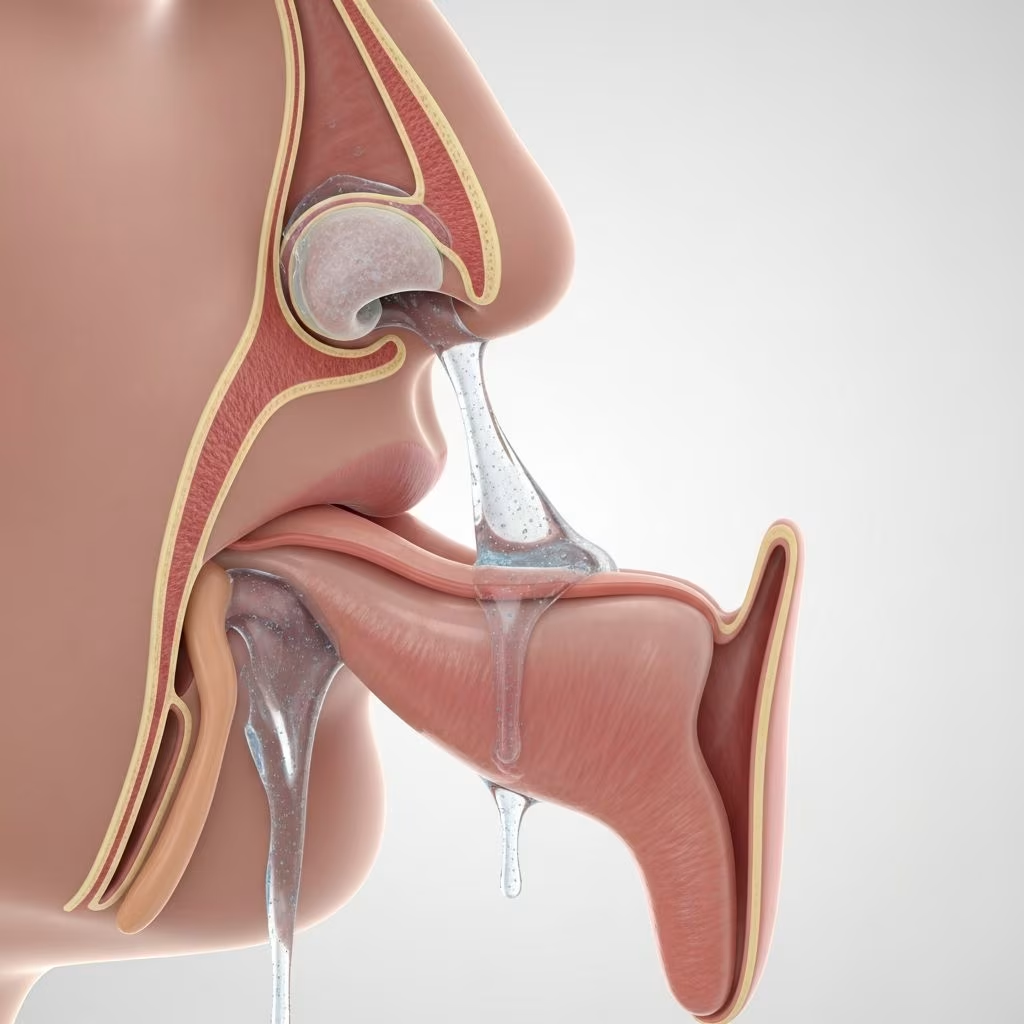
What Is Postnasal Drip?
Postnasal drip is a common condition where excess mucus from the nose and throat glands drips down the back of the throat. This can cause a persistent sensation of mucus in the throat, frequent throat clearing, coughing, and sometimes a sore throat. While usually not serious, postnasal drip can be uncomfortable and disruptive to daily life.
Causes of Postnasal Drip
Postnasal drip can result from a variety of conditions and triggers. Common causes include:
- Allergic rhinitis (hay fever)
- Colds and flu
- Sinus infections (sinusitis)
- Environmental irritants (smoke, perfumes, cleaning products)
- Spicy foods
- Pregnancy
- Medications (such as birth control or blood pressure drugs)
- Gastroesophageal reflux disease (GERD)
- Chronic respiratory conditions (like chronic obstructive pulmonary disease)
- Deviated septum
- Nasal polyps
Symptoms of Postnasal Drip
The most common symptoms of postnasal drip include:
- Constant feeling of mucus in the throat
- Frequent throat clearing
- Cough, especially at night
- Sore throat
- Hoarseness
- Bad breath
- Difficulty swallowing
- Ear fullness or popping
Diagnosis of Postnasal Drip
Diagnosing postnasal drip typically involves a review of symptoms and medical history. A healthcare provider may perform a physical examination and, in some cases, order additional tests to identify the underlying cause. These tests may include:
- Allergy testing
- Nasal endoscopy
- Imaging studies (such as CT scans) to check for sinus issues or nasal polyps
- Tests for GERD
Treatment Options for Postnasal Drip
Treatment for postnasal drip depends on the underlying cause. Common treatment options include:
Home Remedies
- Stay hydrated by drinking plenty of fluids to thin mucus.
- Use a humidifier or steam vaporizer to add moisture to the air.
- Try saline nasal sprays or nasal irrigation to clear nasal passages.
- Avoid known allergens and irritants.
- Elevate your head while sleeping to reduce mucus accumulation.
Over-the-Counter Medications
- Antihistamines (for allergies)
- Decongestants (for nasal congestion)
- Mucus-thinning medications (such as guaifenesin/Mucinex)
- Steroid nasal sprays (for allergic rhinitis)
Prescription Medications
- Nasal corticosteroid sprays (for persistent allergies or inflammation)
- Antibiotics (for bacterial infections)
- Leukotriene receptor antagonists (such as montelukast, for allergies)
- Medications for GERD (if reflux is the cause)
Surgical Options
- Septoplasty (for a deviated septum)
- Sinus surgery (for chronic sinusitis or nasal polyps)
When to See a Doctor
Most cases of postnasal drip can be managed at home or with over-the-counter treatments. However, you should see a doctor if:
- Symptoms persist for more than 10 days
- You have a high fever
- You experience severe pain or swelling
- You have difficulty breathing
- You notice blood in your mucus
- Symptoms worsen or do not improve with treatment
Prevention of Postnasal Drip
Preventing postnasal drip involves avoiding triggers and maintaining good nasal health. Tips include:
- Avoid allergens and irritants
- Stay hydrated
- Use a humidifier in dry environments
- Practice good hygiene to prevent infections
- Manage underlying conditions like allergies or GERD
FAQs About Postnasal Drip
Q: Can postnasal drip cause a cough?
A: Yes, postnasal drip often causes a persistent cough, especially at night, as mucus drips down the throat and irritates the airways.
Q: Is postnasal drip contagious?
A: Postnasal drip itself is not contagious, but if it is caused by a viral infection like a cold, the infection can be contagious.
Q: Can postnasal drip lead to complications?
A: If left untreated, postnasal drip can lead to complications such as sinus infections, ear infections, or bronchitis.
Q: How long does postnasal drip last?
A: The duration of postnasal drip depends on the cause. It may last a few days for a cold or several weeks for chronic conditions like allergies or sinusitis.
Q: Can postnasal drip be a sign of something serious?
A: While postnasal drip is usually not serious, persistent symptoms or those accompanied by other concerning signs should be evaluated by a healthcare provider.
References
- Postnasal Drip: Symptoms, Treatments, Home Remedies — Medical News Today. 2023-04-12. https://www.medicalnewstoday.com/articles/319636
- Post-nasal Drip: Symptoms, Causes and Treatment — MyDr. 2023-01-15. https://mydr.com.au/respiratory-health/post-nasal-drip/
- Postnasal Drip: Symptoms and Treatment — WebMD. 2023-03-20. https://www.webmd.com/allergies/postnasal-drip
- Postnasal Drip Syndrome (PNDS) — Cegla. 2023-02-10. https://www.cegla.de/en/postnasal-drip-syndrome/
- Postnasal Drip: Symptoms & Causes — Cleveland Clinic. 2023-05-01. https://my.clevelandclinic.org/health/diseases/23082-postnasal-drip
- Post-nasal Drip — Healthdirect. 2023-02-28. https://www.healthdirect.gov.au/post-nasal-drip
- Postnasal Drip: Causes, Symptoms, & Treatment — Tylenol. 2023-04-05. https://www.tylenol.com/adult-relief/sinus/postnasal-drip
- Post-nasal Drip — ENT Health. 2023-03-15. https://www.enthealth.org/conditions/post-nasal-drip/