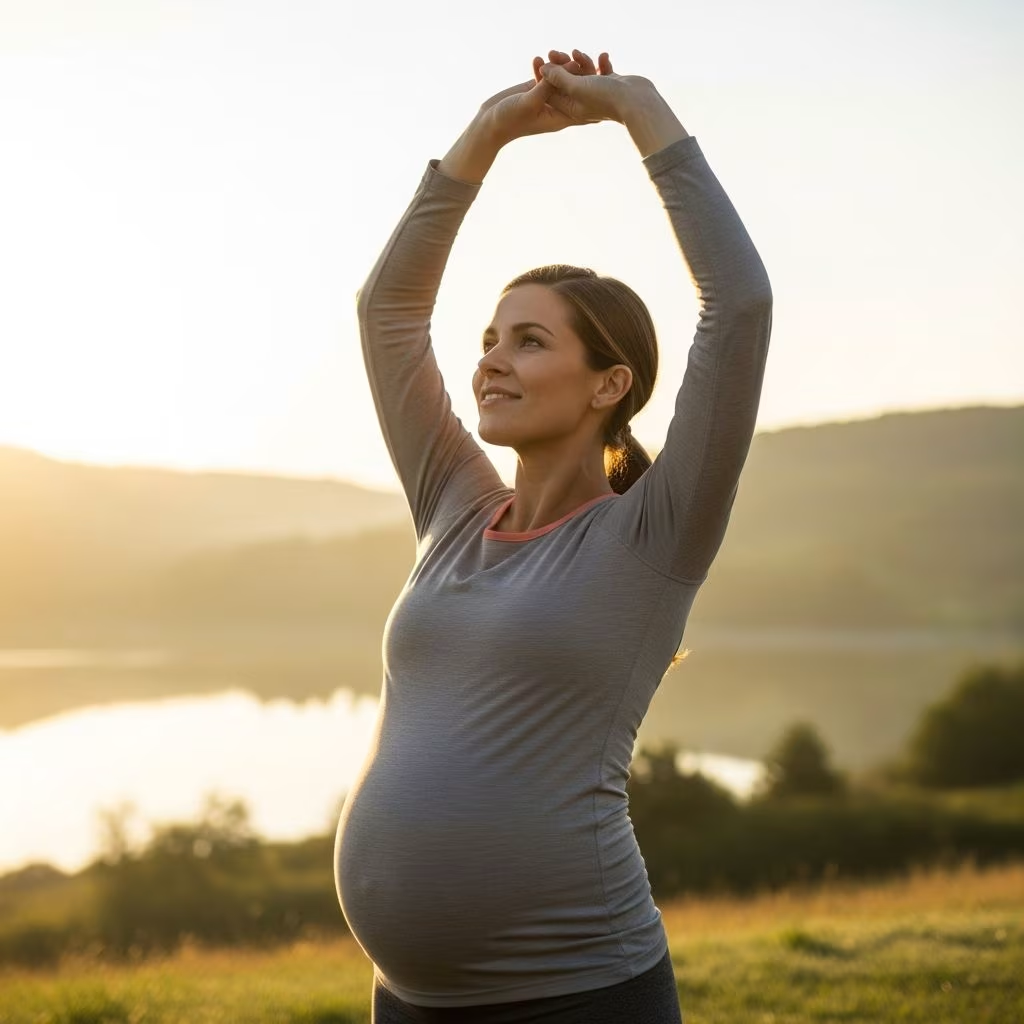
Physical activity during pregnancy is safe and beneficial for most women when done appropriately. Health organizations worldwide, including the American College of Obstetricians and Gynecologists (ACOG), Centers for Disease Control and Prevention (CDC), and NHS, recommend at least 150 minutes of moderate-intensity aerobic activity per week to support maternal and fetal health.
Understanding the Guidelines
Pregnant women without contraindications should aim for a minimum of 150 minutes of moderate-intensity physical activity each week, spread over at least three days, with daily activity encouraged for optimal benefits. Moderate intensity means you can talk but not sing, such as brisk walking where your heart rate increases and you start to sweat.
For those new to exercise, start slowly with 5-10 minute sessions and gradually build up. Women already active can continue pre-pregnancy routines with modifications as pregnancy progresses. The World Health Organization aligns adult guidelines with pregnancy, emphasizing bouts of at least 10 minutes. Canadian guidelines specifically note reductions in gestational diabetes, preeclampsia, and depression risks by 25-40% with adherence.
Benefits of Exercise During Pregnancy
Regular physical activity offers numerous advantages:
- Reduces excessive gestational weight gain.
- Lowers risk of gestational diabetes, hypertension, and preeclampsia.
- Decreases postpartum depression symptoms.
- Improves cardiovascular fitness, mood, energy levels, and sleep.
- Eases labor, reduces cesarean delivery risk, and aids postpartum recovery.
- Supports better fetal outcomes, including higher birth weight and neurodevelopment.
Evidence from multiple guidelines confirms low risks for healthy women, with no increased chance of low birth weight, preterm birth, or miscarriage from moderate activity.
Safe Exercises During Pregnancy
Focus on low-impact activities that minimize fall, trauma, or collision risks. Continue pre-pregnancy exercises if accustomed, but modify as needed.
| Activity | Benefits | Trimester Notes |
|---|---|---|
| Brisk Walking | Total body workout, joint-friendly | All trimesters; ideal starter |
| Swimming/Water Aerobics | Supports weight, full-body engagement, low strain | All trimesters; excellent for later stages |
| Stationary Bicycling | Cardio without balance risk | All trimesters; avoid road biking post-first trimester |
| Modified Yoga/Pilates | Improves flexibility, strength, reduces stress | Use prenatal classes; avoid back-lying poses after 16 weeks |
| Resistance Training | Builds muscle; use light weights | Incorporate 2x/week; focus on form |
Incorporate variety: aerobic, resistance, yoga/stretching for comprehensive benefits. Always warm up (5-10 minutes) and cool down with stretching.
Exercises and Sports to Avoid
Avoid activities with high fall, abdominal trauma, or collision risks:
- Contact or high-impact sports (e.g., soccer, basketball, hockey, boxing).
- Activities with fall risk (e.g., skiing, horseback riding, gymnastics).
- Scuba diving (decompression risks to fetus).
- Hot yoga or exercise in hot/humid conditions (overheating risk).
- Lying flat on back after 16 weeks (vena cava compression).
- High-altitude activities over 2,500m (altitude sickness).
Stop if experiencing dizziness, chest pain, contractions, or fluid leakage.
Contraindications to Exercise
Consult a healthcare provider before starting or continuing exercise. Absolute contraindications (avoid strenuous activity):
- Placenta previa or bleeding
- Ruptured membranes
- Preeclampsia
- Incompetent cervix
- Multiple gestation with risks
- Severe anemia
Relative contraindications (discuss with provider):
- Mild-moderate anemia
- Unevaluated maternal cardiac arrhythmia
- Chronic hypertension
- Nutritional deficiencies
- Orthopedic limitations
- Poorly controlled diabetes/thyroid disease
- Obesity/IUGR history
Women with contraindications can maintain daily activities but avoid vigorous exercise.
Exercise Tips for Each Trimester
First Trimester
Continue usual activities if fit; combat fatigue with light walking or swimming. Focus on hydration and nausea management.
Second Trimester
Energy often returns; ideal for building routine with yoga or aqua aerobics. Monitor for balance changes.
Third Trimester
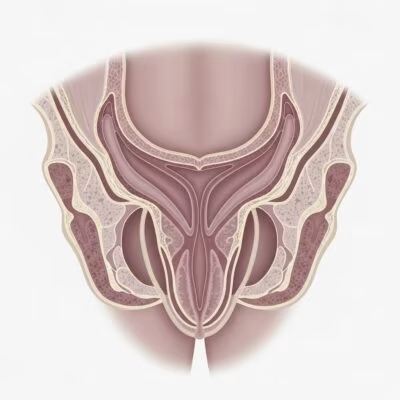
Shorten sessions if fatigued; prioritize pelvic floor exercises (Kegels) and low-impact cardio. Swimming relieves pressure.
General tips:
- Stay hydrated; drink before thirst.
- Wear supportive shoes and bra.
- Monitor intensity: use talk test.
- Include pelvic floor strengthening daily.
- Seek prenatal classes for guidance.
Starting Exercise if Previously Sedentary
Begin with 10-15 minutes of walking 3x/week, increasing gradually. Aim for the 150-minute goal over time. Any activity beats none.
Postpartum Physical Activity
Resume light activity soon after birth if uncomplicated; aim for 150 minutes/week postpartum to aid recovery, weight management, and mental health.
Frequently Asked Questions (FAQs)
Is exercise safe during pregnancy?
Yes, for most women without contraindications; it reduces complications and improves outcomes.
How much exercise is recommended?
At least 150 minutes moderate aerobic activity weekly, in 30-minute bouts over 3+ days.
Can I continue running if I did it before pregnancy?
Yes, if experienced and no issues; monitor for discomfort and consult provider.
What if I feel pain or dizziness?
Stop immediately and contact your healthcare provider.
Can exercise cause preterm labor?
No evidence in healthy pregnancies; moderate activity is low-risk.
Should overweight women exercise?
Yes, with provider approval; it helps manage weight and complications.
References
- Guidelines for Physical Activity during Pregnancy — NIH/PMC. 2014-10-21. https://pmc.ncbi.nlm.nih.gov/articles/PMC4206837/
- 2019 Canadian Guideline for Physical Activity throughout Pregnancy — Canadian Society for Exercise Physiology. 2019. https://csepguidelines.ca/guidelines/pregnancy/
- Is exercise safe during pregnancy? Experts share which activities to do and which you should avoid — UC Davis Health. 2025-04. https://health.ucdavis.edu/blog/cultivating-health/is-exercise-safe-during-pregnancy-experts-share-which-activities-to-do-and-which-you-should-avoid/2025/04
- Pregnant & Postpartum Activity: An Overview — CDC. Accessed 2026. https://www.cdc.gov/physical-activity-basics/guidelines/healthy-pregnant-or-postpartum-women.html
- Exercise During Pregnancy — ACOG. Accessed 2026. https://www.acog.org/womens-health/faqs/exercise-during-pregnancy
- Exercise in pregnancy — NHS. Accessed 2026. https://www.nhs.uk/pregnancy/keeping-well/exercise/
- Physical Activity Recommendations for Pregnant and Postpartum Women — CDC. Accessed 2026. https://www.cdc.gov/physicalactivity/basics/pdfs/pa-pregnant-and-postpartum-women-508.pdf