
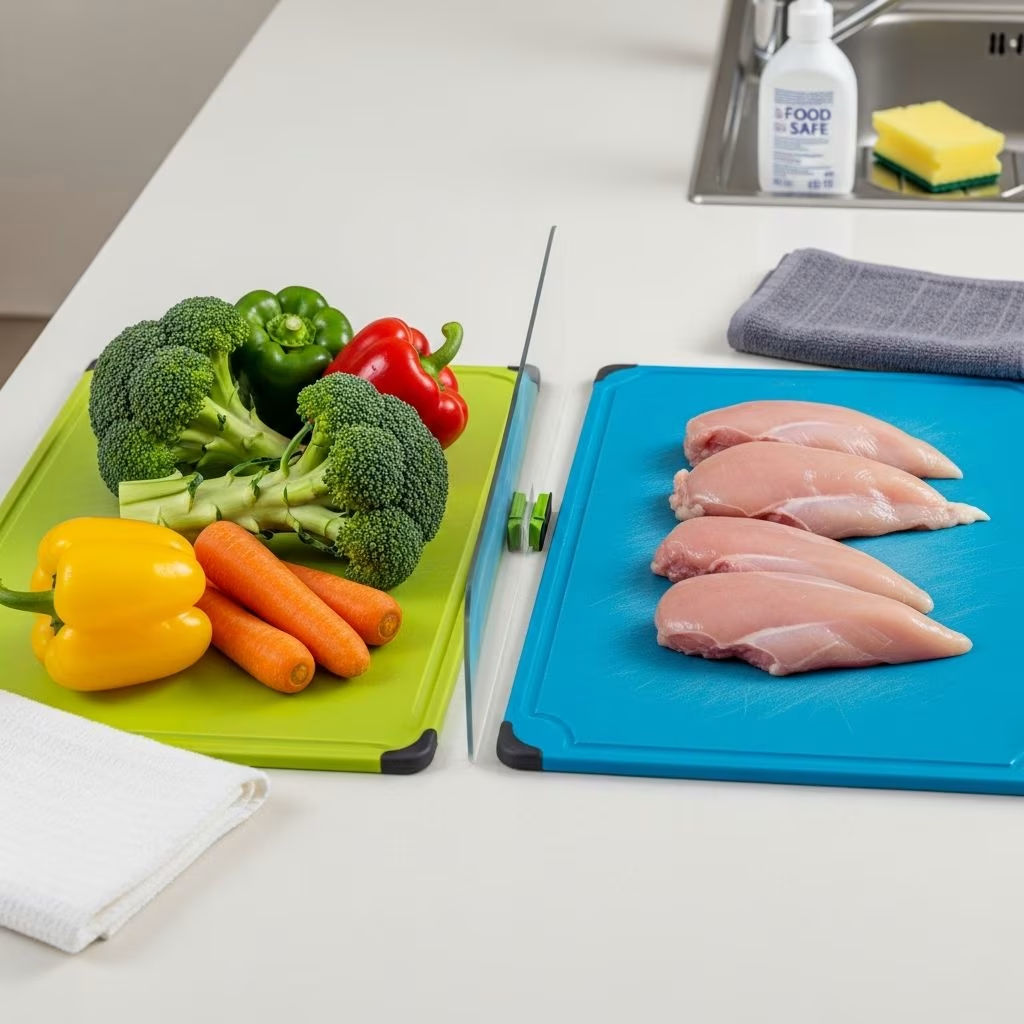
Many households today include individuals with food allergies, celiac disease, or sensitivities to ingredients like gluten, peanuts, or dairy. Preventing cross-contact—the unintended transfer of allergenic proteins or gluten particles from one food or surface to another—is crucial for safe home cooking. Unlike cross-contamination, which involves harmful bacteria and can be eliminated by proper cooking temperatures, cross-contact with allergens persists even after cooking because heat does not destroy allergenic proteins.
This guide provides detailed, actionable strategies across all stages of food handling: shopping, storage, preparation, cooking, cleaning, and serving. By implementing these practices, you can create a safer kitchen environment, reducing the risk of allergic reactions or gluten exposure.
Smart Shopping Strategies
Cross-contact can begin before food reaches your kitchen, especially in shared shopping environments. Vigilance starts at the grocery store to minimize risks from the outset.
- Separate carts and bags: When shopping for others or mixed households, store potentially problematic foods in plastic produce bags. Use a second cart if possible, and keep items separate through checkout until home storage.
- Avoid high-risk areas: Steer clear of bulk bins, hot/cold salad bars, and deli counters, where shared scoops, tongs, or airborne particles increase cross-contact chances.
- Read labels religiously: Check ingredient lists every time, as manufacturers may change recipes without notice. Look for allergen warnings and ‘may contain’ statements.
- Opt for sealed packaging: Choose pre-packaged items over open displays to reduce handling exposure.
These steps ensure allergens or gluten don’t hitch a ride home unintentionally, setting the foundation for a safe pantry.
Set Up a Storage System
Proper organization in pantries, refrigerators, and freezers prevents drips, crumbs, or mixing. Designate zones to keep safe foods isolated.
- Dedicated shelves: Reserve top shelves for allergen-free or gluten-free items to avoid crumbs falling from above. Place containing foods on lower shelves.
- Clear labeling: Use color-coded stickers—green for ‘safe’ and red for ‘not safe’—on all items. This helps children, visitors, and babysitters identify options quickly.
- Squeeze bottles for condiments: Transfer peanut butter, jelly, or sour cream into squeeze bottles to eliminate double-dipping with utensils.
- Sealed containers: Store allergens in airtight, labeled containers. For freezers, double-wrap to prevent odor and particle transfer.
- Avoid look-alikes: Don’t store similar items like soy milk and cow’s milk side-by-side; use special containers for safe versions.
Regularly clean storage areas to remove residue, and educate household members on the system to maintain compliance.
Conscious Cooking is Key to Preventing Cross-Contact
Preparation is where most cross-contact occurs. Sequence matters: always handle safe foods first.
- Separate tools and appliances: Use dedicated cutting boards, utensils, pots, strainers, rolling pins, whisks, and pizza cutters for safe foods. Color-code for easy identification (e.g., blue for gluten-free).
- Prep order: Cook allergen- or gluten-free dishes before others. Clean surfaces and equipment thoroughly between uses.
- Dedicated spaces: If feasible, assign a counter area exclusively for safe food prep.
- Appliance checks: Inspect toasters, blenders, and grills—use toaster bags or foil liners for safe toasting. Clean griddles fully before safe cooking.
- Hand hygiene: Wash hands with soap for 20 seconds after handling allergens, before touching safe foods.
Change gloves and aprons when switching tasks. Teach family the ‘no double-dipping’ rule for jars.
Wash and Wash Again
Thorough cleaning eliminates residue that causes cross-contact. Hot, soapy water or dishwashers are essential.
- Hands and PPE: Scrub hands for 20 seconds; swap gloves/aprons between allergen handling.
- Utensils and dishes: Wash with hot, soapy water or dishwasher-rinse immediately after use.
- Surfaces and appliances: Wipe crumbs with a dry towel first, then wash or sanitize counters, stoves, and large items.
- Full clean routine: Sterilize everything that touches food—boards, sinks, etc. Limit eating to kitchen/dining areas for easier cleanup.
For shared homes, this routine becomes habit to protect sensitive individuals.
Consider Cross-Contact Through Service
Serving amplifies risks if not managed. Prioritize safe dishes.
- Serve safe first: Plate allergen-free meals before others; carry separately. For family-style, let allergic guests self-serve first.
- Avoid DIY bars: Skip make-your-own sundaes, salads, or toppings to prevent mixing.
- Separate serving tools: Use distinct plates, utensils, and serving spoons.
- Communicate: Label dishes clearly. If cross-contact is suspected, inform guests and remake safely.
- Table setup: Keep safe foods covered and distant from allergens to avoid splatter.
Double-check packaged sides for hidden allergens before serving.
Additional Tips for Shared Households
Beyond basics, foster awareness and habits.
- Have ‘the talk’ with family about risks and rules.
- Limit allergens to kitchen zones.
- For guests, provide instruction cards listing allergens.
Frequently Asked Questions (FAQs)
What is the difference between cross-contamination and cross-contact?
Cross-contamination transfers bacteria, killed by cooking. Cross-contact transfers allergens/gluten, unaffected by heat.
Do I need separate kitchens?
No, but dedicated tools, zones, and routines suffice in shared spaces.
How often should I clean for prevention?
After every use involving allergens; daily for high-traffic areas.
Are toaster bags effective?
Yes, they barrier crumbs in shared toasters.
What if cross-contact happens during serving?
Notify immediately and prepare a fresh safe dish.
Implementing these strategies transforms your kitchen into an allergy-aware haven. Consistency protects health, allowing worry-free meals.
References
- Preventing Cross-Contact at Home — Academy of Nutrition and Dietetics. 2023. https://www.eatright.org/food/home-food-safety/wash-and-separate-foods/preventing-cross-contact-at-home
- Avoiding Cross-Contamination at Home — The Difference Baker. 2024. https://thedifferencebaker.com/blogs/resources/avoiding-cross-contamination-at-home
- Avoiding Cross-Contact In Your Kitchen — Kids With Food Allergies. 2024-07-01. https://kidswithfoodallergies.org/living-with-food-allergies/choosing-safe-foods/prevent-allergic-reactions-in-your-kitchen/
- 7 Tips for Avoiding Gluten Cross-Contact at Home — Gluten Intolerance Group. 2021-01-08. https://gluten.org/2021/01/08/cross-contact/
- Avoiding Cross-Contact Allergen Contamination — Food Allergy Awareness & Care. 2024. https://www.foodallergyawareness.org/food-allergy-and-anaphylaxis/cross-contact/cross-contact/
- Avoiding Cross-Contact — Food Allergy Research & Education (FARE). 2024. https://www.foodallergy.org/resources/avoiding-cross-contact