Psoriasis is a chronic autoimmune condition characterized by rapid skin cell turnover, leading to inflamed, scaly patches. While no diet cures psoriasis, research shows that nutrition can significantly influence symptom severity, flare frequency, and overall inflammation. Patients often report improvements from dietary modifications, with studies highlighting reduced sugar intake, increased fruits and vegetables, and specific diets like gluten-free or Mediterranean patterns.
A survey of 1,206 psoriasis patients found they consumed less sugar, whole grain fiber, dairy, and calcium but more fruits, vegetables, and legumes compared to controls. Eighty-six percent tried dietary changes, with skin improvements noted after cutting alcohol (53.8% of respondents), gluten (53.4%), nightshades (52.1%), and adding omega-3s (44.6%) or vitamin D (41%).Weight loss emerged as a key benefit, with 69% of special diet adherents reporting it, underscoring diet’s role in managing obesity-linked psoriasis.
Psoriasis and Diet: The Connection
The link between diet and psoriasis stems from the condition’s inflammatory nature. Psoriasis involves immune dysregulation, where T-cells trigger excessive keratinocyte proliferation. Inflammatory foods exacerbate this via cytokines and eicosanoids, while anti-inflammatory nutrients suppress them.
Triggers like stress, infections, and diet activate flares. High-sugar diets promote inflammation, as shown in mouse models where elevated glucose led to skin changes mimicking psoriasis. Alcohol, red meat, saturated fats, and refined carbs similarly fuel systemic inflammation. Conversely, omega-3 fatty acids from fish modulate eicosanoids, reducing inflammatory signals.
Patient-reported data reveals personalized responses: non-white patients benefited more from avoiding red meat or pork, while severe cases responded to caffeine cuts. Those with celiac disease saw gains from ditching white flour. This variability emphasizes tracking personal triggers via food diaries.
Best Diet for Psoriasis
No single “best” diet fits all, but evidence favors anti-inflammatory approaches. The National Psoriasis Foundation notes healthful eating lessens symptoms and comorbidities without curing the disease. Consult providers before changes, especially with medications.
Mediterranean Diet
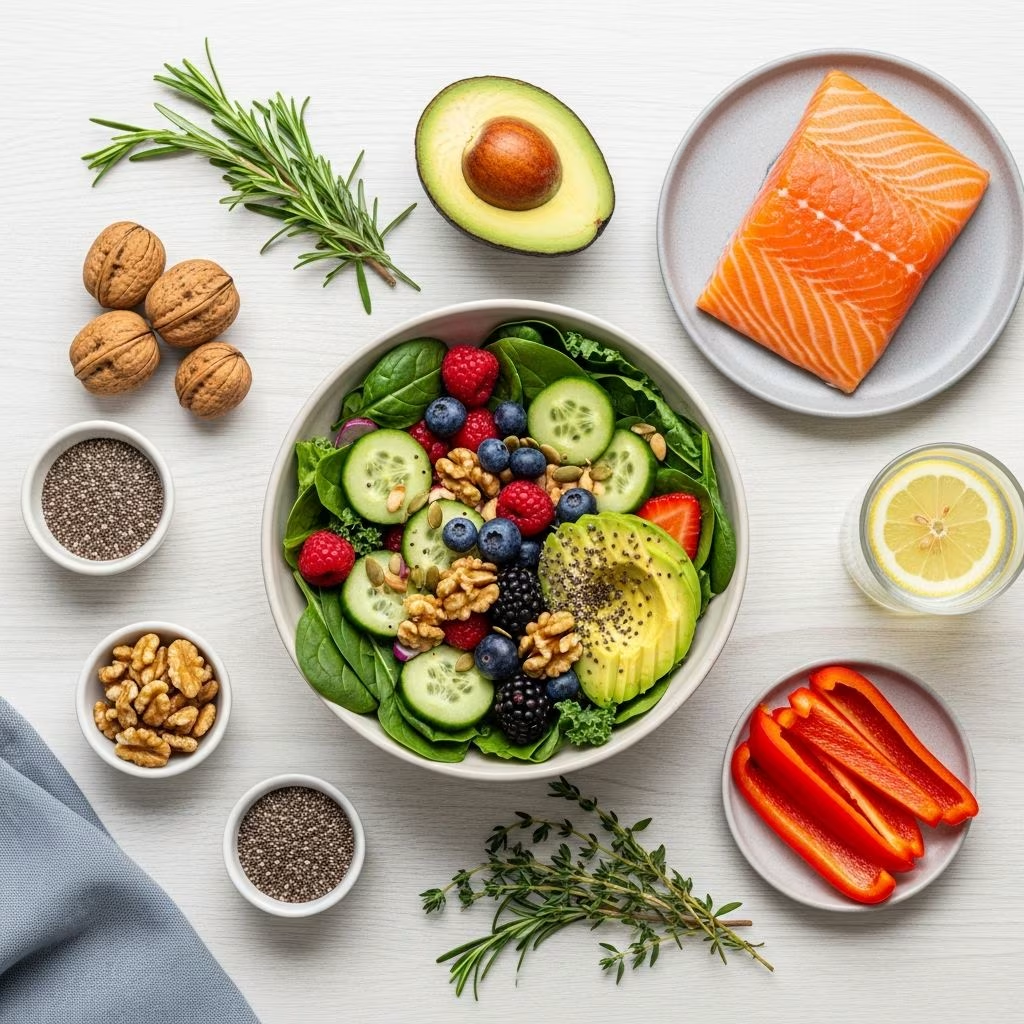
Rich in fish, olive oil, vegetables, fruits, and leafy greens, this diet supplies omega-3s that suppress inflammation. Studies link it to symptom relief, with 48.4% of patient-reported improvements. It promotes weight loss, crucial for obese patients where even modest reductions improve PASI scores.
Gluten-Free Diet
Beneficial for 35.6% of surveyed patients (52.9% improvement rate), especially those with anti-gliadin antibodies. RCTs show psoriasis clearance in gluten-sensitive subsets. Avoid wheat, barley, rye; opt for rice, quinoa, certified gluten-free oats.
Paleolithic Diet
Emphasizing lean meats, fish, fruits, vegetables, and nuts while excluding grains, dairy, and processed foods, it yielded 68.9% positive responses. Mimics ancestral eating, reducing modern inflammatory triggers.
Pagano Diet
Focuses on alkaline foods: 70-80% fruits/vegetables, minimal nightshades, dairy, junk. A case series reported lesion clearance in all five patients after six months. 72.2% patient success rate.
Vegan and Vegetarian Diets
Vegan (70% improvement) and vegetarian (40.4%) diets cut animal products, reducing arachidonic acid-derived pro-inflammatory eicosanoids. Fasting followed by vegetarian phases showed benefits in observational studies.
Foods to Avoid with Psoriasis
- Alcohol: 53.8% reported improvement post-reduction; worsens flares via liver inflammation and dehydration.
- Sugar and Refined Carbs: Psoriasis patients already consume less, but high intake triggers cytokines; linked to skin inflammation in studies.
- Red Meat and Processed Meats: High in arachidonic acid, promoting inflammation; non-white patients noted stronger benefits from avoidance.
- Dairy: Lower consumption in patients; potential IgG-mediated reactions.
- Nightshades (Tomatoes, Peppers, Eggplant, Potatoes): 52.1% improvement; contain solanine, possibly irritating gut-skin axis.
- Gluten: Triggers in sensitive individuals.
- Saturated Fats and Fried Foods: Exacerbate systemic inflammation.
Foods That Help Psoriasis
- Fruits and Vegetables: Higher intake correlates with milder symptoms; antioxidants combat oxidative stress. Berries, leafy greens top lists.
- Fatty Fish (Salmon, Mackerel): Omega-3s reduce symptoms in 15 trials; 44.6% patient improvement.
- Omega-3 Supplements/Fish Oil: Moderate evidence for PASI reduction.
- Vitamin D-Rich Foods (Fortified, Fatty Fish) or Supplements: 41% improvement; low levels common in psoriasis.
- Probiotics: Support gut health, potentially reducing leaky gut-linked flares.
- Legumes and Whole Foods: Provide fiber, contrasting low whole grain intake in patients.
Sample Psoriasis Diet Meal Plan
A 7-day anti-inflammatory plan emphasizes whole foods, omega-3s, and trigger avoidance. Adjust portions for calorie needs; aim for weight management.
| Day | Breakfast | Lunch | Dinner | Snacks |
|---|---|---|---|---|
| Monday | Berry smoothie with spinach, almond milk, chia seeds | Quinoa salad with chickpeas, cucumber, olive oil dressing | Grilled salmon, steamed broccoli, sweet potato | Apple slices with almond butter |
| Tuesday | Oatmeal (gluten-free) with berries, walnuts | Lentil soup, mixed greens salad | Baked chicken, asparagus, brown rice | Carrot sticks, hummus |
| Wednesday | Green smoothie: kale, banana, flaxseeds | Tuna salad (olive oil base) on lettuce wraps | Stir-fried tofu, bell peppers (if tolerated), quinoa | Handful of nuts |
| Thursday | Chia pudding with coconut milk, kiwi | Turkey lettuce wraps, avocado, tomato-free salsa | Mackerel, zucchini noodles, olive oil | Yogurt (dairy-free) with seeds |
| Friday | Avocado on gluten-free toast, poached eggs | Bean salad with arugula, lemon vinaigrette | Grilled shrimp, kale sauté, butternut squash | Pear, cheese alternative |
| Saturday | Smoothie bowl: mango, spinach, hemp seeds | Sardines on cucumber slices, side salad | Veggie stir-fry (no nightshades), tempeh | Celery with nut butter |
| Sunday | Buckwheat porridge, blueberries | Chickpea curry (tomato-free), cauliflower rice | Baked cod, Brussels sprouts, wild rice | Mixed berries |
This plan incorporates Mediterranean elements, gluten-free options, and high produce. Hydrate with water; limit to 1-2 coffees daily if caffeine-sensitive.
Supplements for Psoriasis
- Omega-3 (EPA/DHA): 1-3g daily; systematic review shows symptom reduction.
- Vitamin D: 1,000-4,000 IU if deficient; 41% improvement.
- Turmeric/Curcumin: Anti-inflammatory; pair with black pepper for absorption.
- Probiotics: Multi-strain for gut-skin axis.
Supplements complement, not replace, medical treatments. Test levels first.
Frequently Asked Questions (FAQs)
Can diet cure psoriasis?
No, but it can reduce severity and flares. Combine with topicals, biologics.
Is gluten-free effective for everyone?
Best for gluten-sensitive (52.9% response); test antibodies.
How quickly do dietary changes work?
Weeks to months; track symptoms. Weight loss accelerates benefits.
Should I avoid all dairy?
Many patients consume less with benefits; trial elimination.
Is alcohol a major trigger?
Yes, 53.8% improved after reduction; limit or abstain.
What’s the role of weight loss?
Strongest evidence; even 5-10% reduction improves symptoms in obese patients.
Disclaimer: Consult a healthcare provider before dietary overhauls, especially with psoriatic arthritis or medications. Individual responses vary.
References
- Dietary Behaviors in Psoriasis: Patient-Reported Outcomes — National Library of Medicine (NIH). 2017-05-26. https://pmc.ncbi.nlm.nih.gov/articles/PMC5453925/
- Keeping an eye on food could help with psoriasis — UCLA Health. Accessed 2026. https://www.uclahealth.org/news/article/keeping-an-eye-on-food-could-help-with-psoriasis
- Diet Modifications — National Psoriasis Foundation. Accessed 2026. https://www.psoriasis.org/dietary-modifications/