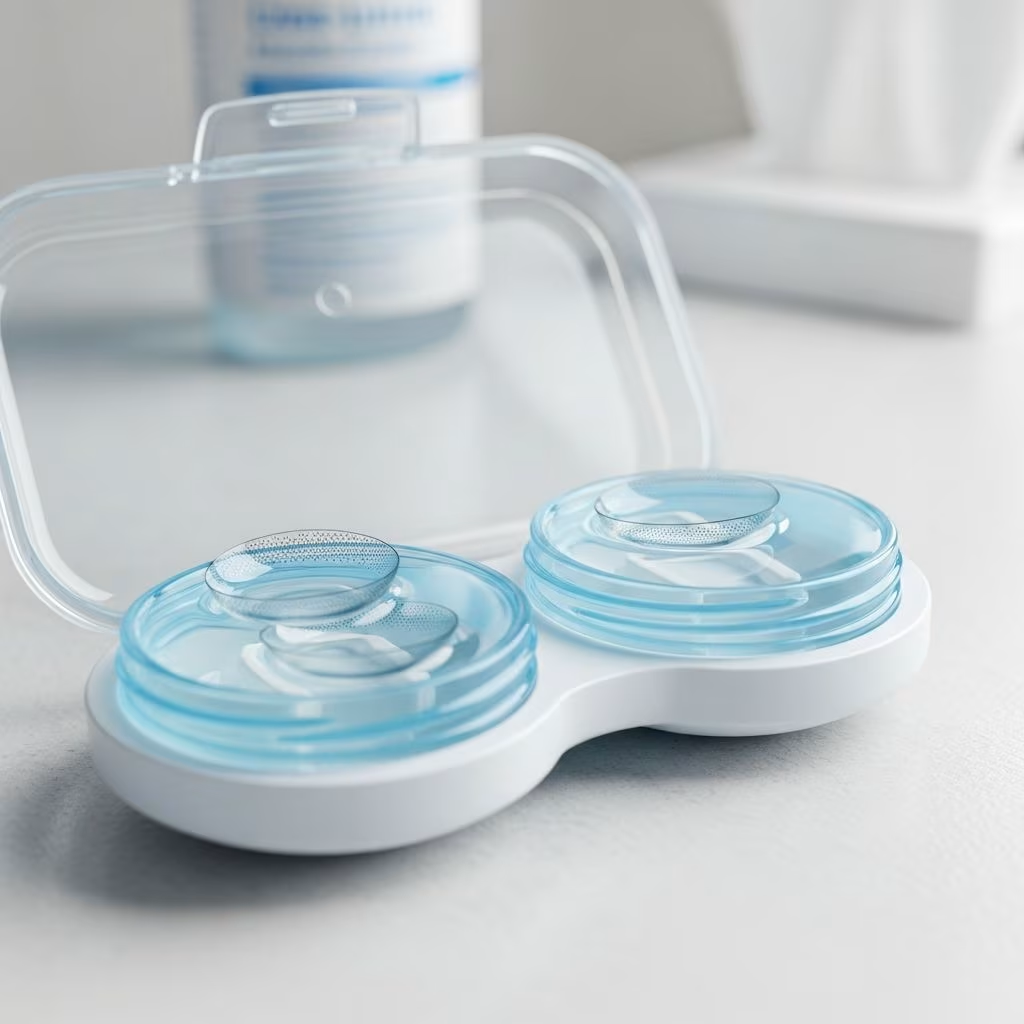
Rigid gas permeable (RGP) contact lenses require specific storage practices to maintain their integrity and prevent eye health risks. The best approach for long-term storage of unused RGP lenses is dry storage in a clean case, as solutions can harbor bacteria over time, while regular users benefit from fresh conditioning solutions nightly.
Understanding RGP Contact Lenses
RGP lenses, also known as gas permeable lenses, are crafted from durable, oxygen-permeable plastics that offer superior clarity, especially for astigmatism or irregular corneas. Unlike early hard lenses made from non-permeable PMMA, modern RGP designs incorporate silicone for better comfort and breathability, introduced in the late 1970s. These lenses resist protein buildup better than soft varieties and can last up to a year with proper care.
While they demand an adaptation period—often weeks of gradual wear—RGP lenses provide crisp vision and longevity. Daily removal for cleaning is mandatory to avoid complications like infections or clouding from debris.
Why Proper Storage Matters for RGP Lenses
Incorrect storage can lead to bacterial growth, lens warping, or deposit accumulation, increasing risks of serious eye infections. The CDC emphasizes distinct care regimens for RGP lenses, separate from soft lens products, to ensure safety. Long-term wet storage risks solution contamination, while dry storage preserves lens shape without moisture-related degradation.
- Prevents microbial growth: Fresh solutions or dry methods minimize bacteria.
- Maintains lens durability: Avoids scratches or protein traps.
- Ensures quick reuse: Proper prep allows safe reinsertion.
Dry Storage: Ideal for Long-Term Preservation
For RGP lenses not in regular use, dry storage is recommended. Clean lenses thoroughly, then air-dry them in their case to eliminate moisture that fosters contaminants.
- Rub lenses with a dedicated cleaner like Boston Advance for 30 seconds per side.
- Rinse with saline solution.
- Place in a sterile case and allow to dry completely in a cool, dark spot.
Before reuse, soak in wetting or conditioning solution overnight to restore comfort and tear film spread. This method suits backups or travel storage, with monthly checks advised to inspect for dust.
Wet Storage: Best for Frequent Wearers
Daily users should store RGP lenses wet in fresh conditioning solution, changed nightly. Products like Boston Simplus or Unique pH serve as multi-purpose cleaners, disinfectants, and storage aids.
| Method | Solution Type | Frequency | Best For |
|---|---|---|---|
| Wet Storage | Conditioning (e.g., Boston Advance) | Daily change | Regular wearers |
| Dry Storage | None (air dry) | Long-term | Unused lenses |
| Disinfection | Hydrogen peroxide or multi-purpose | After cleaning | All users |
Always rinse cases with saline post-use and air-dry to prevent residue buildup, replacing cases every three months.
Step-by-Step Cleaning Routine Before Storage
Cleaning immediately after removal prevents debris hardening. Follow this process:
- Wash hands: Use soap and dry thoroughly.
- Remove lenses: Use blink-pull or suction method for RGP.
- Clean: Apply cleaner, rub both sides gently for 30 seconds.
- Rinse: Use sterile saline, never tap water.
- Disinfect: Soak in approved solution like Boston Simplus.
- Store: In fresh conditioning solution or dry as needed.
For weekly case maintenance, scrub with a dedicated brush and saline, then dry.
Handling and Removal Techniques
RGP lenses’ rigidity aids handling but requires precision. Primary removal: Blink while pulling the lens edge. Alternatives include a wetted suction holder for stubborn lenses.
- Inspect for edge damage or deposits before storage.
- Avoid touching inner surfaces.
- Store right lens right, left lens left.
Common Storage Mistakes to Avoid
Errors like using soft lens solutions on RGP or topping off old solution invite infections. Never mix lens types’ products, as per CDC guidelines. Dusty environments can cloud lenses; store away from smoke.
| Mistake | Risk | Solution |
|---|---|---|
| Using tap water | Bacteria entry | Sterile saline only |
| Infrequent case changes | Biofilm buildup | Replace every 3 months |
| Long-term wet storage | Solution contamination | Switch to dry |
| Skipping disinfection | Infection | Daily soak |
Preparing Stored Lenses for Reuse
Dry-stored RGP need rehydration: Soak overnight in conditioning solution. Wet-stored ones require rubbing, rinsing, and fresh solution soak. Insert only after confirming clarity and edge integrity.
RGP vs. Other Lens Types: Storage Comparison
RGP differ markedly from soft or hybrid lenses.
| Lens Type | Storage Method | Durability | Comfort Adaptation |
|---|---|---|---|
| RGP | Dry (long-term), Wet (daily) | High (1+ year) | Weeks |
| Soft | Wet always | Low (bi-weekly) | Immediate |
| Hybrid | Wet | Medium | Moderate |
| Scleral (no coating) | Dry | High | Varies |
RGP excel in clarity and ease of care but lag initial comfort.
Troubleshooting Storage Issues
Cloudy lenses signal trapped proteins or scratches—clean rigorously or consult an optometrist. Overwear causes fogging; rest eyes periodically.
FAQs on RGP Lens Storage
Q: Can I store RGP lenses in water?
A: No, use only approved solutions or dry methods to avoid Acanthamoeba risks.
Q: How often replace storage case?
A: Every 3 months or if damaged.
Q: Dry or wet for vacation storage?
A: Dry for weeks+; wet for short breaks with monthly checks.
Q: Best solutions for RGP?
A: Boston Simplus, Unique pH, or Tangible Clean.
Q: Signs lenses need replacement?
A: Persistent clouding, discomfort, or scratches despite cleaning.
Long-Term Maintenance Tips
Regular optometrist visits ensure prescription fit. Wear consistently for adaptation. Store in cool, dark places away from heat or pets. These practices extend RGP life and safeguard vision.
References
- Storing RGP lenses dry | Feel Good Contacts — Feel Good Contacts. 2023. https://www.feelgoodcontacts.ie/eye-care-hub/contact-lenses/storing-rgp-lenses-dry
- How to Store Your Specialty Contact Lenses Long-Term — Your Eyes in Focus. 2023. https://youreyesinfocus.com/post/how-to-store-your-contact-lenses-for-the-long-term/
- How to Store Contact Lenses — Total Vision Diamond Bar. 2024. https://drbladh.com/how-to-store-contact-lenses/
- Care of your rigid gas permeable contact lenses — Royal Berkshire NHS. 2025-01. https://www.royalberkshire.nhs.uk/media/1o2df2fk/rigid-gas-permeable-contact-lens-care_jan25.pdf
- Care of your rigid gas permeable contact lenses — Moorfields Eye Hospital NHS. 2024. https://www.moorfields.nhs.uk/for-patients/visual-aids/contact-lenses/care-of-your-rigid-gas-permeable-contact-lenses
- About Cleaning, Disinfecting, and Storing Contact Lenses — Centers for Disease Control and Prevention (CDC). 2024. https://www.cdc.gov/contact-lenses/about/about-cleaning-disinfecting-and-storing-contact-lenses.html