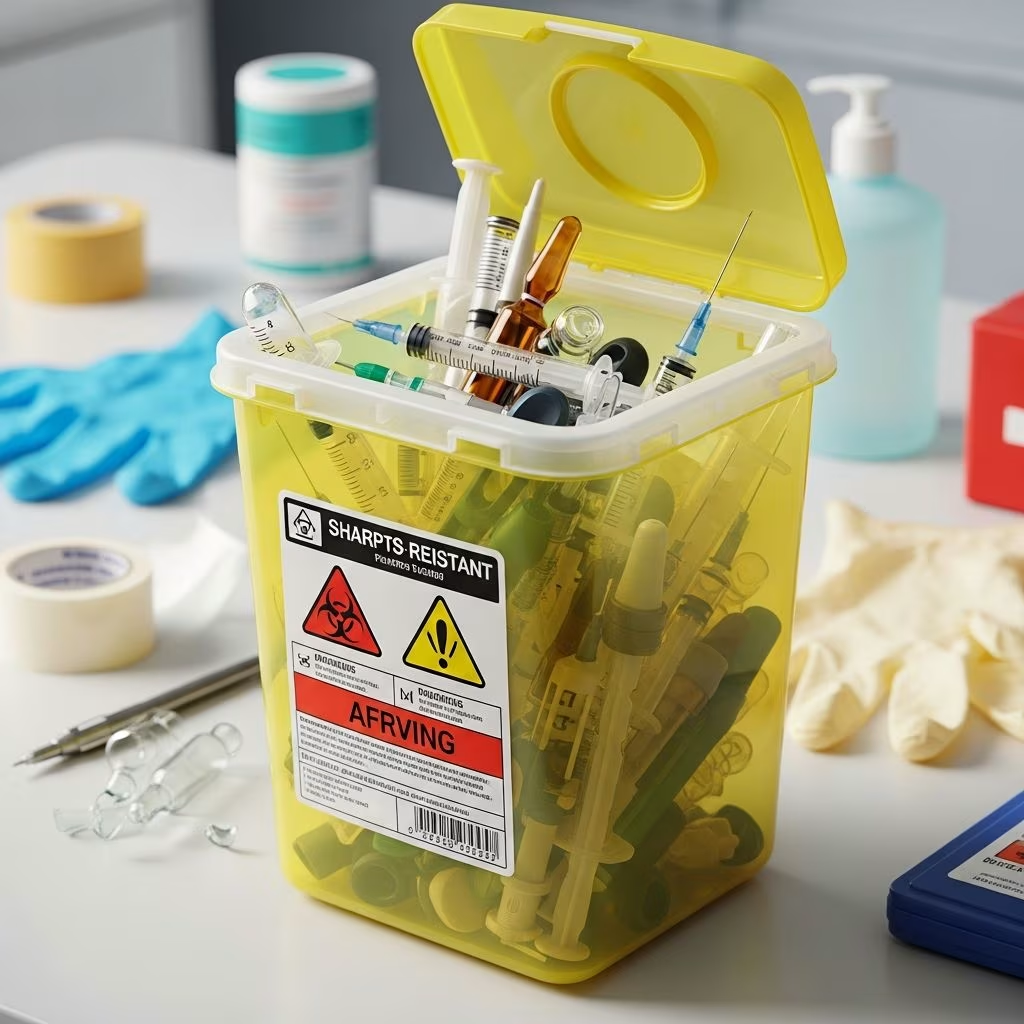
Proper management of sharps—such as needles, syringes, lancets, and blades—is crucial to prevent injuries, infections, and environmental harm. These items, used in medical treatments like insulin injections or vaccinations, pose risks if mishandled. This guide outlines best practices for safe disposal across settings, drawing from established health authority recommendations.
Understanding Sharps and Associated Risks
Sharps refer to any medical device with a sharp edge or point capable of cutting or piercing skin, including hypodermic needles, scalpels, and broken glass from lab equipment. In healthcare and home settings, they can carry bloodborne pathogens like hepatitis B, hepatitis C, or HIV, leading to serious infections upon accidental sticks.
Annually, millions of needlestick injuries occur globally, many preventable through correct disposal protocols. Risks escalate in homes where individuals self-administer medications, vaccination sites during outbreaks, or busy clinics with high sharps volume. Beyond health threats, improper disposal contaminates landfills and endangers waste workers.
- Bloodborne diseases: Transmission via contaminated sharps.
- Physical injuries: Cuts and punctures causing pain and disability.
- Environmental impact: Hazardous waste leaching into water systems.
Types of Sharps Containers and Color Coding
Selecting the right container is the first step in safe disposal. Approved containers must be puncture-resistant, leak-proof, rigid-sided, and clearly labeled. Color coding helps segregate waste based on hazard level.
| Color | Type | Contents | Disposal Method |
|---|---|---|---|
| Yellow | Standard Sharps | Infectious sharps, used needles from routine care | Treatment or incineration |
| Blue | Medicinal/Non-Infectious | Sharps with pharmaceutical residues, non-hazardous meds | Specialized treatment |
| Purple | Cytotoxic/Cytostatic | Chemotherapy needles, toxic drug sharps | High-temperature incineration |
| Red/Orange | Alternative (some regions) | Local biohazard waste | Follow regional rules |
Use containers matching your local waste management system’s coding to ensure proper processing. For example, yellow bins handle general clinical sharps, while purple ones are reserved for oncology treatments.
Step-by-Step Safe Handling Procedures
Minimize exposure by following these protocols immediately after use.
- Do not recap or manipulate: Avoid bending, breaking, or recapping needles to prevent slips.
- Place directly into container: Drop sharps at the point of use, keeping hands at least 10 cm from the opening.
- Wear PPE: Gloves and eye protection during handling high-risk items.
- Position containers wisely: Arm’s reach, 1-1.3m off ground, away from traffic and children.
- Never overfill: Stop at the fill line (usually 3/4 full) to avoid spills.
In clinics, assign clear roles for container management, including assembly and transport. Display instructions visibly near usage areas.
Placement and Storage Best Practices
Strategic placement reduces accidents. In patient rooms, position bins within easy reach but secure from unauthorized access. For home use, mount on walls at eye level, locked if children or pets are present.
- Secure lids when unattended.
- Label with start date, location, and responsible person.
- Store full bins in designated, locked areas until collection.
Transport full containers in rigid, secondary holders to prevent tipping. Reusable options, disinfected by licensed services, conserve resources during shortages.
Home Disposal Guidelines for Individuals
People managing chronic conditions like diabetes generate significant sharps waste at home. FDA-cleared containers are ideal; alternatives include heavy-duty laundry detergent bottles if unavailable.
DOs:
- Use puncture-proof plastic containers with tight lids.
- Seal and label before disposal.
- Contact pharmacies or local health departments for free or low-cost bins.
- Check insurer coverage for supplies.
- Throw loose sharps in household trash or recycling.
- Flush down toilets.
- Leave exposed on counters.
- Training staff on standard infection control precautions (SICPs).
- Auditing container usage and fill rates.
- Segregating waste streams at generation point.
- Health service hotlines for collection schedules.
- Pharmacy return programs.
- Community sharps amnesty days.
- Safe use of sharps in healthcare settings — Health Service Executive (HSE). 2023. https://healthservice.hse.ie/staff/health-and-safety/safe-use-of-sharps/
- GP 17 Safe disposal of waste, including sharps — Infection Prevention Control. 2023-11. https://www.infectionpreventioncontrol.co.uk/wp-content/uploads/2023/12/GP-17-Safe-disposal-of-waste-including-sharps-November-2023-Version-3.00-1.pdf
- Strategies for Sharps Disposal Container Use During Shortages — CDC/NIOSH. 2023. https://www.cdc.gov/niosh/healthcare/hcp/pandemic/sharps-disposal-containers-shortages.html
- DOs and DON’Ts of Proper Sharps Disposal — FDA. 2023. https://www.fda.gov/medical-devices/safely-using-sharps-needles-and-syringes-home-work-and-travel/dos-and-donts-proper-sharps-disposal
- Sharps Management Guideline — Dubai Healthcare City. 2023. https://www.dhcc.ae/gallery/Sharps%20Management%20Guideline.pdf
- Sharps Disposal – A Comprehensive Guide — PHS Group. 2023. https://www.phs.co.uk/resources/sharps-disposal-a-comprehensive-guide/
DON’Ts:
Many communities offer mail-back programs or drop-off sites at hospitals. Verify local rules via health department websites.
Healthcare Facility Protocols
In professional settings, integrate sharps management into infection control policies. Conduct regular risk assessments, especially for high-volume areas like vaccination centers.
Key elements include:
For reusable sharps like surgical tools, use lidded, decontaminated transporters. Partner with certified waste contractors for pickup.
Common Errors and Prevention Strategies
Avoid pitfalls that lead to 80% of preventable injuries.
| Error | Risk | Prevention |
|---|---|---|
| Overfilling bins | Spills, sticks | Monitor fill lines strictly |
| Improper storage | Access by public | Lock and elevate |
| Mixing waste types | Contamination | Color-code and train |
| Delayed disposal | Accumulation hazards | Immediate drop-in |
Implement checklists and signage to reinforce habits.
Regulatory Compliance and Community Resources
Regulations vary: OSHA in the US mandates puncture-proof containers; EU directives emphasize segregation. Always consult state-specific sites like SafeNeedleDisposal.org.
Free resources:
FAQ
What if I don’t have a sharps container?
Use a sturdy household bottle like a detergent jug: label “Sharps—Do Not Recycle,” fill halfway, tape shut, and dispose per local hazardous waste rules.
How do I handle a needlestick injury?
Wash with soap/water, apply antiseptic, report to supervisor/doctor for testing and post-exposure prophylaxis if needed.
Are lancets considered sharps?
Yes, all blood glucose testing devices must go in sharps bins.
Can I reuse sharps containers?
Only if FDA/OSHA-approved as reusable and processed by licensed services.
What about travel with sharps?
Carry in secure case, inform security, dispose at destination per local guidelines.
Training and Education for Long-Term Safety
Effective programs reduce incidents by 50%. Cover handling, disposal, and emergency response in annual sessions. Use worked examples for risk assessments in specific areas like housekeeping or phlebotomy.
Expand knowledge with official guides on sharps injury prevention. Empower communities through awareness campaigns targeting high-risk groups.
References