
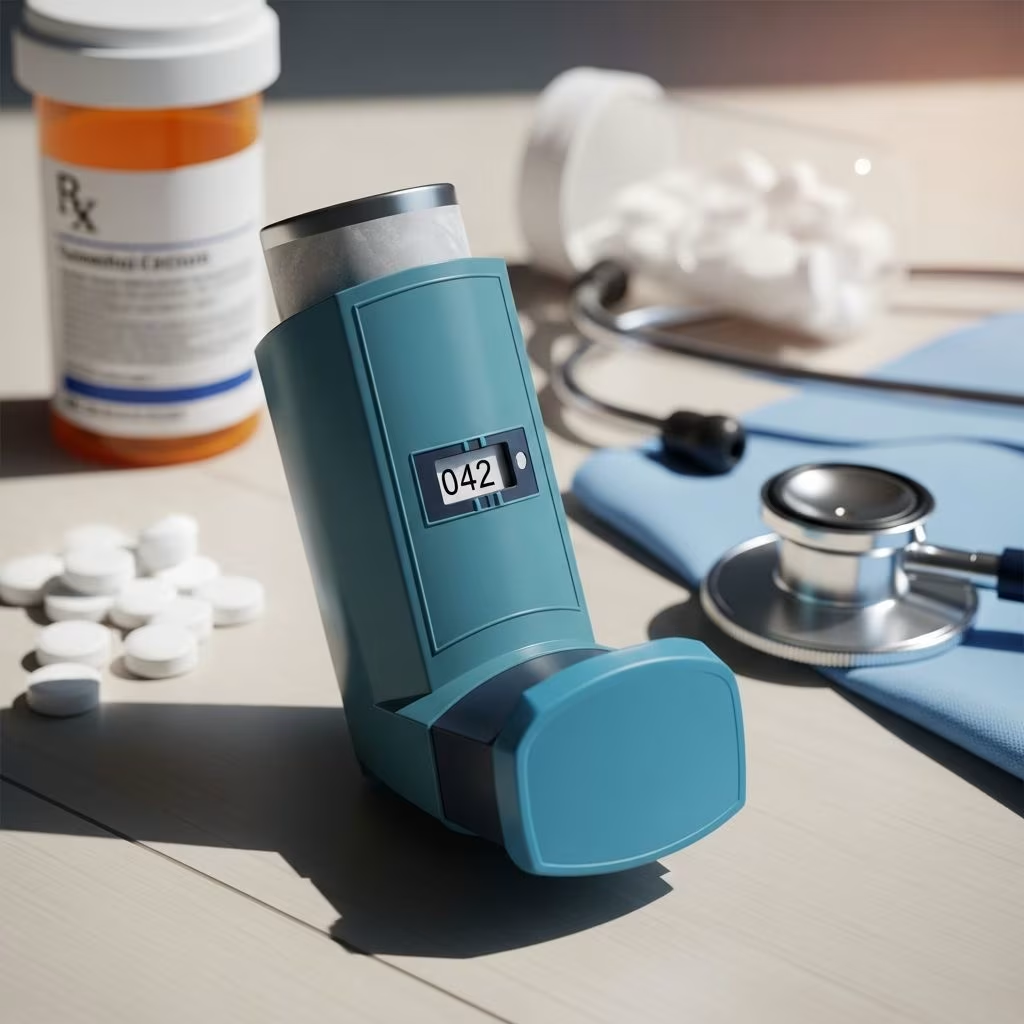
Salmeterol is a long-acting beta-2 agonist bronchodilator delivered via inhalation to manage persistent symptoms of asthma and chronic obstructive pulmonary disease (COPD). It relaxes airway muscles for up to 12 hours, improving airflow and reducing exacerbations when used as directed.
Understanding Salmeterol’s Role in Respiratory Care
This medication targets chronic breathing difficulties by preventing bronchoconstriction rather than providing immediate relief during acute attacks. Patients with reversible obstructive airway diseases benefit most, as it maintains open airways over extended periods.
In asthma management, salmeterol combines with inhaled corticosteroids to control inflammation and spasms in adults and children over 4 years. For COPD, including emphysema and chronic bronchitis, it maintains lung function and curbs flare-ups.
How Salmeterol Works in the Lungs
Salmeterol stimulates beta-2 adrenoceptors on bronchial smooth muscle cells, triggering relaxation and bronchodilation. Its unique molecular structure features a saligenin head that binds the active site and a lipophilic tail that anchors to an exo-site on the receptor, ensuring prolonged action without frequent dosing.
This dual-binding mechanism distinguishes it from short-acting agonists, providing steady symptom control. Airflow increases as narrowed passages widen, easing exhalation and reducing trapped air in the lungs.
Primary Medical Indications
- Asthma Maintenance: Long-term control alongside steroids to prevent wheezing, dyspnea, cough, and chest tightness.
- COPD Maintenance: Daily use to sustain bronchodilation and minimize exacerbation frequency.
- Exercise-Induced Bronchospasm: Pre-exercise dosing prevents symptoms in susceptible individuals.
Never rely on salmeterol for sudden asthma worsening; use short-acting rescue inhalers instead.
Available Formulations and Dosage Guidelines
Salmeterol comes as a dry powder inhaler (DPI) like Serevent Diskus or in fixed-dose combinations with fluticasone (e.g., Advair). Standard strengths include 50 mcg per inhalation.
| Condition | Age Group | Dosage | Frequency |
|---|---|---|---|
| Asthma (with ICS) | Adults >12 years | 1 inhalation (50 mcg) | Every 12 hours |
| Asthma (with ICS) | 4-11 years | 1 inhalation (50 mcg) | Every 12 hours |
| COPD | Adults | 1 inhalation (50 mcg) | Every 12 hours |
| Exercise-Induced | Adults >4 years | 1 inhalation (50 mcg) | 30 minutes before exercise |
Space doses 12 hours apart; maximum 2 inhalations daily. Combinations like fluticasone/salmeterol (250/50 mcg) follow similar regimens for COPD.
Step-by-Step Inhaler Use Instructions
- Shake inhaler if required (not for DPIs).
- Exhale fully away from device.
- Seal lips around mouthpiece; inhale steadily and deeply.
- Hold breath 5-10 seconds, then exhale slowly.
- Rinse mouth with water post-use to prevent thrush, especially with combinations.
Prime new devices per package instructions. Clean weekly with dry cloth; avoid water immersion for DPIs.
Common Adverse Reactions
Most effects are mild and transient, affecting the respiratory and nervous systems.
- Headache
- Tremor or shakiness
- Nervousness
- Cough or throat irritation
- Nasal congestion
- Musculoskeletal pain
Less frequent: insomnia, dizziness, dry mouth, heartburn.
Serious Risks and Warnings
Asthma-Related Deaths: Monotherapy increases mortality risk; always pair with corticosteroids. LABA black box warning applies.
Cardiovascular Effects: Tachycardia, palpitations, hypertension possible, especially in heart disease patients.
Paradoxical Bronchospasm: Acute wheezing post-inhalation requires immediate cessation and alternate therapy.
Glaucoma/Cataracts: Long-term use with steroids may elevate intraocular pressure; monitor vision.
Other concerns: hypokalemia, hyperglycemia, immune suppression in combinations.
Overdose Symptoms and Management
Excess intake amplifies beta-agonist effects: severe tremor, tachycardia, hypokalemia, seizures, metabolic acidosis.
- Seek emergency care.
- Symptom relief: IV fluids, electrolytes, cardioselective beta-blockers if needed.
- Cardiac monitoring essential.
No specific antidote; supportive care predominates.
Key Contraindications and Precautions
Avoid in acute bronchospasm or without concurrent steroids in asthma.
| Condition | Risk | Recommendation |
|---|---|---|
| Heart arrhythmias | Worsening | Caution; monitor |
| Hyperthyroidism | Exacerbation | Cautious use |
| Seizure disorder | Increased risk | Monitor closely |
| Diabetes | Hyperglycemia | Blood sugar checks |
| Active infections | Worsening (with combos) | Assess first |
Pregnancy category C; use if benefits outweigh risks. Caution in pediatrics under 4 years.
Medication Interactions
- Beta-blockers: Antagonize effects; use cardioselective if necessary.
- MAOIs/TCAs: Potentiate cardiovascular actions.
- Diuretics/Xanthines: Additive hypokalemia.
- Ketoconazole: Increases salmeterol levels.
Inform providers of all drugs, including OTC.
Special Populations: Pediatrics, Elderly, Pregnancy
Children: Approved from 4 years; monitor growth with long-term steroids.
Elderly: Higher sensitivity to tremors, cardiac effects; dose conservatively.
Pregnancy/Lactation: Limited data; use for severe cases. Minimal excretion in milk.
Lifestyle Integration and Monitoring
Track peak flow, symptoms, rescue use. Annual eye exams for combo users. Quit smoking to enhance efficacy. Vaccinate against flu/pneumonia.
Report worsening dyspnea, infections, vision changes promptly.
Frequently Asked Questions
Can salmeterol be used alone for asthma?
No, increased death risk mandates corticosteroid pairing.
What if I miss a dose?
Take soon as remembered; skip if near next. Never double.
Does it interact with alcohol?
No direct interaction, but dizziness may compound impairment.
How long until it works?
Onset ~15 minutes; full effect in 3-4 hours, lasts 12.
Is it safe long-term?
Yes for indicated uses; regular physician oversight required.
Patient Resources and Next Steps
Consult pharmacists for technique demos. Join support groups for COPD/asthma. Adherence improves outcomes; discuss barriers openly.
References
- Salmeterol Oral Inhalation: MedlinePlus Drug Information — National Library of Medicine. 2023. https://medlineplus.gov/druginfo/meds/a695001.html
- Salmeterol: Uses, Interactions, Mechanism of Action — DrugBank Online. 2024-01-15. https://go.drugbank.com/drugs/DB00938
- Fluticasone and salmeterol (inhalation route) — Mayo Clinic. 2023-11-01. https://www.mayoclinic.org/drugs-supplements/fluticasone-and-salmeterol-inhalation-route/description/drg-20063110
- Advair (fluticasone / salmeterol): Uses, Side Effects — GoodRx. 2024. https://www.goodrx.com/fluticasone-salmeterol/what-is
- Salmeterol – StatPearls — NCBI Bookshelf. 2023-07-17. https://www.ncbi.nlm.nih.gov/books/NBK557453/
- Salmeterol Dry Powder Inhaler (DPI) — Cleveland Clinic. 2023. https://my.clevelandclinic.org/health/drugs/18214-salmeterol-dry-powder-inhaler-dpi