What is scalp folliculitis?
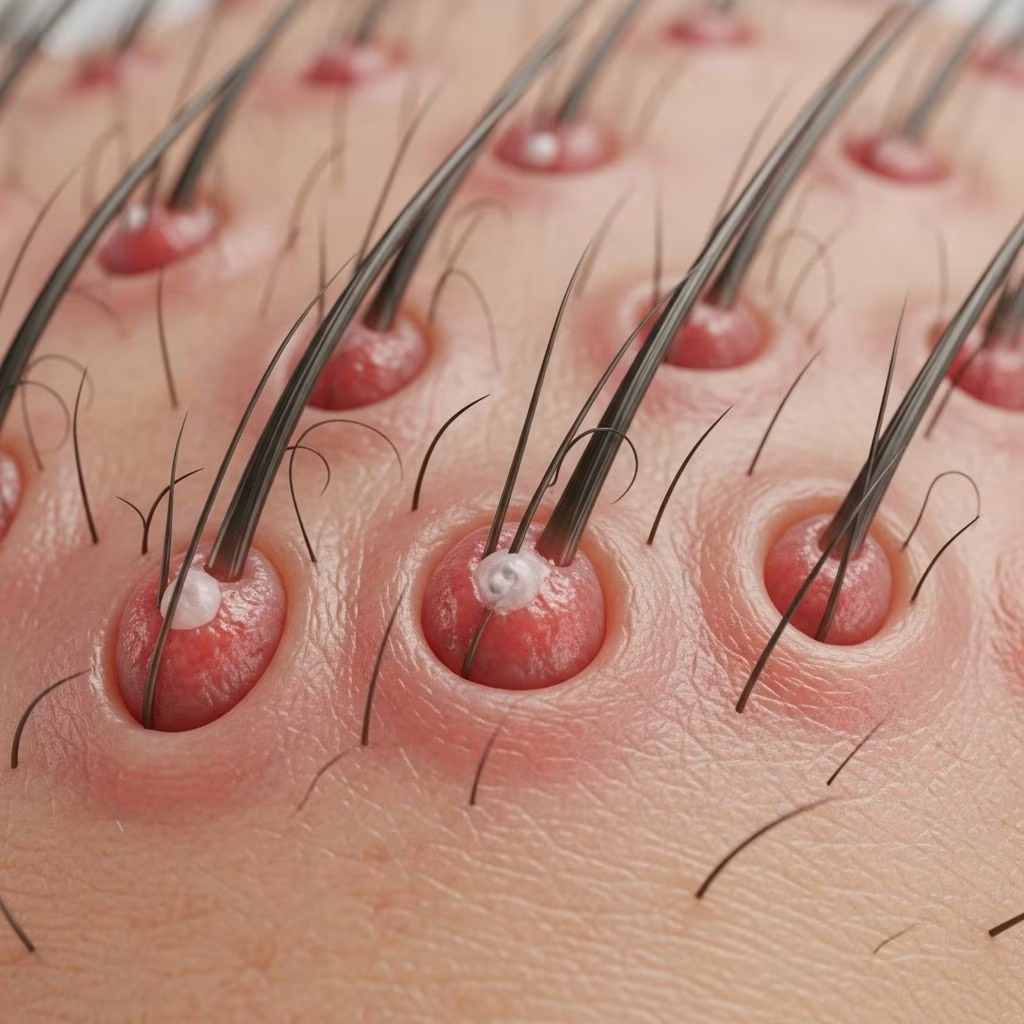
Scalp folliculitis, also known as folliculitis decalvans in its scarring form, is a common inflammatory dermatosis affecting the hair follicles on the scalp. It manifests as small itchy pustules or papules around hair follicles that may expand to form erosions and scale crusts. This condition primarily affects adults, particularly males aged 20–40 years, though it can occur in anyone.
The inflammation targets the upper portion of the hair follicle (superficial folliculitis) or extends deeper, leading to more severe presentations. Without intervention, it can progress to scarring alopecia, resulting in permanent hair loss in patchy areas.
Who gets scalp folliculitis?
Scalp folliculitis predominantly affects adults, with a higher incidence in men between 20 and 40 years old. It is more common in individuals with dense, coiled, or curly hair, as these hair types are prone to ingrown hairs that exacerbate inflammation.
- Men are affected more often than women due to grooming practices like close shaving.
- Those with weakened immune systems, such as people with HIV/AIDS, diabetes, or on long-term antibiotics, are at higher risk.
- Individuals engaging in frequent scalp friction from tight hairstyles, helmets, or excessive rubbing are susceptible.
What causes scalp folliculitis?
The exact cause remains unclear but is generally attributed to an inflammatory reaction to hair follicle components, particularly microorganisms. Common triggers include:
- Bacterial infections: Staphylococcus aureus is the most frequent culprit, cultured from pustules in many cases.
- Fungal/yeast infections: Malassezia species or other fungi like those causing hot tub folliculitis.
- Physical damage: Shaving, waxing, tight ponytails, or ingrown hairs that block follicles.
- Other factors: Occlusive products (oils, wigs), hyperhidrosis, medications (corticosteroids, chemotherapy), or unmaintained hot tubs.
In severe forms like perifolliculitis capitis abscedens et suffodiens (dissecting cellulitis), a mix of bacterial overgrowth and follicular occlusion leads to deep abscesses.
What are the clinical features of scalp folliculitis?
Symptoms typically begin with small red bumps resembling acne along the scalp, progressing to itchy, tender pustules filled with pus. Key clinical features include:
- Early stage: Multiple small follicular pustules and papules (1–5 mm), often itchy or sore.
- Progression: Pustules rupture, forming yellow crusts, erosions, and scaling. Hair tufting (multiple hairs emerging from one follicle) may occur.
- Severe cases: Large nodules, cysts, or boils with pus drainage; temporary hair loss evolving to scarring alopecia with bald patches.
- Symptoms: Intense itching, tenderness, burning; in dissecting cellulitis, fluctuant nodules and sinus tracts form.
Lesions favor the frontal scalp and hairline but can spread centrally.
Diagnosis
Diagnosis is primarily clinical, based on history and scalp examination revealing characteristic pustules around follicles. Dermoscopy may show perifollicular scale and tufted hairs.
To confirm and guide treatment:
- Swabs/cultures: From pustules for bacteria (*S. aureus*), fungi, or yeast.
- Biopsy: Essential for scarring types; shows mixed inflammation, follicular destruction, and possible *S. aureus*.
- Wood lamp/KOH prep: To rule out fungi.
Differential diagnoses include seborrhoeic dermatitis, psoriasis, tinea capitis, acne keloidalis nuchae, and lichen planopilaris.
What is the treatment for scalp folliculitis?
Treatment focuses on reducing inflammation, eradicating microbes, and preventing scarring. Start with hygiene and escalate based on severity.
Mild cases
- Wash scalp daily with mild or antidandruff shampoos (ketoconazole 2%, ciclopirox, selenium sulfide, or tea tree oil) to control yeast/bacteria.
- Topical antibiotics: Fusidic acid gel, clindamycin, erythromycin solution applied twice daily.
- Warm compresses to drain pus and soothe.
- Mild topical steroids (hydrocortisone) or antihistamines for itch.
Moderate to severe cases
- Oral antibiotics: Tetracyclines (doxycycline 100 mg daily), cephalexin, or rifampicin/clindamycin for 4–12 weeks.
- Topical steroids: Potent ones like betamethasone under occlusion, short-term.
- Photodynamic therapy or laser hair removal for persistent follicles.
Refractory/scarring folliculitis (folliculitis decalvans, dissecting cellulitis)
- Isotretinoin: 0.5–1 mg/kg/day for 4–6 months; most effective for resistant cases.
- Dapsone: 50–150 mg/day.
- Intralesional or systemic steroids; compression of nodules.
- Surgical drainage for large abscesses.
Avoid irritants: Stop shaving/oiling scalp temporarily; use clean razors if resuming. Prognosis is good for superficial cases but poor for scarring types without early aggressive therapy.
Complications
Untreated scalp folliculitis can lead to:
- Permanent scarring alopecia and bald patches.
- Deep boils, cellulitis, or secondary infections.
- Postinflammatory hyperpigmentation.
- Chronic recurrence if triggers persist.
Prevention
- Maintain scalp hygiene with regular washing using antifungal shampoos.
- Avoid tight hairstyles, occlusive products, and sharing combs/razors.
- Gently shave with clean, sharp razors; apply warm compresses post-shave.
- Manage underlying conditions like hyperhidrosis or immunosuppression.
Frequently asked questions
Is scalp folliculitis contagious?
No, it is not contagious, but sharing razors or towels can spread infectious agents.
How long does scalp folliculitis last?
Mild cases resolve in 7–10 days with treatment; severe scarring forms may persist months to years.
Can scalp folliculitis cause permanent hair loss?
Yes, in folliculitis decalvans or dissecting cellulitis, scarring leads to irreversible alopecia.
When to see a doctor for scalp folliculitis?
If symptoms persist >2 weeks, worsen, or show scarring/fever; seek dermatologist for biopsy/prescriptions.
Is tea tree oil effective for scalp folliculitis?
It has antifungal/antibacterial properties; use diluted in shampoos for mild cases.
Table: Treatment Options by Severity
| Severity | Treatments |
|---|---|
| Mild | Antifungal shampoos, topical antibiotics, warm compresses |
| Moderate | Oral antibiotics (doxycycline), topical steroids |
| Severe/Scarring | Isotretinoin, dapsone, intralesional steroids |
This comprehensive overview draws from clinical guidelines and recent reviews, emphasizing early intervention to prevent complications. Consult a dermatologist for personalized care.
References
- Scalp folliculitis: Symptoms, pictures, causes, shampoos and creams — Medical News Today. 2023. https://www.medicalnewstoday.com/articles/scalp-folliculitis
- Scalp folliculitis — DermNet NZ. 2024. https://dermnetnz.org/topics/scalp-folliculitis
- Folliculitis – Symptoms & causes — Mayo Clinic. 2024-10-22. https://www.mayoclinic.org/diseases-conditions/folliculitis/symptoms-causes/syc-20361634
- Folliculitis — StatPearls, NCBI Bookshelf (National Library of Medicine). 2023-08-07. https://www.ncbi.nlm.nih.gov/books/NBK547754/
- Scalp Folliculitis: Symptoms, Pictures, Causes, Treatment — Healthline. 2023. https://www.healthline.com/health/folliculitis-scalp
- Folliculitis: Appearance, Causes, Symptoms & Treatment — Cleveland Clinic. 2023-11-15. https://my.clevelandclinic.org/health/diseases/17692-folliculitis