
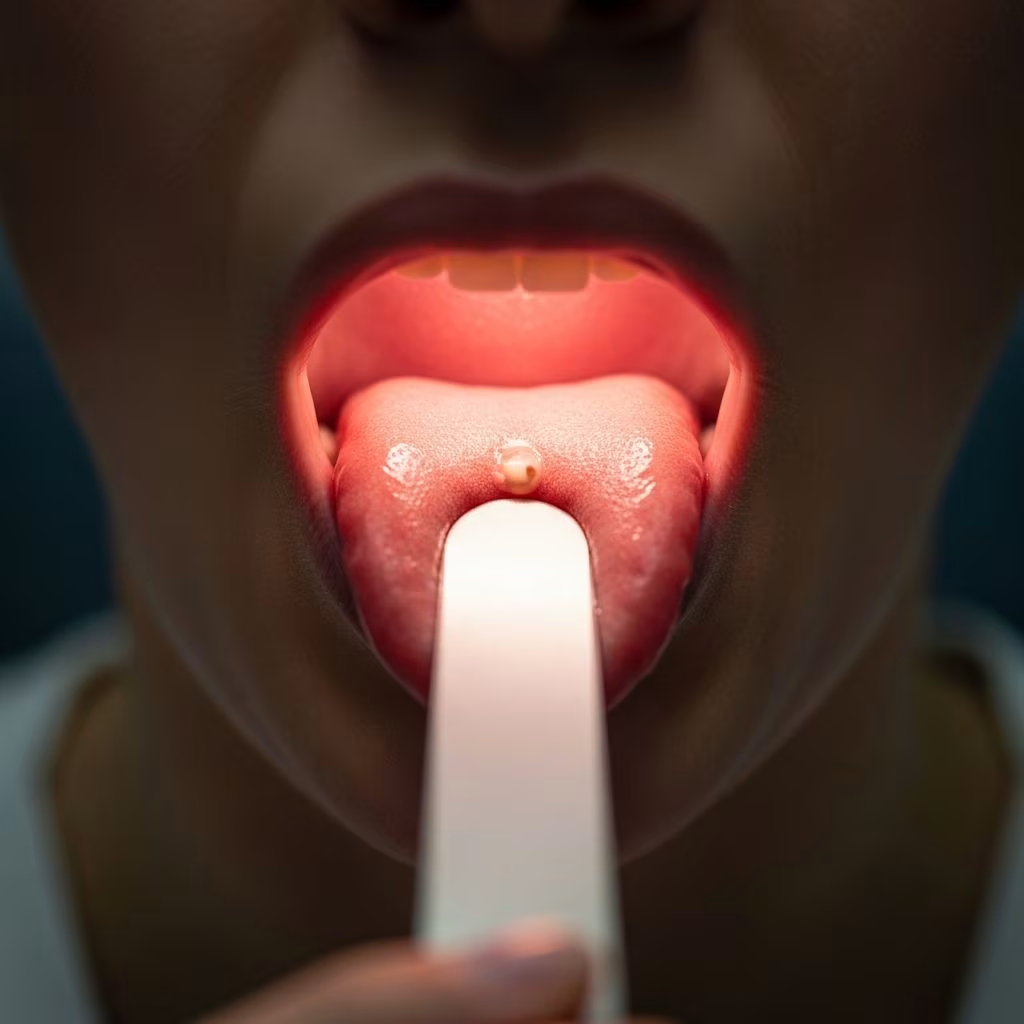
A sore throat, medically known as pharyngitis, involves pain or irritation in the throat that often worsens with swallowing. It ranks among the most frequent health complaints, affecting millions annually. While most cases resolve without intervention, identifying the underlying cause is crucial for appropriate management.
The predominant trigger is viral infections, accounting for the majority of instances, such as those linked to the common cold or flu. Bacterial causes like strep throat are less common but require antibiotics. Other factors include environmental irritants, allergies, and underlying medical conditions.
What Is a Sore Throat?
A sore throat manifests as discomfort, scratchiness, or pain in the pharynx—the back of the mouth and throat. It can stem from inflammation of the pharynx (pharyngitis) or tonsils (tonsillitis). Symptoms typically include a raw sensation, difficulty swallowing, and sometimes fever or swollen glands.
Most sore throats are self-limiting, lasting 3-7 days for viral origins. However, persistent or severe symptoms warrant medical evaluation to rule out bacterial infection or rarer complications.
Common Causes of Sore Throat
Sore throats arise from infectious and non-infectious sources. Viral infections dominate, but bacteria, allergies, and lifestyle factors play significant roles.
Viral Infections
Viruses cause 70-90% of sore throats in adults and even more in children. Common culprits include:
- Common cold: Rhinoviruses lead to mucus production and throat irritation.
- Influenza (flu): Accompanied by fever, body aches, and cough.
- Mononucleosis (mono): Epstein-Barr virus causes prolonged sore throat, fatigue, and lymph node swelling.
- COVID-19: Can present with sore throat alongside respiratory symptoms.
- Other viruses: Measles, chickenpox, and croup (in children, with barking cough).
Viral sore throats develop gradually, often with runny nose, cough, or hoarseness, and resolve without antibiotics.
Bacterial Infections
Bacteria account for 5-15% of cases in adults and up to 30% in children. The primary offender is group A Streptococcus (Streptococcus pyogenes), causing strep throat.
- Symptoms: Sudden onset, high fever (>100°F), severe pain on swallowing, red/swollen tonsils with white patches, tiny red spots on the palate, and tender lymph nodes. No cough distinguishes it from viral.
- Complications if untreated: Rheumatic fever, kidney inflammation, or abscesses.
Diagnosis involves rapid strep test or throat culture. Antibiotics like penicillin are effective but only for confirmed cases to avoid resistance.
Non-Infectious Causes of Sore Throat
Not all sore throats stem from infections. Environmental and lifestyle factors contribute significantly.
Allergies
Allergic reactions to pollen, dust, mold, or pet dander trigger postnasal drip, where mucus irritates the throat. Seasonal allergies exacerbate this during high-pollen periods.
Dry Air and Mouth Breathing
Low humidity from indoor heating or arid climates dries throat tissues, causing scratchiness. Chronic nasal congestion forces mouth breathing, worsening dryness.
Irritants
Exposure to tobacco smoke, secondhand smoke, air pollution, chemicals, dust, or spicy foods inflames the throat mucosa. Chewing tobacco or excessive alcohol heightens risk.
Muscle Strain from Voice Overuse
Yelling at events, prolonged talking, or singing strains throat muscles, leading to soreness similar to post-workout pain.
Gastroesophageal Reflux Disease (GERD)
Stomach acid refluxing into the esophagus irritates the throat, causing chronic soreness, heartburn, hoarseness, or a lump sensation. Nighttime symptoms are common.
Rare but Serious Causes
Less common etiologies demand prompt attention.
- HIV infection: Early flu-like symptoms include sore throat; chronic cases feature recurrent episodes.
- Tumors: Throat, tongue, or laryngeal cancers present with persistent hoarseness, swallowing difficulty, neck lumps, or bloody mucus. Risk factors: Smoking, alcohol.
- Abscess or Epiglottitis: Pus pockets or swollen epiglottis block airways—emergencies, especially in children.
Risk Factors for Sore Throat
Certain factors heighten susceptibility:
- Age: Children 5-15 years face higher strep risk.
- Weakened immunity: From HIV, diabetes, chemotherapy, stress, or poor nutrition.
- Close contact: Schools, offices, airplanes spread viruses/bacteria.
- Allergies or sinus issues: Frequent postnasal drip.
- Smoking/exposure: Irritates mucosa, raises cancer risk.
- Environmental exposures: Chemicals, pollution.
How to Tell If Your Sore Throat Is Viral or Bacterial
Differentiating is key for treatment. Use this table:
| Feature | Viral | Bacterial (Strep) |
|---|---|---|
| Onset | Gradual | Sudden |
| Cough/Runny Nose | Common | Rare |
| Fever | Mild | High (>100°F) |
| Tonsils | Red | Swollen w/ white patches |
| Lymph Nodes | May swell | Tender, enlarged |
| Duration | 3-7 days | Untreated: longer |
Viral: Supportive care (fluids, rest, lozenges). Bacterial: Test and antibiotics if positive.
When to See a Doctor for Sore Throat
Seek care if:
- Symptoms last >1 week or worsen.
- High fever, rash, joint pain.
- Difficulty breathing/swallowing, drooling (kids).
- Blood in saliva, neck stiffness.
- Recurrent or with dehydration.
- Strep symptoms in high-risk groups.
Children showing ear tugging, appetite loss, or neck pointing need evaluation.
Treatment and Prevention
Home remedies: Hydration, humidifiers, salt gargles, OTC pain relievers. Avoid irritants.
Prevention: Hand hygiene, avoid sick contacts, quit smoking, manage allergies/GERD.
Frequently Asked Questions (FAQs)
How long does a sore throat last?
Viral sore throats typically resolve in 3-7 days; bacterial may persist without antibiotics.
Can allergies cause sore throat?
Yes, postnasal drip from allergies irritates the throat.
Is strep throat contagious?
Highly, via droplets; antibiotics reduce spread after 24 hours.
Does dry air cause sore throat?
Yes, it dries mucosa; use humidifiers.
When is sore throat an emergency?
If breathing is difficult, drooling excessively, or high fever with rash.
References
- Sore throat – Symptoms & causes — Mayo Clinic. 2023-10-12. https://www.mayoclinic.org/diseases-conditions/sore-throat/symptoms-causes/syc-20351635
- Sore Throat — JAMA Network. 2004-04-07. https://jamanetwork.com/journals/jama/fullarticle/198488
- When to see a doctor for a sore throat — UCLA Health. 2023. https://www.uclahealth.org/news/article/when-to-see-a-doctor-for-a-sore-throat
- Sore throat — PMC – NIH. 2014-02-27. https://pmc.ncbi.nlm.nih.gov/articles/PMC3948435/