
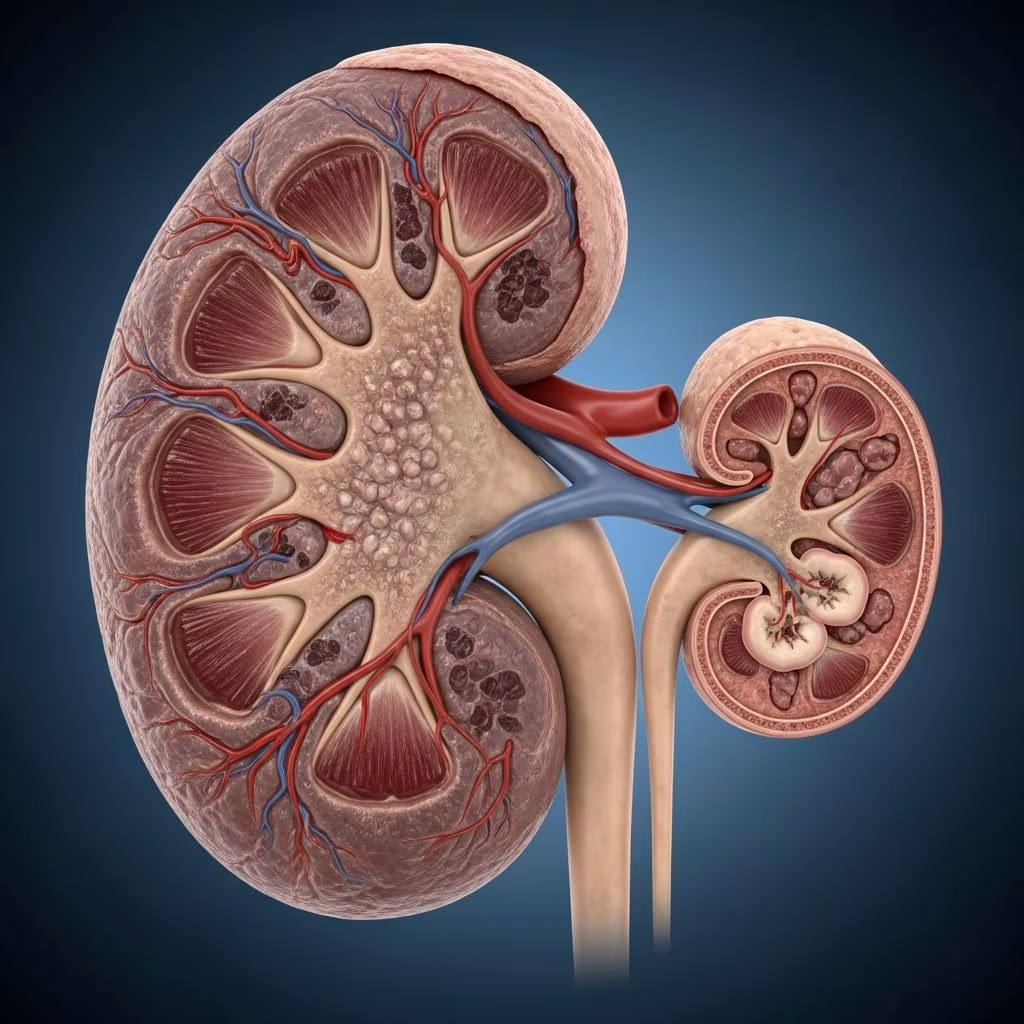
Stage 4 kidney disease represents a severe stage of chronic kidney disease (CKD) where kidney function is significantly impaired, typically with an estimated glomerular filtration rate (eGFR) of 15-29 mL/min/1.73 m². At this point, kidneys operate at 15-29% capacity, leading to waste buildup, noticeable symptoms, and increased risk of complications. While irreversible, proactive management can slow progression to stage 5 (kidney failure), enhance quality of life, and prepare patients for future treatments like dialysis or transplantation.
What Is Stage 4 Kidney Disease?
Chronic kidney disease progresses through five stages based on eGFR, a key measure of kidney function derived from blood creatinine levels, age, sex, and race. Healthy kidneys have an eGFR above 90 mL/min/1.73 m². Stage 1 and 2 involve mild damage with higher eGFR, stage 3 shows moderate loss (around 50% function), but stage 4 indicates severe damage where kidneys struggle to filter blood effectively.
In stage 4, damaged kidneys fail to remove waste, excess fluids, and toxins adequately, causing imbalances in electrolytes, minerals, and acids. Common causes include diabetes, high blood pressure, glomerulonephritis, polycystic kidney disease, and prolonged use of certain medications. Without intervention, progression to kidney failure—where eGFR drops below 15—is likely, necessitating dialysis or transplant for survival.
Early detection via routine blood and urine tests is crucial. Patients often transition from stage 3, where symptoms may be subtle, to stage 4 as function declines further. Nephrologists emphasize that while kidneys won’t heal, lifestyle and medical strategies can extend this phase for years.
Symptoms of Stage 4 Kidney Disease
Symptoms intensify in stage 4 due to toxin accumulation and fluid imbalances, becoming more disruptive to daily life than in earlier stages:
- Severe fatigue and weakness: Reduced oxygen delivery from anemia and toxin buildup leaves patients exhausted even after rest.
- Nausea, vomiting, and loss of appetite: Uremic toxins irritate the stomach, leading to persistent queasiness and metallic taste in the mouth.
- Swelling (edema): Fluid retention causes puffiness in hands, feet, ankles, face, and legs.
- Changes in urination: Decreased output, foamy urine (from protein loss), or frequent nighttime urination.
- Itchy skin and muscle cramps: Phosphorus buildup and electrolyte shifts trigger intense itching and painful cramps.
- Shortness of breath: Fluid in lungs or anemia reduces oxygen capacity.
- Trouble sleeping, confusion, and concentration issues: Toxins affect brain function and sleep quality.
These symptoms vary by individual, influenced by underlying conditions like diabetes. Regular monitoring helps track changes.
Health Complications in Stage 4 Kidney Disease
Stage 4 heightens risks for systemic issues due to impaired regulation of blood pressure, minerals, and blood cells:
- High blood pressure: Difficult to control, accelerating kidney damage via vascular strain.
- Anemia: Kidneys produce less erythropoietin, reducing red blood cell production and causing fatigue.
- Bone and mineral disease: Low vitamin D and high phosphorus weaken bones, risking fractures.
- Cardiovascular problems: Leading cause of death in CKD; includes heart enlargement, failure, and vessel thickening from hypertension and anemia.
- Fluid overload: Leads to pulmonary edema and hypertension.
- Hyperkalemia and metabolic acidosis: High potassium risks arrhythmias; acid buildup fatigues muscles.
Heart disease kills more CKD patients than kidney failure itself, underscoring holistic management.
Diagnosing Stage 4 Kidney Disease
Diagnosis relies on:
- Blood tests: eGFR (15-29 confirms stage 4), creatinine, blood urea nitrogen (BUN).
- Urine tests: Albumin-to-creatinine ratio detects protein leakage.
- Imaging: Ultrasound or CT scans assess kidney size and structure.
- Biopsy: Rarely, to pinpoint cause like glomerulonephritis.
Staging uses KDIGO guidelines, integrating eGFR with albuminuria for precise prognosis.
Treatment Options for Stage 4 Kidney Disease
Treatment aims to slow progression, alleviate symptoms, and avert complications. No cure exists, but comprehensive care works.
Medical Management
- Blood pressure control: ACE inhibitors or ARBs protect kidneys; target <130/80 mmHg.
- Anemia treatment: Erythropoiesis-stimulating agents (ESAs), iron supplements.
- Mineral balance: Phosphate binders, vitamin D analogs, calcimimetics.
- Acidosis correction: Sodium bicarbonate.
- Diuretics and statins: For fluid and cardiovascular risk.
Dietary Changes
A renal dietitian tailors plans:
- Limit protein to 0.6-0.8 g/kg/day to reduce waste.
- Restrict sodium (<2g/day), potassium, phosphorus.
- Control fluids based on urine output.
- Emphasize heart-healthy foods; renal vitamins prevent deficiencies.
Table comparing key nutrient limits:
| Nutrient | Daily Limit (Stage 4) | Food Examples to Limit |
|---|---|---|
| Sodium | <2,000 mg | Processed foods, salt |
| Potassium | 2,000-3,000 mg | Bananas, potatoes, oranges |
| Phosphorus | 800-1,000 mg | Dairy, nuts, cola |
| Protein | 0.6-0.8 g/kg body weight | Red meat, eggs |
Lifestyle Modifications
- Quit smoking/alcohol; avoid NSAIDs.
- Exercise 30 min/day (walking, approved by doctor).
- Manage weight, stress; monitor blood sugar if diabetic.
Preparing for Stage 5 Kidney Disease (Kidney Failure)
Stage 4 is the ideal time to plan:
- Dialysis options: Hemodialysis (in-center/home via AV fistula), peritoneal dialysis.
- Transplant: Evaluate early; join waitlist, seek living donors.
- Access planning: Create fistula 6 months ahead.
- Conservative care: For non-dialysis paths, focus on symptoms.
Treatments enable fulfilling lives post-failure.
Living Well with Stage 4 Kidney Disease
Patients thrive by adhering to plans:
- Follow meds, diets, appointments.
- Monitor BP, weight, symptoms daily.
- Control comorbidities (diabetes, heart disease).
- Join support groups; stay socially/mentally active.
Multidisciplinary team: nephrologist, dietitian, nurse, social worker.
When to Call Your Doctor
Seek immediate care for:
- Chest pain, severe shortness of breath.
- Extreme swelling, confusion, intractable nausea.
- Inability to tolerate meds.
Frequently Asked Questions (FAQs)
What is the life expectancy with stage 4 kidney disease?
With management, many live years before dialysis; varies by health factors. Heart disease is primary risk.
Can stage 4 kidney disease be reversed?
No, damage is permanent, but progression slows with treatment.
Is dialysis inevitable in stage 4?
Not always; some stabilize, others progress despite care.
What diet is best for stage 4 CKD?
Low-protein, sodium/potassium/phosphorus-restricted, per renal dietitian.
Can I exercise with stage 4 kidney disease?
Yes, moderate activity approved by doctor improves heart health.
References
- Living with Stage 4 Kidney Disease: What Patients Need to Know — Quality Insights. 2023. https://www.qualityinsights.org/quality-quest/living-with-stage-4-kidney-disease-what-patients-need-to-know
- Key Points: Living With Stage 4 Kidney Disease — National Kidney Foundation. 2024. https://www.kidney.org/key-points-living-stage-4-kidney-disease
- Chronic Kidney Disease (CKD) — National Institute of Diabetes and Digestive and Kidney Diseases (NIDDK). 2025-04-11. https://www.niddk.nih.gov/health-information/kidney-disease/chronic-kidney-disease-ckd
- KDIGO 2024 Clinical Practice Guideline for Chronic Kidney Disease — Kidney Disease: Improving Global Outcomes (KDIGO). 2024. https://kdigo.org/guidelines/ckd-evaluation-and-management/
- Anemia in Chronic Kidney Disease — National Kidney Foundation. 2023-10-15. https://www.kidney.org/atoz/content/anemia