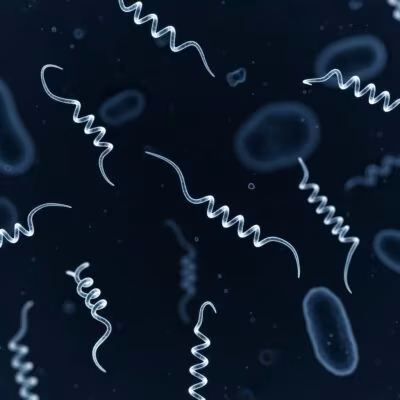
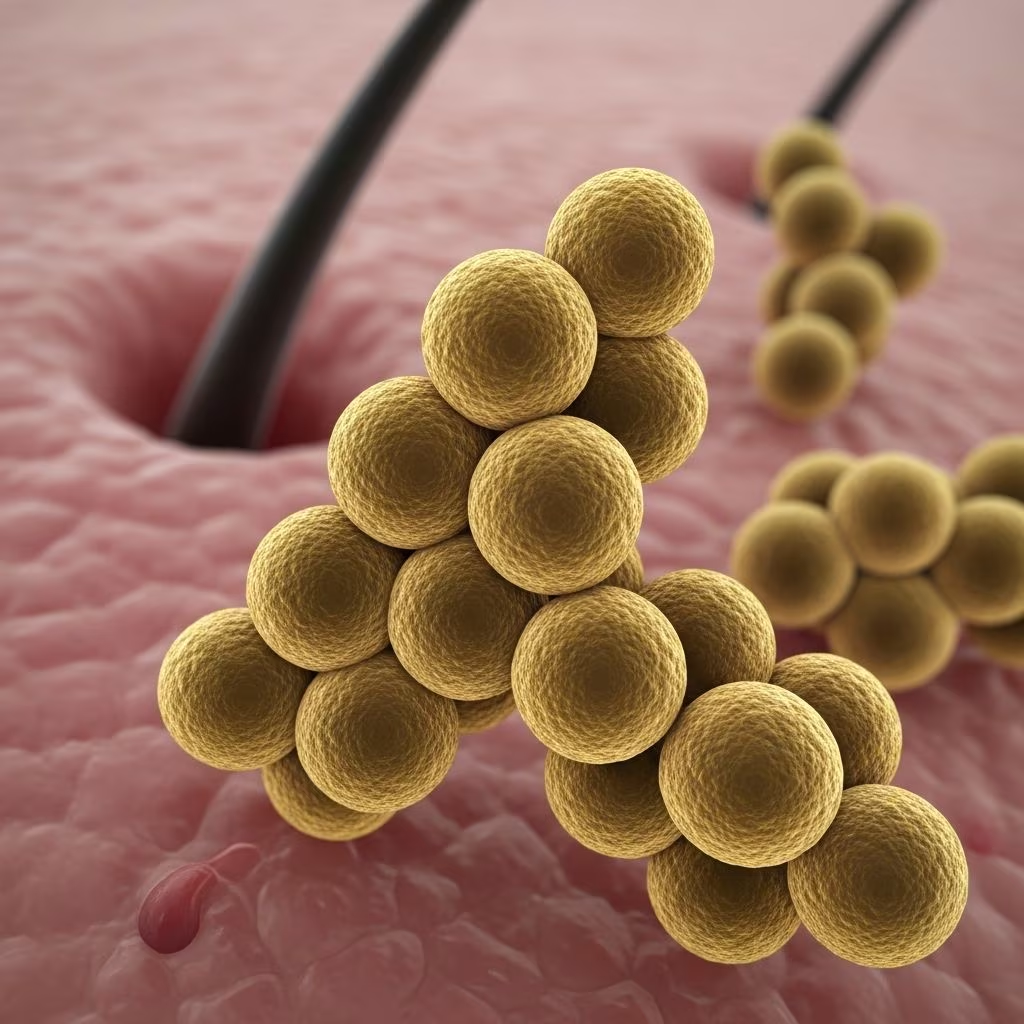
Staph infections, caused by Staphylococcus aureus bacteria, range from minor skin issues like boils to life-threatening conditions like sepsis. Early recognition of symptoms such as redness, swelling, and pus-filled sores is crucial for prompt treatment with antibiotics and preventing spread.
What Is a Staph Infection?
Staphylococcus (staph) bacteria are common on the skin and in the nose of healthy people, with about 20% of adults carrying them on skin and 30% in nasal cavities, yet they rarely cause harm unless entering the body through breaks in the skin. These bacteria, often called ‘golden staph,’ can multiply inside the body via wounds, leading to infections that vary from mild skin conditions to severe invasive diseases.
Staph thrives in crowded environments like schools or hospitals, spreading via skin contact or contaminated objects. While most infections respond to antibiotics, methicillin-resistant Staphylococcus aureus (MRSA) strains resist common treatments, posing higher risks in healthcare settings.
Staph Infection Symptoms
Symptoms depend on the infection site and severity. Skin infections often present first with localized signs, while invasive ones cause systemic illness.
Skin Infection Symptoms
The most common type, staph skin infections appear as:
- Redness and swelling in the affected area, often painful or warm to the touch.
- Pus-filled sores, boils, or abscesses that may crust over.
- Impetigo: Honey-colored crusts on face or body, common in children.
- Cellulitis: Deep redness, warmth, and swelling spreading beyond the initial site.
- Staphylococcal scalded skin syndrome (SSSS): Blistering and peeling skin, mainly in young children.
These mimic pimples or spider bites initially but worsen without care.
Symptoms of Serious Staph Infections
Invasive infections spread beyond skin, signaling urgency:
- Fever above 38°C (100.4°F), chills, shakes, or feeling unwell.
- Shortness of breath, rapid heartbeat, or fatigue (e.g., in pneumonia or endocarditis).
- Bloodstream infection (bacteremia/sepsis): High fever, low blood pressure, confusion.
- Bone infection (osteomyelitis): Deep pain, swelling, warmth at site, fever.
- Pneumonia: Cough, chest pain, high fever, breathing difficulty.
- Endocarditis: Flu-like symptoms, heart murmur, fluid buildup in limbs.
- Toxic shock syndrome (TSS): Sudden fever, rash, vomiting, diarrhea, low blood pressure.
- Food poisoning: Nausea, vomiting, diarrhea within hours of contaminated food.
Seek immediate medical help for systemic symptoms—call emergency services if severe.
Types of Staph Infections
Staph causes diverse infections, categorized by location and severity.
| Type | Description | Common Sites |
|---|---|---|
| Skin & Soft Tissue | Boils, abscesses, impetigo, cellulitis, SSSS | Skin wounds, face |
| Bloodstream (Bacteremia/Sepsis) | Bacteria in blood, potentially fatal | Via skin entry or devices |
| Bone/Joint (Osteomyelitis) | Painful bone inflammation | Feet, trauma sites |
| Heart (Endocarditis) | Valve infection, risks heart failure | IV drug users, valve issues |
| Lung (Pneumonia) | Severe in ventilated patients | Lungs |
| Food Poisoning | Toxin-mediated, resolves quickly | GI tract |
| TSS | Multi-organ failure from toxins | Tampons, wounds |
Hospital-acquired infections often involve catheters, surgical wounds, or pressure sores, with MRSA complicating treatment.
Causes and Risk Factors for Staph Infections
Staph enters through skin breaks like cuts, scrapes, or surgical sites, or via inhalation/ingestion. Risk factors include:
- Weakened immune system (diabetes, HIV, chemotherapy).
- Hospital stays, dialysis, ventilators, or IV lines.
- Contact sports, crowded living, poor hygiene.
- Close skin contact (e.g., wrestling, childcare).
- Contaminated food or objects.
Infections spread person-to-person via touch, sneezing, or shared items; healthy carriers unknowingly transmit.
Staph Infection Diagnosis
Doctors assess symptoms, history, and perform tests:
- Culture/swab from wound, blood, nose, or sputum to identify staph and antibiotic sensitivity.
- Blood tests for systemic infection markers.
- Imaging (X-ray, MRI) for bone/lung involvement.
Quick diagnosis prevents progression.
Staph Infection Treatment
Treatment targets severity:
- Mild skin infections: Warm compresses, drainage; topical/oral antibiotics like dicloxacillin.
- Severe cases: IV antibiotics (vancomycin for MRSA) in hospital.
- Abscesses: Surgical incision and drainage.
- Supportive care: Fluids, fever management for TSS/food poisoning.
Complete antibiotic courses to avoid resistance. Recovery: 24-48 hours for food poisoning, days for skin, weeks for invasive.
Complications of Staph Infections
Untreated infections lead to:
- Sepsis, organ failure.
- Pneumonia, endocarditis, osteomyelitis.
- Amputations in severe limb infections.
- MRSA outbreaks in facilities.
Prevention of Staph Infections
Key strategies:
- Wash hands frequently with soap.
- Cover wounds, avoid sharing towels/razors.
- Clean surfaces in high-risk areas.
- Healthcare hygiene: Gloves, sterilization.
- Vaccination research ongoing; no routine vaccine yet.
When to See a Doctor for Staph Infection
Consult promptly for worsening redness, fever, pus, or systemic symptoms. Hospitalize for invasive signs.
Frequently Asked Questions (FAQs)
What does a staph infection look like?
Red, swollen, painful bumps or pus-filled boils resembling pimples; cellulitis shows spreading redness.
Are staph infections contagious?
Yes, via skin contact, contaminated objects, or droplets; isolate until treated.
How long does a staph infection last?
Surface infections heal in days with treatment; invasive may take weeks.
What kills staph infection?
Antibiotics like cephalexin or vancomycin (for MRSA); drainage for abscesses.
Can staph infections go away on their own?
Mild cases might, but most require treatment to prevent complications.
References
- Staph infections – symptoms, causes, treatment and … — Healthdirect Australia. 2025. https://www.healthdirect.gov.au/staph-infections
- Staph infection: Types, symptoms, causes, treatments — Medical News Today. Accessed 2026. https://www.medicalnewstoday.com/articles/staph-infection
- Staphylococcus aureus Basics — Centers for Disease Control and Prevention (CDC). Accessed 2026. https://www.cdc.gov/staphylococcus-aureus/about/index.html
- Staph infections in the hospital — MedlinePlus. Accessed 2026. https://medlineplus.gov/ency/patientinstructions/000449.htm
- Staphylococcus aureus Infection – StatPearls — NCBI Bookshelf / TA Taylor. 2023. https://www.ncbi.nlm.nih.gov/books/NBK441868/