
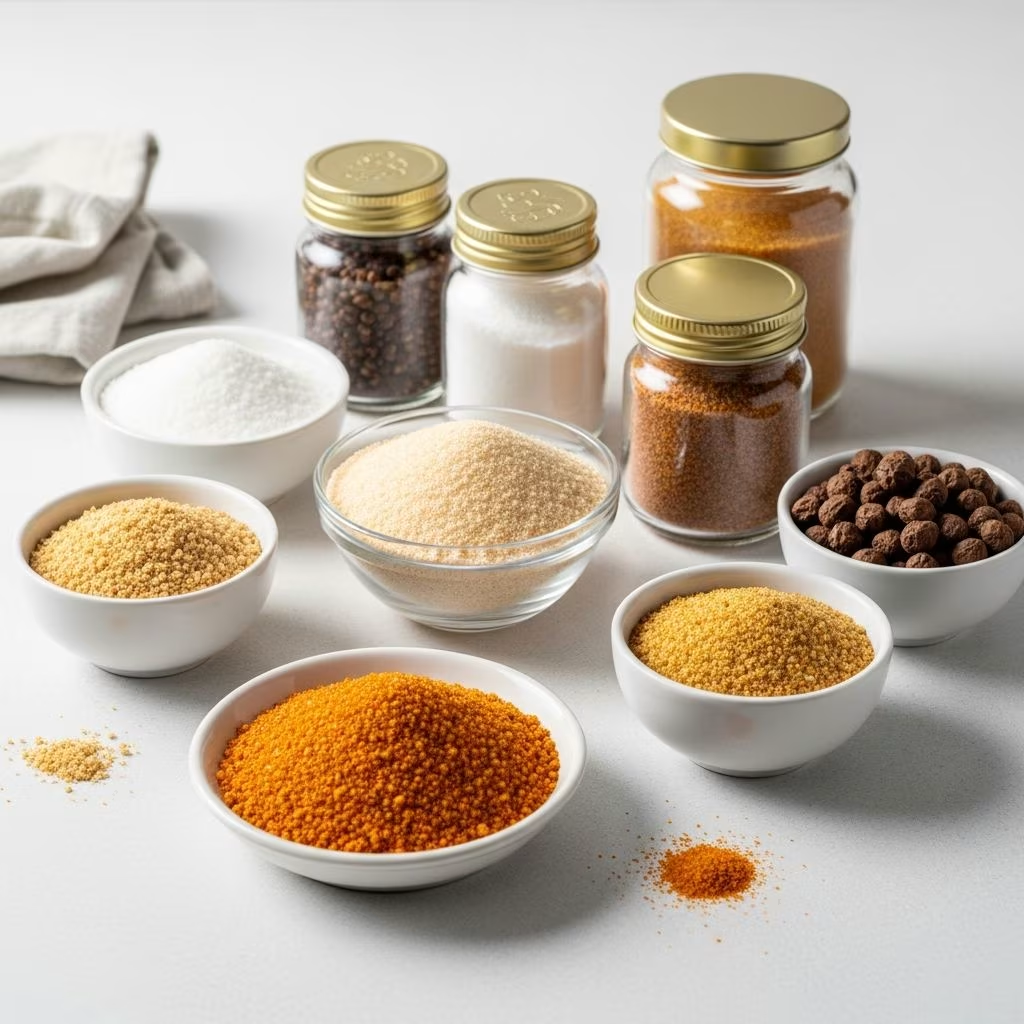
Sugar substitutes offer ways to enjoy sweetness without the calories or blood sugar spikes of regular sugar. These alternatives range from artificial compounds to natural extracts, each with unique properties and health considerations.
Why Consider Sugar Substitutes?
Many people turn to sugar substitutes to cut calories, manage diabetes, or protect dental health. Regular sugar contributes to weight gain, tooth decay, and elevated blood sugar levels. Substitutes provide sweetness with fewer downsides, though long-term effects vary.
Health agencies confirm that approved substitutes do not pose serious risks when used as directed. They help lower cavity risk by not feeding oral bacteria and maintain stable blood glucose, benefiting those with diabetes or prediabetes.
Types of Sugar Substitutes
Sugar substitutes fall into artificial, natural, and sugar alcohols categories. Each type differs in calorie content, sweetness intensity, and processing.
Artificial Sweeteners
These lab-made options are intensely sweet, requiring tiny amounts for flavor. The FDA approves six for food use, all with few or no calories.
| Name | Common Brands | Sweetness Level |
|---|---|---|
| Acesulfame-K | Sunett, Sweet One | 200x sugar |
| Saccharin | Sweet’N Low, Sweet Twin | 200-700x sugar |
| Sucralose | Splenda | 600x sugar |
| Aspartame | Equal, NutraSweet | 200x sugar |
Artificial sweeteners pass through the body undigested, offering zero calories and no blood sugar impact.
Natural Sweeteners
Derived from plants, these include stevia and monk fruit. Stevia, from the stevia plant, has zero calories and a glycemic index (GI) of zero, ideal for diabetes management. Fruits like dates or berries provide natural sweetness with fiber and nutrients.
Honey and maple syrup offer antioxidants and prebiotics but contain calories and raise blood sugar, similar to sugar. Use sparingly; avoid honey for infants under one year due to botulism risk. Agave nectar matches sugar’s calories but tastes stronger, allowing less use.
Sugar Alcohols
These hybrid sweeteners, like erythritol and xylitol, occur naturally in fruits but are commercially produced. They have 50-90% fewer calories than sugar and minimal blood sugar effects. However, high intake causes digestive issues like bloating.
Health Benefits of Sugar Substitutes
- Dental Protection: Unlike sugar, substitutes don’t promote cavities, reducing tooth decay risk.
- Weight Control: Short-term studies show replacing sugary drinks with substitute versions aids modest weight loss or prevents gain.
- Blood Sugar Stability: Zero-GI options like stevia and artificial types suit diabetes management without spikes.
Cohort studies indicate substituting sugar-sweetened beverages (SSBs) with low-calorie sweetened ones links to less weight gain over four years.
Potential Risks and Concerns
While safe in moderation, research reveals mixed outcomes. Observational data links high intake to type 2 diabetes and cardiovascular disease (CVD), though reverse causation—where at-risk people choose substitutes—may explain this.
- A French study associated both SSBs and low-calorie sweetened beverages with higher diabetes risk.
- NutriNet-Santé cohort found aspartame tied to cerebrovascular events, acesulfame-K and sucralose to coronary heart disease.
- Erythritol raises blood clotting potential, a concern for those with obesity or diabetes.
Gut microbiome changes from substitutes may contribute to glucose intolerance and obesity in some. Long-term weight management requires diet and exercise beyond swaps.
Comparing Popular Options
| Sweetener | Calories | GI | Pros | Cons |
|---|---|---|---|---|
| Stevia | 0 | 0 | Natural, diabetes-friendly | Bitter aftertaste |
| Sucralose | 0 | 0 | Heat-stable for cooking | Possible CVD links |
| Erythritol | Low | Low | Digests easily | Clotting risk, GI upset |
| Honey | High | 60 | Antioxidants | Calories, not for babies |
Guidelines for Safe Use
Moderation is key. FDA sets acceptable daily intakes (ADIs) to prevent issues. Combine with whole foods; don’t offset savings with extra calories elsewhere. For diabetes, prioritize zero-GI choices like stevia over honey.
Encourage water, unsweetened teas, or fruit-infused drinks over sweetened ones. A balanced diet trumps any single swap.
Frequently Asked Questions
Are sugar substitutes safe for daily use?
Approved ones are safe within ADI limits. No strong cancer links exist, per health agencies.
Do they help with weight loss?
Short-term yes, via calorie reduction; long-term depends on overall habits.
Which is best for diabetics?
Stevia or monk fruit for zero GI and natural origin.
Can they cause digestive problems?
Sugar alcohols often do in excess; start low.
Are natural better than artificial?
Not always; both have pros/cons. Focus on personal tolerance and health goals.
Practical Tips for Incorporating Substitutes
- Blend stevia with sugar for baking to cut calories by half.
- Use fruit purees in smoothies for natural sweetness and nutrition.
- Opt for erythritol in keto recipes, monitoring gut response.
- Read labels; some ‘sugar-free’ products hide other carbs.
- Experiment to avoid aftertastes; pairs like monk fruit with vanilla work well.
Transition gradually to retrain taste buds from intense sweetness.
References
- Artificial sweeteners and other sugar substitutes — Mayo Clinic. 2023. https://www.mayoclinic.org/healthy-lifestyle/nutrition-and-healthy-eating/in-depth/artificial-sweeteners/art-20046936
- Low-Calorie Sweeteners — Harvard T.H. Chan School of Public Health. 2023. https://nutritionsource.hsph.harvard.edu/healthy-drinks/artificial-sweeteners/
- The Impact of Artificial Sweeteners on Human Health and Cancer — PMC (NIH). 2024-01-12. https://pmc.ncbi.nlm.nih.gov/articles/PMC10822749/
- The Best (and Worst) Sugar Substitutes — Cleveland Clinic. 2023. https://health.clevelandclinic.org/best-and-worst-sugar-substitutes
- The Best and Worst Sweeteners, Ranked by GI Index — GoodRx. 2024. https://www.goodrx.com/well-being/diet-nutrition/sweeteners
- Study compares effects of artificial sweetener erythritol and sugar — Cleveland Clinic Lerner Research Institute. 2023. https://www.lerner.ccf.org/news/article/?title=Study+compares+effects+of+artificial+sweetener+erythritol+and+sugar&id=d177e14f9e80d5ac45a329c97f65b12208a2fed3
- The truth about sweeteners — NHS. 2023. https://www.nhs.uk/live-well/eat-well/food-types/are-sweeteners-safe/