
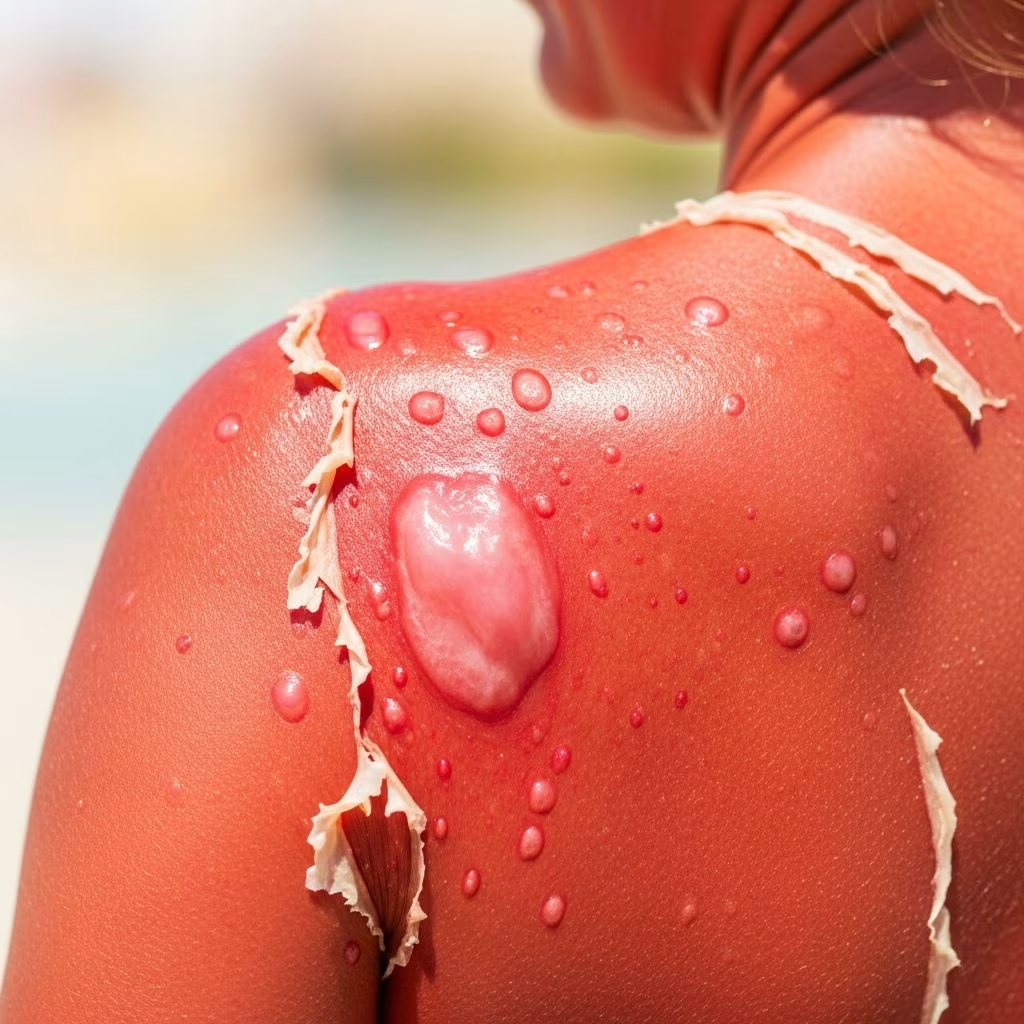
Sun poisoning refers to a severe case of sunburn that goes beyond typical redness and pain, often mimicking an allergic reaction with systemic symptoms like fever, chills, nausea, and dehydration. It results from intense ultraviolet (UV) radiation exposure, damaging skin cells and drawing fluids away from the body, leading to widespread discomfort.
What Is Sun Poisoning?
Sun poisoning is not true poisoning but a colloquial term for extreme sunburn affecting large areas of skin. Unlike mild sunburns that cause temporary redness, sun poisoning involves deeper skin damage, blistering, and flu-like symptoms due to inflammation and dehydration. It increases risks of long-term issues like premature aging and skin cancer with repeated exposure.
Factors heightening susceptibility include fair skin, prolonged unprotected sun exposure near reflective surfaces like water or snow, and certain medications or conditions that sensitize skin to UV rays.
Sun Poisoning Symptoms
Symptoms typically appear 4-24 hours after excessive sun exposure and can escalate quickly. Early signs mimic severe sunburn, progressing to systemic effects if untreated.
- Skin-related: Intense redness, swelling, severe pain, blistering, peeling, or gritty sensation.
- Systemic: Fever, chills, headache, dizziness, nausea, vomiting, confusion, or fainting.
- Other: Painful eyes, lip blisters, hives, or rash on exposed areas.
Dehydration exacerbates symptoms, as burned skin pulls fluids internally, causing weakness and rapid heartbeat.
Sun Poisoning vs. Sunburn
While all sunburns damage DNA in skin cells, sun poisoning is distinguished by its severity and broader impact. Use this table for quick comparison:
| Feature | Sunburn | Sun Poisoning |
|---|---|---|
| Severity | Mild to moderate redness, pain, tenderness | Severe blistering, swelling, systemic illness |
| Symptoms | Localized skin warmth, peeling | Fever, nausea, chills, dizziness, dehydration |
| Cause | UV overexposure | Intense/prolonged UV, often with risk factors |
| Treatment | Home care (cool baths, OTC pain relief) | May require medical intervention (IV fluids) |
| Duration | 3-7 days | Up to 2 weeks or longer with complications |
Sunburn is superficial; sun poisoning signals deeper damage needing prompt attention.
Sun Poisoning vs. Heat Rash
| Aspect | Sun Poisoning | Heat Rash |
|---|---|---|
| Cause | UV radiation on skin | Blocked sweat ducts in hot/humid conditions |
| Location | Sun-exposed areas | Folds, under clothes |
| Symptoms | Blisters, fever, nausea | Small bumps, itching, no fever |
| Treatment | Cooling, hydration, medical if severe | Cooling, loose clothing; self-resolves |
Heat rash lacks UV involvement and systemic symptoms.
Sun Poisoning Causes and Risk Factors
Primary cause: Overexposure to UVA/UVB rays without protection. Risks amplify with:
- Fair skin or photosensitivity.
- Reflective environments (beach, snow).
- Inadequate SPF or forgotten reapplications.
- Medications (antibiotics, diuretics) increasing UV sensitivity.
- History of sun allergies like PMLE (polymorphous light eruption), causing itchy rashes hours after exposure.
PMLE affects sun-exposed skin with bumps, patches, or blisters, often improving with acclimation but treatable with steroids.
Sun Poisoning Treatment
Act immediately to halt damage and promote healing. Home care suffices for mild cases; severe ones demand professional help.
Home Remedies for Mild Sun Poisoning
- Get out of the sun and into shade or indoors.
- Take cool (not cold) showers or apply compresses to reduce heat.
- Hydrate aggressively with water or electrolyte drinks.
- Use OTC pain relievers like ibuprofen for pain and inflammation.
- Apply aloe vera, soy lotion, or 1% hydrocortisone cream; avoid petroleum-based products.
- Protect blisters—do not pop them to prevent infection.
- Consider OTC vitamin D3 (50,000-400,000 IU) for inflammation reduction, per some sources.
Medical Treatment for Severe Cases
Seek care for large-area burns, unrelieved pain, or systemic symptoms. Treatments include:
- IV fluids for dehydration.
- Prescription steroids (topical/oral) to curb inflammation.
- Antibiotics for infection risk.
- Stronger pain meds.
- Wound care monitoring.
Recovery spans 7-14 days; scars are rare but possible with deep burns.
When to See a Doctor for Sun Poisoning
Do not delay if you experience:
- Blisters over large areas or face.
- Fever over 101°F, chills, or confusion.
- Vomiting, severe headache, or fainting.
- No improvement after 48 hours of home care.
- Signs of infection (pus, worsening redness).
Urgent care or ER may be needed for rapid intervention.
Sun Poisoning Prevention
Prevention is key to avoiding this painful condition:
- Apply broad-spectrum SPF 30+ sunscreen, reapplying every 2 hours or after swimming.
- Wear protective clothing, hats, sunglasses.
- Seek shade 10 AM-4 PM.
- Stay hydrated; limit alcohol.
- For sensitive skin, use UV-protective films on windows.
Sun Poisoning Scars and Long-Term Effects
Most heal without scars, but deep second-degree burns may leave discoloration or marks. Repeated episodes accelerate aging and raise melanoma risk. Protect healing skin to minimize pigmentation changes.
Frequently Asked Questions (FAQs)
What is sun poisoning exactly?
A severe sunburn with symptoms beyond skin pain, including fever and nausea from UV damage and dehydration.
How long does sun poisoning last?
Symptoms peak in 24-48 hours, resolving in 7-14 days with proper care.
Can sun poisoning cause permanent damage?
Yes, increasing skin cancer risk; each episode damages DNA.
Is aloe vera effective for sun poisoning?
Yes, it soothes and moisturizes; combine with anti-inflammatories.
Does sun poisoning only affect fair skin?
No, anyone can get it, though fair skin is more prone.
What medications worsen sun sensitivity?
Antibiotics, retinoids, NSAIDs—check labels.
References
- Sun Poisoning: Symptoms and Treatment — WebMD. 2023-10-15. https://www.webmd.com/skin-poisoning
- All About Sun Poisoning: Symptoms, Treatment, and When to Get Help — Jovive Urgent Care. 2024-06-12. https://joviveurgentcare.com/blog/all-about-sun-poisoning/
- Sun Poisoning vs. Sunburn: Symptoms, Treatment, Risks — GoodRx. 2024-03-20. https://www.goodrx.com/health-topic/dermatology/sunburn-vs-sun-poisoning
- Sunburn vs. Sun Poisoning: What’s the Difference? — Catholic Health. 2023-07-08. https://www.catholichealthli.org/blog/sunburn-vs-sun-poisoning-whats-difference
- What Is Sun Poisoning: Symptoms, Treatments, & Prevention — CLS Health. 2024-05-05. https://cls.health/blog/what-is-sun-poisoning
- What Is Sun Poisoning? A Guide to Sun Poisoning Symptoms and Treatment — Wederm. 2023-11-28. https://www.wederm.com/blog/what-is-sun-poisoning-a-guide-to-sun-poisoning-symptoms-and-treatment/
- Sun Poisoning: Symptoms and Treatment — Cleveland Clinic. 2024-01-10. https://health.clevelandclinic.org/sun-poisoning