
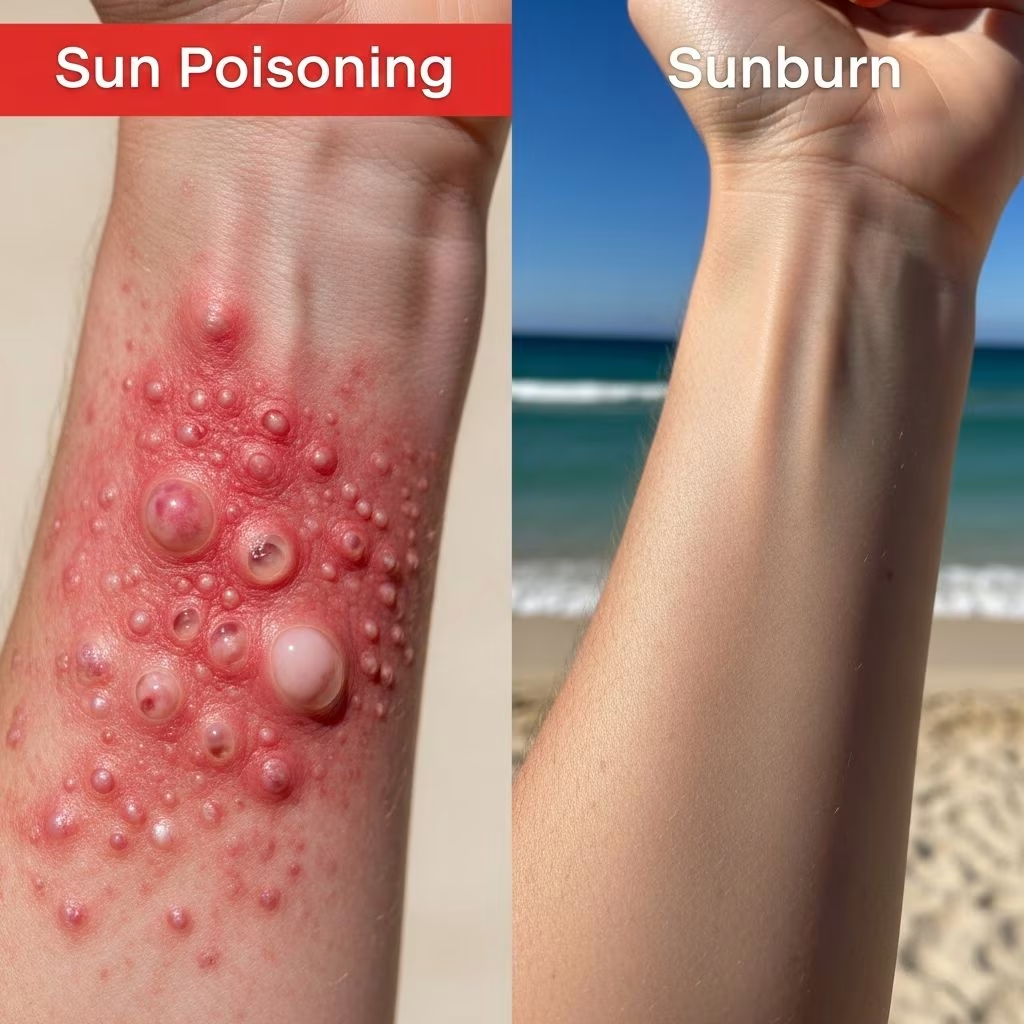
Sun poisoning and sunburn both result from excessive ultraviolet (UV) radiation exposure, but they differ significantly in severity and symptoms. While a sunburn is a common first-degree burn affecting the skin’s outer layer, sun poisoning represents a more extreme reaction that can involve systemic symptoms like fever and nausea, potentially requiring medical intervention.
What Is Sunburn?
A sunburn is an inflammatory response triggered by overexposure to UV rays from the sun or tanning beds. It typically manifests as red, painful skin and develops gradually after exposure.
Sunburns are classified as first-degree burns, damaging the epidermis without affecting deeper skin layers. Symptoms usually peak within 24 to 48 hours and resolve in a few days to a week.
Symptoms of Sunburn
Common signs of a sunburn include:
- Redness and tenderness in the affected area
- Warmth or heat radiating from the skin
- Mild swelling
- Itching, stinging, or discomfort
- Peeling or flaking skin after several days
These symptoms are localized to the skin and do not typically involve the whole body.
What Is Sun Poisoning?
Sun poisoning, though not a formal medical term, describes a severe form of sunburn (second-degree burn) that provokes a broader bodily reaction, mimicking flu-like symptoms or an allergic response. It occurs from prolonged unprotected sun exposure, overwhelming the body’s ability to cope with UV damage.
This condition goes beyond skin inflammation, affecting hydration, temperature regulation, and overall well-being. Harvard Health notes it produces intense skin damage like rash, blisters, swelling, and fever, while the CDC confirms systemic effects such as headache, chills, nausea, or vomiting.
Symptoms of Sun Poisoning
Sun poisoning symptoms escalate quickly and include both intensified skin issues and internal distress:
- Intense redness, blistering, and severe swelling
- Severe pain
- Fever and chills
- Headache
- Nausea, vomiting
- Dizziness, confusion, or fainting
- Dehydration signs like dry mouth and fatigue
- Hives, rash, or shortness of breath
If symptoms extend beyond the skin—such as fever or nausea—seek immediate care, as it may progress to heat exhaustion or heatstroke.
Sunburn vs. Sun Poisoning: Key Differences
The table below summarizes the distinctions for quick comparison:
| Aspect | Sunburn | Sun Poisoning |
|---|---|---|
| Severity | Mild to moderate, skin-only | Severe, systemic reaction |
| Skin Symptoms | Redness, tenderness, mild swelling, peeling | Blistering, intense swelling, rash |
| Systemic Symptoms | None or minimal | Fever, chills, nausea, dizziness, headache |
| Onset | Hours after exposure, peaks 24-48 hrs | Rapid escalation post-exposure |
| Duration | 3-7 days | Longer, may need medical treatment |
| Treatment | Home care (cool compresses, aloe) | Medical attention often required |
This comparison highlights why sun poisoning demands urgent response.
Risk Factors for Sun Poisoning
Certain factors heighten vulnerability:
- Fair skin, light hair, or freckles
- History of sunburns or skin cancer
- Medications increasing photosensitivity (e.g., antibiotics, retinoids)
- Prolonged exposure without protection
- Children and older adults
Even cloudy days pose risks, as up to 80% of UV rays penetrate clouds.
Treatment for Sunburn
Mild sunburns heal at home:
- Get out of the sun immediately
- Take cool showers or apply cold compresses
- Moisturize with aloe vera or fragrance-free lotions
- Use OTC pain relievers like ibuprofen for pain and inflammation
- Stay hydrated and avoid popping blisters
Treatment for Sun Poisoning
Sun poisoning often requires professional care:
- Hydrate aggressively with oral or IV fluids
- Cool the body with compresses or baths
- Pain management and anti-inflammatories
- Topical steroids or antibiotics for blisters
- Monitor for infection or dehydration
Call a doctor for confusion, high fever, or vomiting.
Prevention Tips
Prevent both conditions with these strategies:
- Apply broad-spectrum SPF 30+ sunscreen every 2 hours, reapplying after swimming/sweating
- Wear protective clothing, hats, and sunglasses
- Seek shade between 10 a.m. and 4 p.m.
- Use umbrellas or tents at beaches
- Avoid tanning beds
- Stay hydrated
Consistent habits reduce risks significantly.
When to See a Doctor
Seek medical help if you experience:
- Blisters covering large areas
- Fever over 101°F
- Severe headache, nausea, or confusion
- Signs of infection (pus, worsening pain)
- Dehydration symptoms
Frequently Asked Questions (FAQs)
What is the main difference between sunburn and sun poisoning?
Sunburn is a mild skin burn with redness and pain, while sun poisoning is severe with blisters, fever, nausea, and systemic effects.
Can sun poisoning cause long-term damage?
Yes, repeated severe sunburns increase skin cancer risk and cause premature aging.
How long does sun poisoning last?
Symptoms may persist 1-2 weeks, longer than typical sunburns, often needing medical aid.
Is sun poisoning contagious?
No, it’s caused by UV exposure, not infection.
Does sunscreen prevent sun poisoning?
Broad-spectrum SPF 30+ reduces risk when applied correctly and reapplied.
References
- Sun Poisoning vs. Sunburn: How To Tell The Difference — AFC Urgent Care. 2023. https://www.afcurgentcare.com/denver-park-hill/blog/sun-poisoning-vs-sunburn-how-to-tell-the-difference/
- Sunburn vs. Sun Poisoning: What’s the Difference? — Catholic Health. 2024. https://www.catholichealthli.org/blog/sunburn-vs-sun-poisoning-whats-difference
- Sunburn vs Sun Poisoning: Know the Difference and Stay Safe — MD Premier. 2024. https://mdpremier.com/sunburn-vs-sun-poisoning-know-the-difference-and-stay-safe/
- Sun Poisoning vs. Sunburn: Symptoms, Treatment, Risks — GoodRx. 2024. https://www.goodrx.com/health-topic/dermatology/sunburn-vs-sun-poisoning
- Sunburn vs. Sun Poisoning: What’s the Difference? — eCommunity. 2024-07-01. https://www.ecommunity.com/healthminute/2024/sunburn-vs-sun-poisoning-whats-difference
- Sunburn vs. Sun Poisoning: The Actual Difference — 828 Urgent Care. 2023. https://www.828urgentcare.com/blog/sunburn-sun-poisoning-actual-difference
- Differences Between Sunburn vs. Sun Poisoning — Cleveland Clinic. 2024. https://health.clevelandclinic.org/sun-poisoning-vs-sunburn