
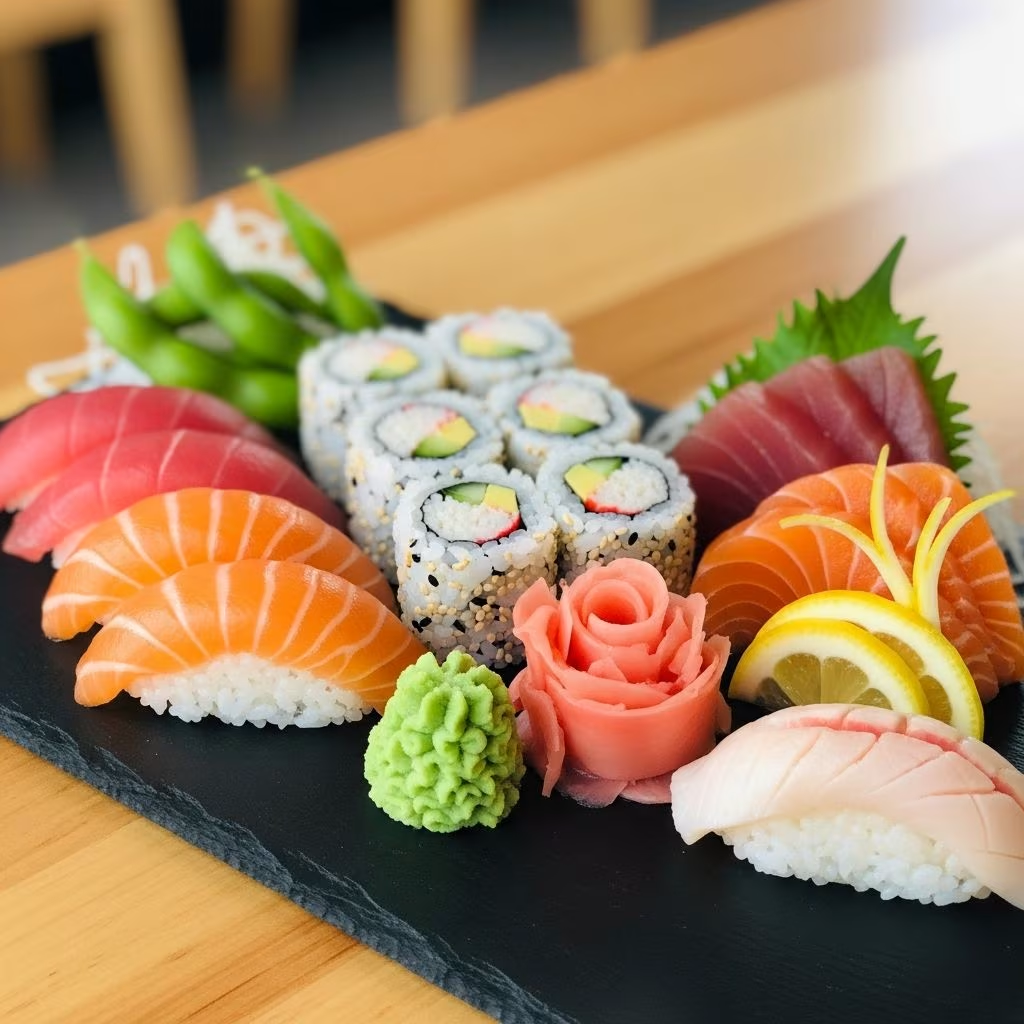
Sushi is a beloved Japanese dish featuring vinegared rice combined with ingredients like seafood, vegetables, and sometimes tropical fruits, offering a balance of flavors, textures, and nutritional value.
What Is Sushi?
Sushi originates from Japan and centers on shari or sumeshi, which is specially seasoned rice mixed with rice vinegar, sugar, and salt. This vinegared rice forms the base, topped or filled with raw or cooked seafood, vegetables, or other items. Unlike Western misconceptions, sushi emphasizes the rice preparation over just raw fish.
Traditional sushi evolved as a preservation method but transformed into a fresh, handcrafted cuisine. Modern sushi, popularized in the 19th century, includes varieties served with soy sauce, wasabi, and pickled ginger (gari).
History of Sushi
Sushi’s roots trace back to Southeast Asia around the 4th century BC, where fermenting fish with rice preserved seafood in the absence of refrigeration. This early form, known as narezushi, involved packing salted fish with rice, allowing lactic acid fermentation over months. The rice was discarded, and only the preserved fish was eaten.
By the 8th century in Japan, narezushi using freshwater fish like carp became common. During the 15th century amid civil unrest, preparation time shortened with added weight, creating mama-nare sushi or raw narezushi, fermented in about a month.
In the mid-1700s Edo period (now Tokyo), vinegar-seasoned rice reduced fermentation to hours, leading to hako-zushi (boxed sushi). The breakthrough came in 1824 when Hanaya Yohei invented nigiri-zushi in Edo, using fresh fish over vinegar-seasoned rice balls for quick street food.
This fast preparation suited the bustling chonin class, evolving sushi from preservation to Edo’s fast food, spreading globally post-World War II.
Types of Sushi
Sushi comes in diverse forms, each with unique preparation and presentation:
- Nigiri: Hand-pressed rice oval topped with seafood like tuna (maguro), salmon (sake), or eel (unagi). Created by Hanaya Yohei, it’s Japan’s most popular style.
- Maki: Rolled sushi wrapped in nori seaweed, filled with rice, fish, and vegetables. Includes futomaki (thick rolls) and hosomaki (thin rolls).
- Uramaki: Inside-out rolls with rice outside and nori inside, popular in the West with fillings like California roll (crab, avocado, cucumber).
- Temaki: Hand-rolled cones of nori filled with rice and ingredients, eaten fresh.
- Sashimi: Not true sushi but thinly sliced raw fish, often served alongside.
- Chirashi: Scattered sushi with rice topped with assorted seafood and vegetables in a bowl.
- Oshi or Hako-zushi: Pressed in a box, layered rice and toppings, common in regions like Osaka.
Vegetarian options use cucumber, avocado, or tamago (egg omelet).
Ingredients in Sushi
Core ingredient is sushi rice: short- or medium-grain Japanese rice (e.g., Koshihikari) cooked and seasoned with sushi vinegar (rice vinegar, sugar, salt) for tanginess.
Seafood: Fatty tuna (toro), yellowtail (hamachi), salmon, shrimp, eel, squid, or imitation crab (surimi). Use sushi-grade for raw preparations.
Vegetables and Others: Cucumber, avocado, pickled daikon (takuan), cream cheese in fusion rolls.
Condiments: Soy sauce for dipping, wasabi for heat, pickled ginger to cleanse palate.
| Category | Examples | Role |
|---|---|---|
| Rice | Short-grain Japanese rice | Base, vinegared for flavor |
| Seafood | Tuna, salmon, shrimp | Protein, fresh or cooked |
| Wrappers | Nori seaweed | Holds rolls together |
| Fillings | Avocado, cucumber | Texture, crunch |
| Sauces | Soy, wasabi, ginger | Dipping, palate cleanser |
Nutrition and Health Benefits
Sushi offers balanced nutrition: rice provides carbohydrates, seafood delivers omega-3 fatty acids for heart health, and vegetables add fiber and vitamins. High-quality fish like salmon supports brain function.
A typical nigiri piece has about 40-60 calories, low in fat but rich in protein. Brown rice variations boost fiber. However, raw fish risks parasites if not sushi-grade; cooked options mitigate this.
Benefits include anti-inflammatory omega-3s from fatty fish, iodine from seaweed for thyroid health, and probiotics from fermented origins. Pair with ginger for digestion.
- Heart-healthy fats from toro and salmon.
- Vitamin C and antioxidants from veggies.
- Low-calorie if avoiding tempura or creamy rolls.
Food Safety for Sushi
Raw fish demands caution: buy sushi-grade from reputable sources, frozen to kill parasites per FDA guidelines (-4°F for 7 days).
Maintain hygiene: clean hands, utensils, surfaces. Refrigerate fish below 40°F. Avoid cross-contamination. Vulnerable groups (pregnant, elderly, immunocompromised) should choose cooked sushi.
Rice vinegar’s acidity inhibits bacteria, but don’t leave prepared sushi out over 2 hours.
How to Make Sushi at Home
Making sushi requires practice but yields fresh results. Start with basic tools and recipes.
Essential Tools
- Bamboo mat (makisu) for rolling.
- Sharp knife for slicing.
- Rice paddle (shamoji), hangiri bowl.
- Plastic wrap to prevent sticking.
Sushi Rice Recipe
- Wash 2 cups short-grain rice 3-5 times until water runs clear.
- Cook in rice cooker with 2.5 cups water.
- Mix ¼ cup rice vinegar, 2 tbsp sugar, 1 tsp salt; fold into warm rice.
- Cool to room temperature in hangiri.
California Roll Recipe (Uramaki)
Ingredients (4 rolls): 1 cup sushi rice, 2 nori sheets, 1 avocado (sliced), 1 cucumber (julienne), 4 oz imitation crab, sesame seeds, soy-wasabi.
- Place nori shiny-side down on mat covered with plastic wrap.
- Spread thin rice layer, flip so rice is down.
- Add fillings in center: crab, avocado, cucumber.
- Roll tightly using mat; top with sesame seeds.
- Slice into 8 pieces with wet knife.
Simple Nigiri Recipe
Ingredients: Sushi rice, sushi-grade tuna/salmon (4 oz), wasabi.
- Form 1 tbsp rice into oval.
- Slice fish thinly, dab wasabi on underside.
- Press fish onto rice gently.
Pro tips: Practice rolling, keep hands wet, serve immediately.
Frequently Asked Questions
What rice is best for sushi?
Short-grain Japanese rice like Koshihikari for stickiness and flavor.
Is all sushi raw fish?
No, many types use cooked shrimp, eel, veggies, or tamago; nigiri often has raw toppings but rice is cooked.
How long does sushi rice last?
Refrigerate up to 24 hours; best fresh.
Can vegetarians eat sushi?
Yes, kappa maki (cucumber) or avocado rolls.
What’s the difference between sushi and sashimi?
Sushi includes vinegared rice; sashimi is just sliced raw fish.
References
- Sushi Food: History, Types & How to Make Sushi at Home — Vivre Experiences. 2023. https://vivreexperiences.com/blogs/health-wellness/sushi-food-history-types-how-to-make-sushi-at-home
- When Was Sushi Invented? Tracing Its History — Koi Sushi Illinois. 2023. https://www.koisushiillinois.com/when-was-sushi-invented/
- Sushi — Wikipedia (citing primary sources). 2026. https://en.wikipedia.org/wiki/Sushi
- Uncovering The History of Sushi — Skull Creek Boathouse. 2023. https://www.skullcreekboathouse.com/uncovering-the-history-of-sushi/
- From Rice to Rolls: A Brief History of Sushi — Fort Worth Japanese Society. 2023. https://fortworthjapanesesociety.org/blog/from-rice-to-rolls-a-brief-history-of-sushi
- The Story of Sushi — McGill University Office for Science and Society. 2023. https://www.mcgill.ca/oss/article/health-and-nutrition-contributors-did-you-know/story-sushi
- History of Sushi | Basic Sushi Knowledge — Sushi University. 2023. http://sushiuniversity.jp/basicknowledge/history-of-sushi