
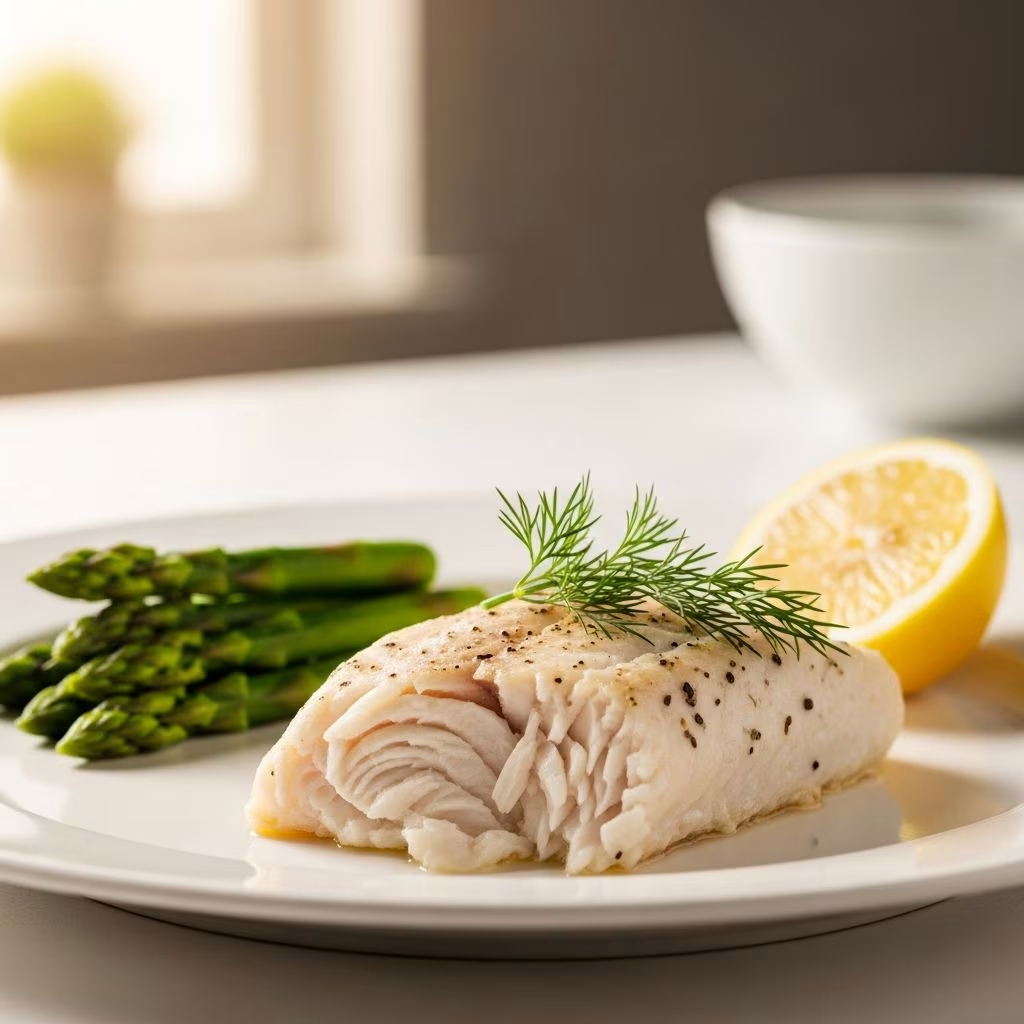
Swai fish, a mild-flavored white fish from Vietnam’s Mekong River, has gained popularity as an affordable seafood option. Known also as basa or pangasius, it provides lean protein but comes with debates over its health impacts due to farming practices.
What Is Swai Fish?
Swai fish (Pangasianodon hypophthalmus) is a freshwater catfish farmed intensively in Southeast Asia, primarily Vietnam. It features a firm texture and neutral taste, making it versatile for grilling, baking, or frying. Its low cost—often under $5 per pound—appeals to budget-conscious consumers seeking fish twice weekly as recommended by the FDA for heart health.
Unlike wild-caught fish, swai is almost exclusively farmed in crowded ponds. This leads to unique nutritional profiles and quality concerns. Farmers feed it rice bran, soy, canola, and fish by-products, which can include genetically modified ingredients, affecting its nutrient density.
Swai Fish Nutrition Facts
A 4-ounce (113g) serving of raw swai fish delivers approximately 79-100 calories, making it a low-calorie protein source ideal for weight management. It contains 15-19g of protein, supporting muscle repair and satiety without excess fats (0.5-2g total fat).
Key micronutrients include selenium (for thyroid function and antioxidants), niacin (B3 for energy metabolism), and vitamin B12 (for nerve health and red blood cells). Potassium around 385mg aids blood pressure regulation. However, cholesterol sits at 45-50mg per serving, about 15% of daily value.
| Nutrient | Amount per 4oz Serving | % Daily Value |
|---|---|---|
| Calories | 79-100 | 4% |
| Protein | 15-19g | 30-38% |
| Total Fat | 0.5-2g | 1-3% |
| Saturated Fat | 0g | 0% |
| Cholesterol | 45-50mg | 15% |
| Sodium | 30-50mg (varies) | 1-2% |
| Omega-3 (EPA+DHA) | 11-17mg | <1% |
| Selenium | ~20-30mcg | 35-55% |
| Vitamin B12 | ~1-2mcg | 40-80% |
| Niacin | ~2-3mg | 15-20% |
Data varies by source and processing; sodium may rise with additives like sodium tripolyphosphate for moisture retention.
Health Benefits of Swai Fish
- High-Quality Protein: With 15-19g per serving, swai supports muscle maintenance, especially for active individuals or those on high-protein diets for weight loss.
- Low in Calories and Fat: Fewer calories and saturated fats than beef or pork make it suitable for heart-healthy or low-fat diets.
- Essential Micronutrients: Selenium combats oxidative stress; B vitamins aid metabolism and prevent deficiencies common in plant-based diets.
- Supports Heart Health (Moderately): Lean protein and potassium contribute to cardiovascular wellness, aligning with dietary guidelines for fish consumption.
- Affordable Nutrition: Provides accessible protein for families, potentially increasing overall fish intake versus red meats.
Nutrition experts note swai’s role in diverse diets, though it lacks the robust omega-3s of fattier fish for optimal anti-inflammatory benefits.
Potential Downsides and Risks of Swai Fish
Despite benefits, swai’s intensive farming raises red flags. Crowded ponds foster disease, leading to antibiotic overuse—up to 4-6 times higher than regulated salmon farms.
- Low Omega-3 Content: Only 17mg EPA+DHA per 100g versus 717-1533mg in salmon, limiting heart and brain protective effects.
- Antibiotics and Chemicals: Residues from treatments for infections in polluted waters pose risks of antibiotic resistance.
- Mislabeling and Fraud: Studies show 58% of seafood mislabeled, with swai often sold as pricier fish, eroding trust.
- Environmental Impact: Unsustainable practices pollute waterways with waste, harming ecosystems.
- Processing Additives: Sodium tripolyphosphate increases sodium, potentially affecting those with hypertension.
Raw swai may harbor microbes from filthy conditions, though cooking mitigates this.
Is Swai Fish Safe to Eat?
U.S. imports are FDA-inspected, but lapses occur. The FDA deems it safe in moderation, yet advises variety. Vulnerable groups (pregnant women, children) should prioritize low-mercury alternatives. Recent studies confirm variable contaminant levels, urging certified sustainable sources.
Swai Fish Alternatives
Opt for nutrient-dense, sustainably sourced fish:
| Fish | Omega-3 (mg/100g) | Protein (g/4oz) | Mercury Risk | Sustainability |
|---|---|---|---|---|
| Wild Alaskan Salmon | 717-1533 | 23 | Low | High |
| Sardines | 982 | 25 | Very Low | High |
| Atlantic Mackerel | 2500 | 21 | Low | Moderate |
| Alaskan Pollock | 236 | 20 | Low | High |
| U.S. Farmed Catfish | 200 | 18 | Low | High |
These offer superior omega-3s for brain health, inflammation reduction, and vitamin D.
How to Prepare Swai Fish Safely
If choosing swai, select U.S. or ASC-certified brands. Rinse, pat dry, and cook to 145°F internal temperature. Recipes: Lemon herb bake, blackened with spices, or tacos. Avoid raw preparations.
Frequently Asked Questions (FAQs)
What is swai fish?
Swai is a farmed freshwater catfish from Vietnam, prized for its mild flavor and low price.
Is swai fish healthy?
It provides protein and B vitamins but low omega-3s and farming concerns make it less ideal than alternatives.
Does swai fish have mercury?
Mercury levels are low due to its short lifespan and freshwater habitat.
Is swai fish sustainable?
Many operations are not; seek ASC-labeled for better practices.
What’s the difference between swai and tilapia?
Both mild farmed fish, but swai has higher fat content and different origin; tilapia often cleaner farmed.
Bottom Line
Swai fish offers accessible lean protein and nutrients but falls short on omega-3s and carries risks from antibiotics and sustainability issues. Incorporate occasionally with better-sourced options like salmon for optimal health benefits.
References
- Swai Fish: Should You Eat or Avoid It? — Healthline. 2024-10-28. https://www.healthline.com/nutrition/swai-fish
- Swai Fish: Healthy or Unhealthy to Eat — Dr. Axe. N/A. https://draxe.com/nutrition/swai-fish/
- Swai Fish: Health Benefits, Nutrition, Side Effects — MedicineNet. N/A. https://www.medicinenet.com/is_it_safe_to_eat_swai_fish/article.htm
- Swai Fish: Is This Affordable Seafood Safe and Sustainable? — VitaRx. 2025-05-28. https://www.vitarx.co/resources/heart-blood-pressure/swai-fish
- Improvement of Microbial Quality, Physicochemical Properties, Fatty Acid Profile — PMC (PubMed Central). 2023. https://pmc.ncbi.nlm.nih.gov/articles/PMC10670765/