
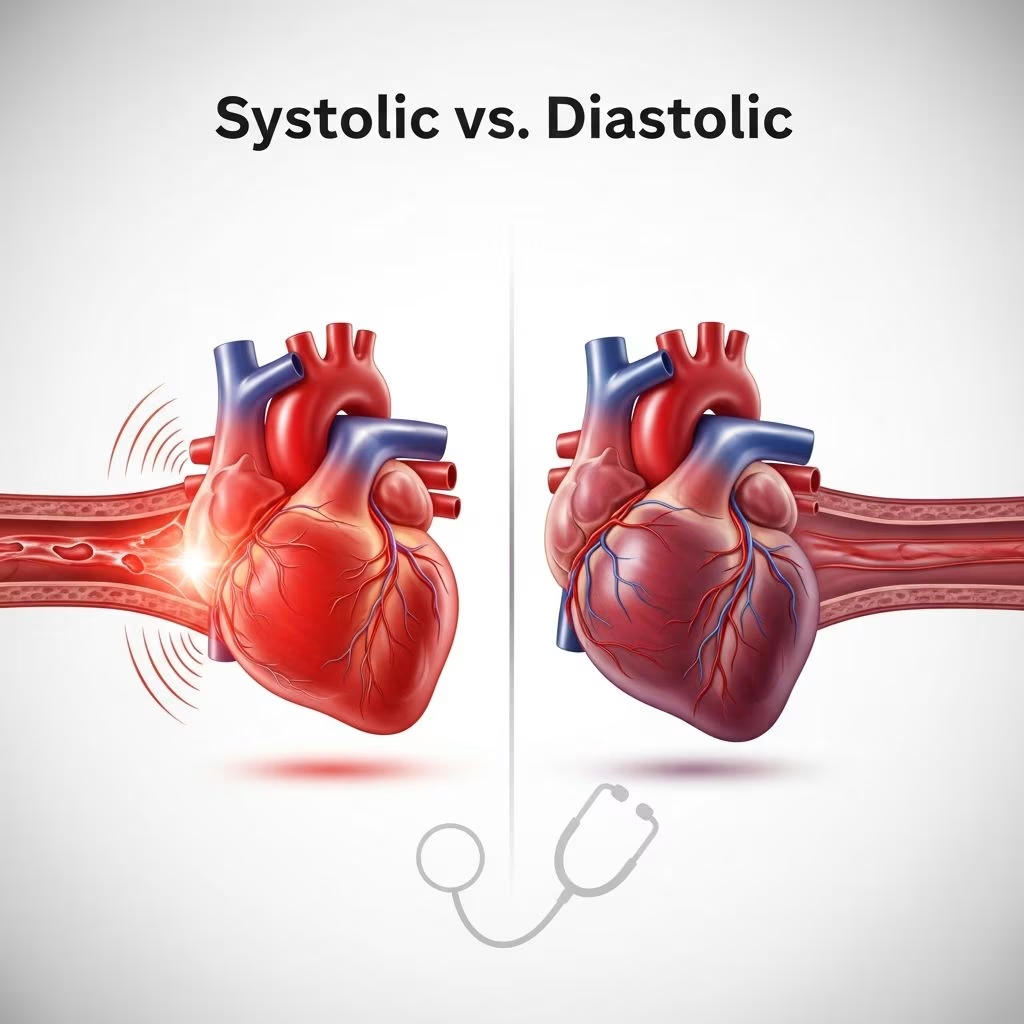
Blood pressure readings consist of two key numbers: systolic and diastolic. Systolic pressure measures the force when the heart beats, while diastolic measures it when the heart rests between beats. Understanding these helps assess cardiovascular health and detect issues like hypertension early.
What Is Systolic Blood Pressure?
Systolic blood pressure is the top number in a reading, representing the maximum pressure in arteries as the heart contracts. During systole, the heart’s ventricles squeeze to pump blood into the aorta and throughout the body. This peak pressure reflects the workload on the heart and arteries.
Normal systolic values are below 120 mm Hg. Elevated levels indicate the heart works harder, potentially due to stiffening arteries or plaque buildup, increasing risks for heart disease and stroke, especially in those over 50.
What Is Diastolic Blood Pressure?
Diastolic blood pressure is the bottom number, indicating minimum pressure when the heart relaxes and refills with blood. This phase, diastole, allows coronary arteries to supply oxygen-rich blood to the heart muscle.
A healthy diastolic reading is under 80 mm Hg. High diastolic pressure suggests ongoing vascular resistance, while low values may signal poor heart perfusion or other issues. For younger adults under 50, it can be a stronger predictor of cardiovascular risk.
Systolic vs. Diastolic: Key Differences
The primary distinction lies in timing: systolic during contraction (active pumping), diastolic during relaxation (refilling). Pulse pressure, the difference between them (typically 40-50 mm Hg), indicates arterial health. Widening pulse pressure may signal stiff arteries, while narrowing could indicate heart issues.
| Aspect | Systolic | Diastolic |
|---|---|---|
| Heart Phase | Contraction (beats) | Relaxation (between beats) |
| Reading Position | Top/First Number | Bottom/Second Number |
| Measures | Maximum Pressure | Minimum Pressure |
| Normal Range | <120 mm Hg | <80 mm Hg |
| Key Risk Insight | Critical for >50 years | Critical for <50 years |
Blood Pressure Categories
Blood pressure is classified by the American Heart Association into stages based on consistent readings. Diagnosis considers both numbers, with higher systolic or diastolic triggering categories.
| Category | Systolic (mm Hg) | Diastolic (mm Hg) |
|---|---|---|
| Normal | <120 | and <80 |
| Elevated | 120-129 | and <80 |
| Stage 1 Hypertension | 130-139 | or 80-89 |
| Stage 2 Hypertension | ≥140 | or ≥90 |
| Hypertensive Crisis | >180 | and/or >120 |
Hypotension is generally systolic below 90 or diastolic below 60 mm Hg, evaluated with symptoms.
Which Is More Important?
Both matter, but systolic often gets more focus, particularly post-50, due to links with arterial stiffness, plaque, and events like heart attacks or strokes. Diastolic gains importance in younger people, where every 10 mm Hg rise doubles stroke/heart disease risk between ages 40-89. Isolated systolic hypertension (high systolic, normal diastolic) is common in older adults.
High Systolic Blood Pressure
Elevated systolic pressure strains the heart, leading to left ventricular hypertrophy—thickened muscle from pumping against resistance. Risks include heart failure, stroke, and kidney damage. Causes: aging arteries, atherosclerosis, obesity, sedentary lifestyle, high salt intake, smoking.
- Arterial stiffening reduces elasticity.
- Plaque narrows vessels, raising pressure.
- Overactive sympathetic nervous system.
High Diastolic Blood Pressure
High diastolic reflects peripheral resistance from narrowed small arteries. Common in younger hypertension cases, linked to endothelial dysfunction, obesity, diabetes. Increases workload during rest, raising overall cardiovascular strain.
- Vascular smooth muscle contraction.
- Hormonal imbalances (e.g., high aldosterone).
- Kidney issues affecting fluid balance.
Low Blood Pressure (Hypotension)
Low readings can affect either number but often both. While not always problematic, symptomatic hypotension requires attention.
- Symptoms: Dizziness, fainting, fatigue, blurred vision, nausea, chest pain, confusion.
- Causes: Dehydration, medications, heart conditions, blood loss, endocrine disorders.
Symptoms and Complications
Hypertension is often silent, but extremes cause issues. High BP risks: heart attack, stroke, aneurysm, kidney failure, vision loss. Low BP: falls, organ underperfusion. Monitor for headaches, shortness of breath, irregular heartbeat.
Causes and Risk Factors
Modifiable: Diet (high sodium, low potassium), inactivity, excess weight, alcohol, tobacco.
Non-modifiable: Age, family history, race (higher in Black individuals), chronic conditions like diabetes or sleep apnea.
Management and Prevention
Lifestyle changes are first-line:
- Eat DASH diet: fruits, veggies, whole grains, low-fat dairy.
- Exercise 150 minutes/week moderate activity.
- Maintain healthy weight (BMI 18.5-24.9).
- Limit alcohol (<1-2 drinks/day).
- Quit smoking.
- Manage stress (meditation, yoga).
Medications (if needed): ACE inhibitors, beta-blockers, diuretics, calcium channel blockers. Regular home monitoring advised; consult providers for personalized plans.
How Blood Pressure Is Measured
Use validated cuff on upper arm at heart level, seated, rested 5 minutes. Avoid caffeine/smoking 30 minutes prior. Multiple readings average for accuracy. Ambulatory or clinical monitoring for whites coat hypertension.
Frequently Asked Questions
What causes isolated systolic hypertension?
Common in older adults due to arterial stiffening and reduced elasticity, despite normal diastolic pressure.
Can diastolic pressure drop with age?
Yes, often leading to wider pulse pressure, but monitor for symptoms if too low.
Is 120/80 perfect blood pressure?
It’s normal, but optimal is closer to 115/75 for lowest risk.
How often should I check blood pressure?
At-risk individuals: weekly; diagnosed hypertension: daily or as advised.
Does exercise lower systolic or diastolic more?
Both, but aerobic exercise often reduces systolic prominently.
When to See a Doctor
Seek immediate care for readings over 180/120, chest pain, severe headache, vision changes. Routine checks for those over 40, family history, or risks. Early intervention prevents complications.
References
- Understanding Blood Pressure Readings — American Heart Association. 2024. https://www.heart.org/en/health-topics/high-blood-pressure/understanding-blood-pressure-readings
- Diastole vs. Systole: Guide to Blood Pressure — Healthline. 2024-07-29. https://www.healthline.com/health/diastole-vs-systole
- Arterial Blood Pressure — CV Physiology. Accessed 2026. https://cvphysiology.com/blood-pressure/bp002
- Blood Pressure — Cleveland Clinic. Accessed 2026. https://my.clevelandclinic.org/health/diagnostics/17649-blood-pressure
- Pulse pressure: An indicator of heart health? — Mayo Clinic. Accessed 2026. https://www.mayoclinic.org/diseases-conditions/high-blood-pressure/expert-answers/pulse-pressure/faq-20058189