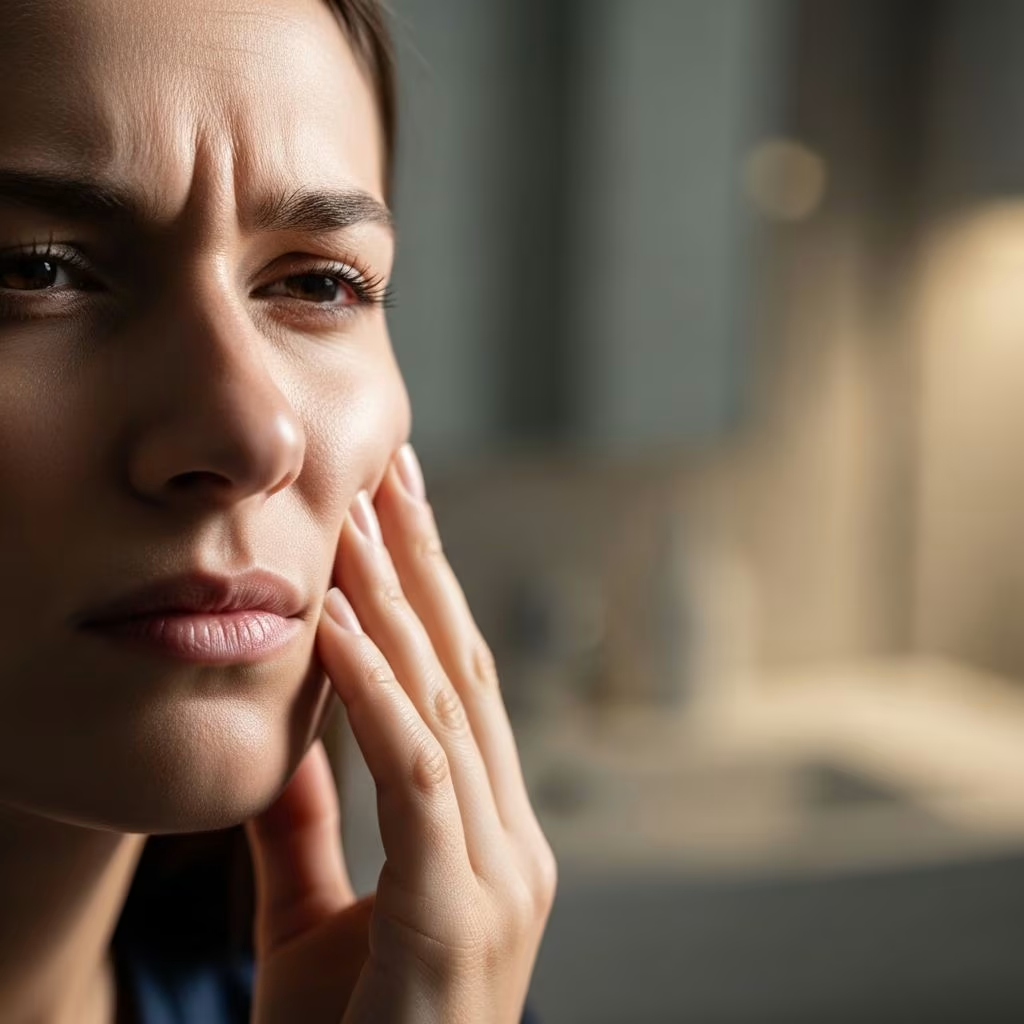
Tooth pain, commonly known as a toothache, affects millions worldwide and ranks among the most distressing types of pain. In Singapore alone, 32.4% of individuals experience pain from dental caries over their lifetime, highlighting its prevalence in primary care settings. This discomfort can stem from dental issues like cavities or infections, or mimic tooth pain from non-dental sources such as sinus problems or heart conditions. Prompt identification of the cause is crucial, as odontogenic pain (originating from teeth) requires dental intervention, while non-odontogenic pain may need medical evaluation elsewhere. This article explores causes, symptoms, treatments, home remedies, and when to seek professional help, empowering you to manage pain effectively while avoiding complications.
What Causes Tooth Pain?
Tooth pain arises from various sources, broadly categorized as odontogenic or non-odontogenic. Odontogenic pain is localized, sharp, and triggered by stimuli like hot, cold, or pressure, often linked to visible dental problems. Non-odontogenic pain, conversely, may feel like it’s in the teeth but originates elsewhere, requiring careful differentiation through history and exam.
Common Odontogenic Causes
Odontogenic pain typically features an acute onset, exquisite sensitivity to temperature, and aggravation by biting. Key causes include:
- Dental Caries (Cavities): Bacteria erode enamel, exposing nerves. Pain is sharp with sweets, hot, or cold foods.
- Dental Abscess: Infection at tooth root or gums causes throbbing pain, swelling, and pus. Untreated, it spreads systemically.
- Cracked or Fractured Tooth: Trauma exposes pulp, leading to sharp pain on chewing.
- Periodontal Disease: Gum inflammation causes dull ache, bleeding, and tooth mobility.
- Impacted Wisdom Teeth: Erupted partially, they trap food and cause pericoronitis with swelling and pain.
Table 1 summarizes odontogenic causes seen in primary care:
| Cause | Symptoms | Key Signs |
|---|---|---|
| Dental Caries | Sharp pain to hot/cold | Visible decay on exam |
| Abscess | Throbbing, swelling | Tenderness to percussion, pus |
| Cracked Tooth | Pain on biting | Visible fracture, sensitivity |
| Periodontal Disease | Dull ache, bleeding gums | Gum recession, mobility |
Non-Odontogenic Causes
These mimic tooth pain but spare dental structures. Examples include sinusitis (upper teeth pain with congestion), trigeminal neuralgia (electric shocks), or even acute coronary syndrome (left-sided jaw pain). Red flags like fever, neck stiffness, or vision changes signal urgent issues like temporal arteritis or peritonsillar abscess.
Symptoms of Tooth Pain
Beyond throbbing or sharpness, watch for swelling, fever, bad breath, or pain radiating to ear/jaw. Odontogenic symptoms linger post-stimulus; non-odontogenic may be constant or positional (e.g., lying down worsens sinus-related pain).
How to Relieve Tooth Pain at Home
While awaiting dental care, these remedies provide temporary relief:
- Cold Compress: Apply ice wrapped in cloth to cheek for 15 minutes to reduce swelling.
- Saltwater Rinse: Gargle warm salt water (1 tsp salt in 8 oz water) to cleanse and soothe.
- Clove Oil: Dab eugenol-rich oil on cotton for numbing effect.
- Hydrogen Peroxide Rinse: Dilute 3% solution 1:1 with water; swish to kill bacteria (don’t swallow).
- Peppermint Tea Bags: Tannins numb; apply cooled bag to area.
Avoid extreme temperatures or hard foods to prevent worsening.
Medications for Tooth Pain Relief
Over-the-counter options target inflammation and pain. NSAIDs like ibuprofen are first-line, outperforming acetaminophen alone for dental pain.
Non-Opioid Analgesics
- Ibuprofen (Advil): 400-600 mg every 6-8 hours; reduces pain and swelling. Effective and cost-efficient for odontogenic pain.
- Acetaminophen (Tylenol): 500-1000 mg every 4-6 hours; max 4000 mg/day. Safer for NSAID-intolerant.
- Combination: Ibuprofen + acetaminophen superior per reviews.
Opioids (Prescription Only)
For severe cases: Codeine 15-60 mg every 4 hours (max 360 mg/day), often with acetaminophen. Less effective than NSAIDs; short-term use only.
Topical Anesthetics
Benzocaine or lidocaine gels numb gums; apply up to 4x daily. Block nerve signals locally.
Antibiotics
Only for infection spread (swelling, fever, lymphadenopathy). Not for pain alone, as they don’t reduce discomfort or prevent complications without evidence. Common: Amoxicillin, clindamycin.
| Medication Type | Examples | Dosage | Precautions |
|---|---|---|---|
| NSAIDs | Ibuprofen | 400 mg 3x/day | Stomach ulcers, kidney issues |
| Acetaminophen | Tylenol | 500-1000 mg q4-6h | Liver damage if overdosed |
| Topical | Benzocaine | Apply 4x/day | Methemoglobinemia risk |
Prevention Tips for Tooth Pain
Daily oral hygiene prevents most cases:
- Brush twice daily with fluoride toothpaste.
- Floss daily to remove plaque.Use mouthwash.
- Regular dental check-ups every 6 months.
When to See a Dentist for Tooth Pain
Seek immediate care if:
- Pain >2 days or unresponsive to OTC meds.
- Fever, swelling, bleeding, bad taste.
- Swollen jaw/cheek, difficulty swallowing.
- Trauma or loose tooth.
- Red flags: Chest pain, vision changes.
Primary care can assess; refer odontogenic cases promptly.
Frequently Asked Questions (FAQs)
Is tooth pain always a dental problem?
No, it can be non-odontogenic like sinusitis or cardiac issues. Exam differentiates.
Can I use antibiotics for toothache without seeing a dentist?
No, only if infection spreads (fever/swelling). Unnecessary use risks resistance.
What’s the best OTC pain reliever for toothache?
NSAIDs like ibuprofen; combine with acetaminophen for better effect.
How long can I wait with a toothache?
No more than 2 days; sooner if severe symptoms.
Does clove oil really work for tooth pain?
Yes, temporarily numbs due to eugenol; not a cure.
References
- Managing tooth pain in general practice — Tan HP, et al. Singapore Med J. 2019-05-01. https://pmc.ncbi.nlm.nih.gov/articles/PMC6535452/
- Best medication for toothache: Types and precautions — Medical News Today. 2023-10-18. https://www.medicalnewstoday.com/articles/best-medication-for-toothache