
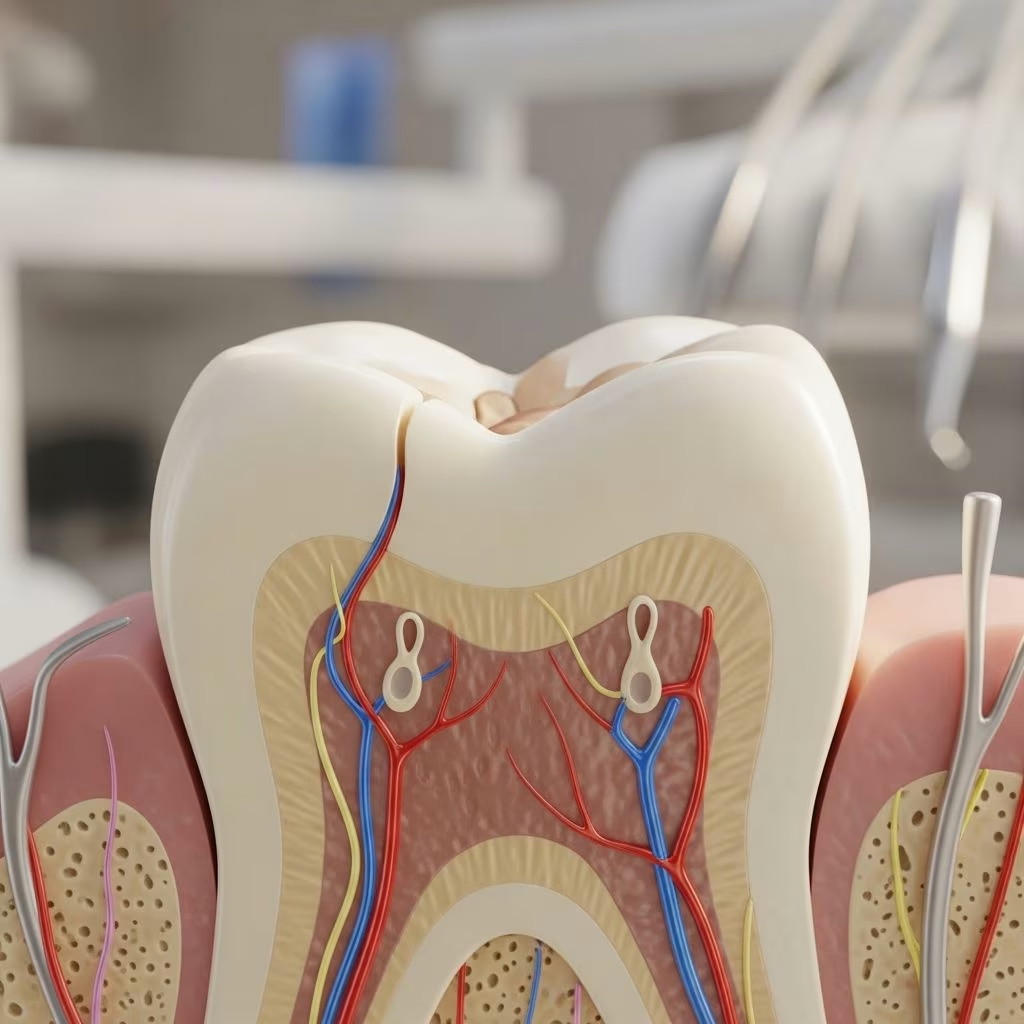
Tooth sensitivity, or dentin hypersensitivity, affects approximately 40 million Americans, triggering sharp pain from hot, cold, sweet, or acidic stimuli. This discomfort arises when the tooth’s protective enamel wears down or gums recede, exposing sensitive dentin beneath.
What Is Tooth Sensitivity?
Tooth sensitivity occurs when dentin, the layer under enamel, becomes exposed. Dentin contains microscopic tubules that connect directly to the tooth’s nerve, allowing triggers like temperature changes or sweets to cause sharp, shooting pain. In healthy teeth, enamel covers the crown and cementum protects the root, shielding dentin. When these layers erode, hypersensitivity results.
Symptoms include sudden pain during eating ice cream, sipping hot coffee, brushing, or breathing cold air. While common, persistent sensitivity may signal underlying issues like decay or gum disease, warranting a dental visit.
Common Causes of Tooth Sensitivity
Several factors contribute to enamel erosion and dentin exposure. Understanding these helps in prevention and treatment.
- Aggressive Brushing: Brushing too hard with firm bristles wears down enamel and recedes gums, exposing dentin. Opt for soft-bristled brushes and gentle techniques recommended by the ADA.
- Acidic and Sugary Foods/Drinks: Frequent citrus, soda, coffee, or sweets soften enamel, accelerating wear. Sugars also feed bacteria, promoting decay.
- Gum Recession: Gums pulling away from teeth expose roots covered only by thin cementum, leading to sensitivity.
- Tooth Decay (Cavities): Cavities erode enamel, exposing dentin and causing pain.
- Fractured or Cracked Teeth: Chips or cracks reveal inner dentin layers.
- Worn or Leaking Fillings: Old fillings fail, allowing exposure.
- Teeth Grinding (Bruxism): Nighttime grinding wears enamel over time.
- Recent Dental Work or Whitening: Procedures like bleaching temporarily heighten sensitivity.
- Gum Disease (Periodontitis): Inflammation causes gum recession.
How to Treat Tooth Sensitivity at Home
Immediate relief is possible with over-the-counter options and habit changes while awaiting professional care.
- Desensitizing Toothpaste: Formulated with potassium nitrate or stannous fluoride, it blocks dentin tubules. Use twice daily for 2-4 weeks for full effect.
- Soft-Bristled Toothbrush: Prevents further wear; brush gently in circular motions.
- Fluoride Mouthwash or Gel: Strengthens enamel; rinse as directed.
- Avoid Triggers: Limit extreme temperatures, acids, and sweets. Use a straw for cold drinks.
For severe cases, products like mouthwashes with potassium oxalate block 97% of tubules after six uses, per lab studies.
Professional Treatments for Tooth Sensitivity
Dentists offer targeted solutions based on the cause.
| Treatment | Description | Best For |
|---|---|---|
| Fluoride Varnish | High-concentration fluoride seals dentin | Mild sensitivity |
| Sealants/Bonding | Resin covers exposed roots | Gum recession |
| Dental Crowns | Protects cracked teeth | Fractures |
| Fillings/Replacements | Repairs cavities or leaks | Decay/fillings |
| Root Canal | Removes nerve if severely damaged | Advanced cases |
| Gum Grafts | Covers receded gums | Severe recession |
Professionals diagnose via exam or X-rays, addressing root causes like infections.
Prevention Tips to Avoid Tooth Sensitivity
Proactive habits maintain enamel and gums.
- Brush twice daily with soft brush and fluoride toothpaste.
- Floss daily to prevent plaque buildup.
- Use desensitizing products if at risk.
- Limit acidic/sugary intake; rinse after consumption.
- Wear night guard for grinding.
- Visit dentist biannually for cleanings.
- Quit smoking to protect gums.
When to See a Dentist for Tooth Sensitivity
Seek care if sensitivity lasts over weeks, worsens, or accompanies swelling, fever, or bleeding gums—it may indicate cavities, cracks, or periodontitis. Early intervention prevents complications.
Frequently Asked Questions (FAQs)
What triggers tooth sensitivity?
Hot/cold foods, sweets, acids, brushing, or air.
Does sensitivity mean cavities?
Not always, but it can; get checked.
How long does desensitizing toothpaste take?
2-4 weeks for optimal relief.
Can sensitivity be permanent?
Treatable; untreated issues may worsen.
Is sensitivity common after whitening?
Yes, temporary; use desensitizers.
References
- Sensitive Teeth — MouthHealthy (ADA). Accessed 2026. https://www.mouthhealthy.org/all-topics-a-z/sensitive-teeth
- Sensitive Teeth: Causes, Treatment & Prevention — Cleveland Clinic. 2023-10-12. https://my.clevelandclinic.org/health/symptoms/10954-teeth-sensitivity
- Top 5 Causes of Tooth Sensitivity — Cornerstone Dentistry. Accessed 2026. https://cornerstonesmiles.com/top-5-causes-of-tooth-sensitivity/
- How to Relieve Tooth Sensitivity & Pain — Listerine. Accessed 2026. https://www.listerine.com/tooth-sensitivity/tooth-pain-relief