
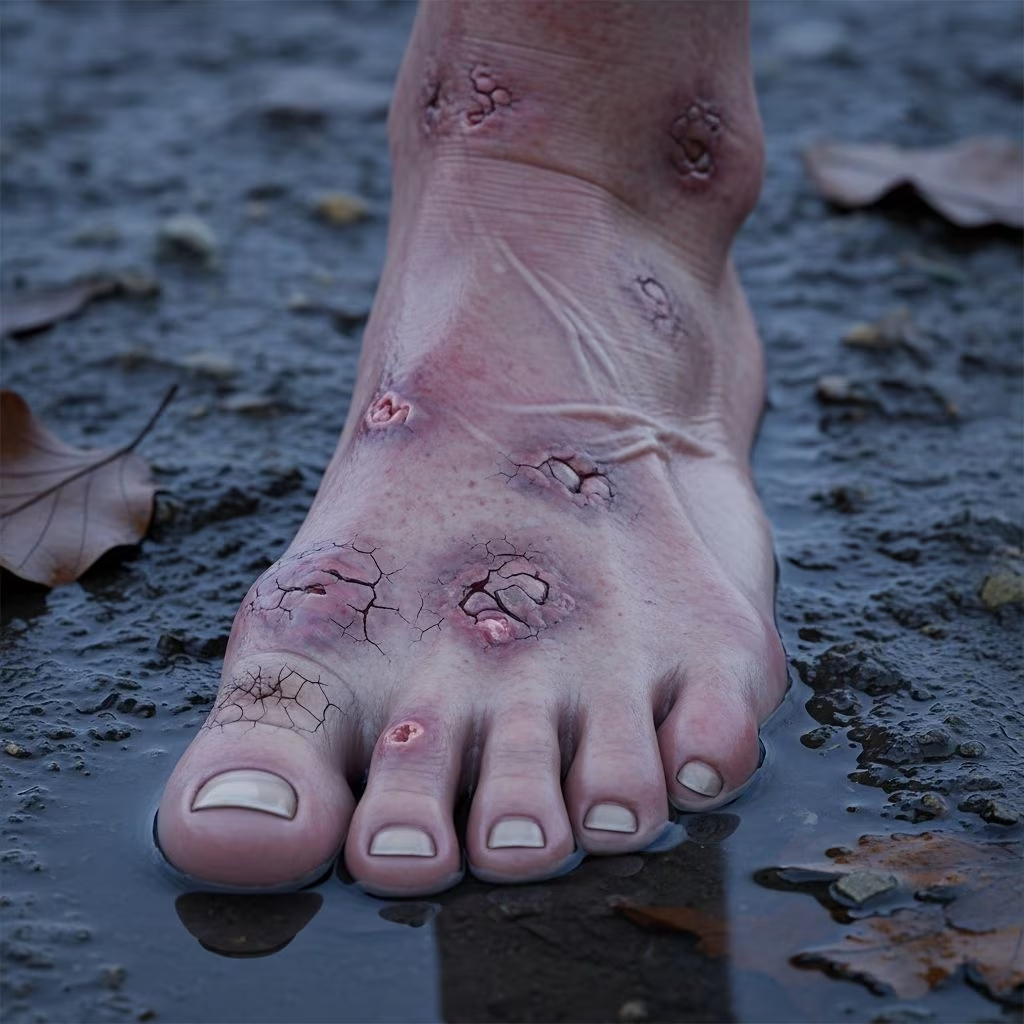
What Is Trench Foot?
Trench foot, also known as immersion foot syndrome, is a medical condition that develops when feet are exposed to cold, wet environments for extended periods. Unlike frostbite, trench foot occurs at temperatures above freezing, typically between 32°F and 60°F (0°C to 16°C). The condition is named after World War I, when soldiers standing in waterlogged trenches developed severe foot problems due to prolonged exposure to cold and moisture.
Causes of Trench Foot
Trench foot is primarily caused by prolonged exposure to cold and wet conditions. The combination of moisture and cold temperatures restricts blood flow to the feet, leading to tissue damage. Key factors that contribute to trench foot include:
- Wearing wet socks and boots for extended periods
- Standing or walking in cold, wet environments
- Excessive sweating (hyperhidrosis)
- Poor circulation
- Unsanitary conditions
Symptoms of Trench Foot
The symptoms of trench foot can vary depending on the severity and duration of exposure. Early symptoms include:
- Tingling and itching
- Numbness
- Prickling or heavy sensation in the feet
- Difficulty walking
- Bright red feet that may turn pale, clammy, and white
As the condition progresses, more severe symptoms may develop:
- Pain and swelling
- Burning sensation
- Skin breakdown and blisters
- Ulcers and sores
- Increased risk of infection
Diagnosis of Trench Foot
Trench foot is typically diagnosed through a physical examination and a review of the patient’s history. Healthcare providers will examine the feet for signs of tissue damage and ask about recent exposure to cold, wet environments. In some cases, additional tests may be performed to assess nerve function and circulation.
Treatment of Trench Foot
Early diagnosis and treatment are crucial for preventing complications from trench foot. Treatment options include:
- Gentle rewarming of the feet (rapid rewarming can cause severe pain and swelling)
- Cleaning and drying the feet
- Resting and elevating the feet above the heart to prevent new wounds and blisters
- Medications to manage pain and prevent infection
- Tetanus booster shot if necessary
Patients should avoid smoking and using products containing nicotine, as these can impair blood flow to the feet. A high-protein diet and staying well-hydrated are also recommended.
Complications of Trench Foot
If left untreated, trench foot can lead to serious complications, including:
- Cellulitis (skin infection)
- Gangrene (tissue death)
- Amputation (in severe cases)
- Sepsis (life-threatening infection)
- Death
Prevention of Trench Foot
Preventing trench foot involves taking precautions when exposed to cold, wet environments. Key preventive measures include:
- Wearing properly fitting boots that allow for adequate circulation
- Changing out of wet socks and boots as soon as possible
- Airing out boots completely
- Keeping feet dry and warm
- Using moisture-wicking socks
- Avoiding prolonged exposure to cold, wet conditions
Historical Context
Trench foot became widely recognized during World War I, when soldiers standing in waterlogged trenches for long periods developed the condition. More than 20,000 British troops were treated for trench foot between 1914 and 1915. Today, prevention and treatment options are well known, but the condition still affects people in the military, construction workers, and others exposed to cold, wet environments.
Who Is at Risk?
Trench foot most commonly affects:
- Military personnel during training and combat operations
- Construction workers
- Outdoor enthusiasts
- Homeless individuals
- Anyone exposed to cold, wet conditions for extended periods
Stages of Trench Foot Progression
| Stage | Symptoms | Duration |
|---|---|---|
| Mild | Tingling, itching, numbness | 1-3 days |
| Moderate | Pain, swelling, redness | 3-7 days |
| Severe | Skin breakdown, blisters, ulcers | 7+ days |
Frequently Asked Questions (FAQs)
Q: Can trench foot occur in temperatures above freezing?
A: Yes, trench foot can develop in temperatures up to 60°F (16°C).
Q: How long does it take to develop trench foot?
A: Most cases develop after 1-3 days of exposure, but it can occur in as little as 10-14 hours.
Q: Is trench foot treatable?
A: Yes, trench foot is treatable if caught early. Treatment includes gentle rewarming, cleaning, and keeping the feet dry and warm.
Q: Can trench foot lead to amputation?
A: In severe cases, untreated trench foot can lead to gangrene and the need for amputation.
Q: How can I prevent trench foot?
A: Prevent trench foot by wearing properly fitting boots, changing out of wet socks and boots, and keeping feet dry and warm.
References
- Trench Foot: Symptoms, Causes & Treatment — Cleveland Clinic. 2023. https://my.clevelandclinic.org/health/diseases/24392-trench-foot
- Addressing Trench Foot Symptoms with Rubber Boots — IRONPROS. 2023. https://www.ironpros.com/workwear/article/22908550/addressing-trench-foot-symptoms-with-rubber-boots
- Trench Foot or Non-Freezing Cold Injury As a Painful Vaso — PMC. 2017. https://pmc.ncbi.nlm.nih.gov/articles/PMC5626869/