
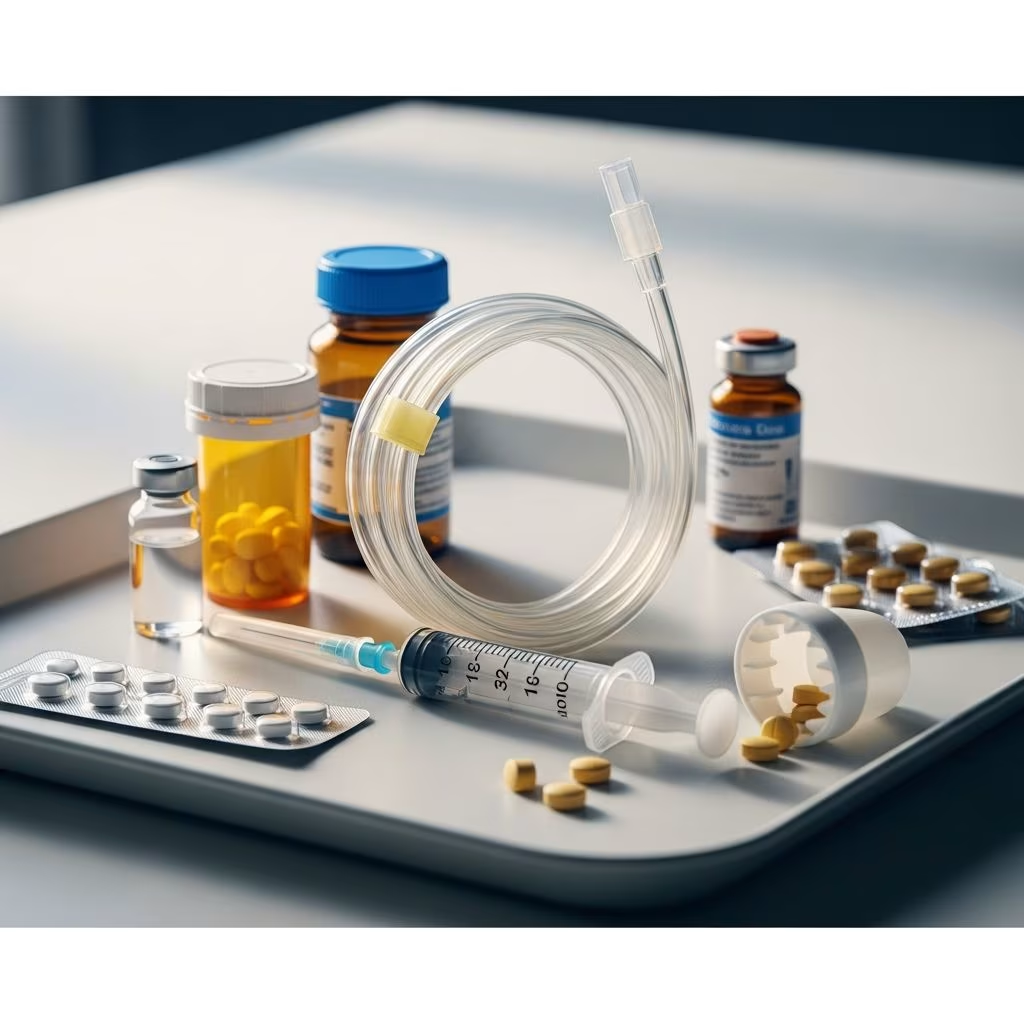
Tube feeding, or enteral nutrition, delivers essential nutrients, fluids, and medications directly into the stomach or intestine when oral intake is not possible. This method supports patients with swallowing difficulties, severe malnutrition, or gastrointestinal issues by bypassing the mouth and esophagus.
Why Tube Feeding Becomes Necessary
Patients unable to consume adequate nutrition orally risk malnutrition, which impairs healing and worsens health outcomes. Common reasons include neurological disorders, cancer treatments, surgical recovery, or critical illnesses where swallowing is unsafe. Tube feeding provides a controlled way to supply calories, proteins, fats, vitamins, minerals, and hydration, mimicking normal digestion processes.
Healthcare teams, including physicians, nurses, and dietitians, assess needs to determine tube type and formula. For short-term use (under 4-6 weeks), nasal tubes suffice; longer durations require abdominal placements.
Types of Feeding Tubes and Placement Methods
Feeding tubes vary by location, duration, and insertion technique to suit patient conditions.
| Type | Placement Path | Typical Use Duration | Common Procedure |
|---|---|---|---|
| Nasogastric (NG) | Nose to stomach | Short-term (up to 6-8 weeks) | Bedside insertion |
| Nasojejunal (NJ) | Nose to small intestine | Short-term, when stomach feeding not tolerated | Endoscopic or fluoroscopic guidance |
| Gastrostomy (G-tube, PEG) | Abdominal wall to stomach | Long-term (>6 weeks) | Percutaneous endoscopic gastrostomy |
| Jejunostomy (J-tube) | Abdominal wall to jejunum | Long-term | Surgical or percutaneous |
Nasal tubes like NG are flexible and inserted at bedside, ideal for temporary needs. Gastrostomy tubes involve endoscopic or radiographic procedures: an endoscope guides a tube through the mouth to the stomach, followed by a small abdominal incision for external placement. Surgical options secure the tube via laparotomy for stability.
Administering Nutrition Through Tubes
Tube feeding formulas are liquid blends tailored to needs, delivering balanced macronutrients and micronutrients. Delivery methods include:
- Bolus: Large volumes via syringe multiple times daily, simulating meals.
- Continuous: Slow pump infusion over hours, reducing reflux risk.
- Gravity: Formula drips from a bag, controlled by clamps.
Start with water flushes to check tube patency, followed by formula at prescribed rates. Dietitians calculate requirements based on age, weight, and condition.
Safely Giving Medications Via Feeding Tubes
Many drugs can be crushed and dissolved for tube delivery, but compatibility with formulas is crucial to avoid interactions or blockages. Key guidelines:
- Consult pharmacists for tube-friendly forms: liquids preferred; crush tablets to fine powder, avoid extended-release.
- Flush tube with 15-30ml water before/after each dose to prevent clogs.
- Separate medications from feeds by 1-2 hours if incompatible.
Examples: Antibiotics, pain relievers, and vitamins often work well; enteric-coated or viscous drugs may not. Always verify with healthcare providers.
Daily Care and Maintenance for Feeding Tubes
Proper upkeep prevents infections and complications. Rotate site daily, clean with soap/water, and monitor for redness or leakage. Check residuals before feeds to assess tolerance.
- Flush tubes 4-6 times daily or after each use.
- Secure tubes to avoid pulling.
- Replace per schedule: nasal every 4 weeks, percutaneous as needed.
Recognizing and Handling Complications
While effective, tube feeding carries risks like tube clogging, aspiration, diarrhea, or displacement.
| Complication | Symptoms | Management |
|---|---|---|
| Clogging | No flow, resistance | Warm water flush; declogging agents if persistent |
| Infection | Redness, pus at site | Clean site; antibiotics if needed |
| Aspiration | Coughing, fever | Elevate head; reposition tube |
| Diarrhea | Loose stools | Adjust formula rate; fiber additives |
Prompt reporting to providers ensures quick resolution.
Home Tube Feeding: Practical Tips
Many manage enteral nutrition at home post-training. Supply kits include pumps, formula bags, and extension sets. Schedule feeds around lifestyles, store formulas refrigerated, and track intake/output.
Caregivers learn emergency protocols, like tube replacement signs.
Nutritional Monitoring and Adjustments
Regular weigh-ins, blood tests, and dietitian reviews optimize therapy. Adjust for weight changes or tolerances.
Frequently Asked Questions (FAQs)
Can all medications be given through a feeding tube?
No, some require specific forms. Consult a pharmacist.
How often should I flush the tube?
Before/after feeds and meds, at least 4-6 times daily.
Is tube feeding painful?
Insertion may involve sedation; daily use is generally comfortable.
Can patients eat by mouth while tube fed?
Sometimes, for pleasure or supplements, under guidance.
How long can tube feeding continue?
Short or indefinite, based on condition.
Transitioning Off Tube Feeding
As swallowing improves, gradual oral trials with therapy aid weaning. Monitor nutrition to prevent relapse.
References
- Feeding Tube – StatPearls — NCBI Bookshelf. 2023-07-17. https://www.ncbi.nlm.nih.gov/books/NBK559044/
- Feeding tubes — what you should know — Roswell Park Comprehensive Cancer Center. 2021-06-01. https://www.roswellpark.org/cancertalk/202106/feeding-tubes-what-you-should-know
- Understanding Tube Feeding & Enteral Nutrition — Peptamen. Accessed 2023. https://www.peptamen.com/understanding-tube-feeding
- Tube Feeding (Enteral Nutrition) — Cleveland Clinic. 2023-05-15. https://my.clevelandclinic.org/health/treatments/21098-tube-feeding–enteral-nutrition
- What is Tube Feeding — Tube-Feeding.com. Accessed 2023. https://www.tube-feeding.com/understanding-the-decision/what-is-tube-feeding.html
- The Facts About Feeding Tubes — Wellstar Health System. Accessed 2023. https://www.wellstar.org/for-patients/advance-care-planning/the-facts-about-feeding-tubes
- Tube feeding: MedlinePlus Medical Encyclopedia Image — MedlinePlus. 2022-11-01. https://medlineplus.gov/ency/imagepages/19965.htm