
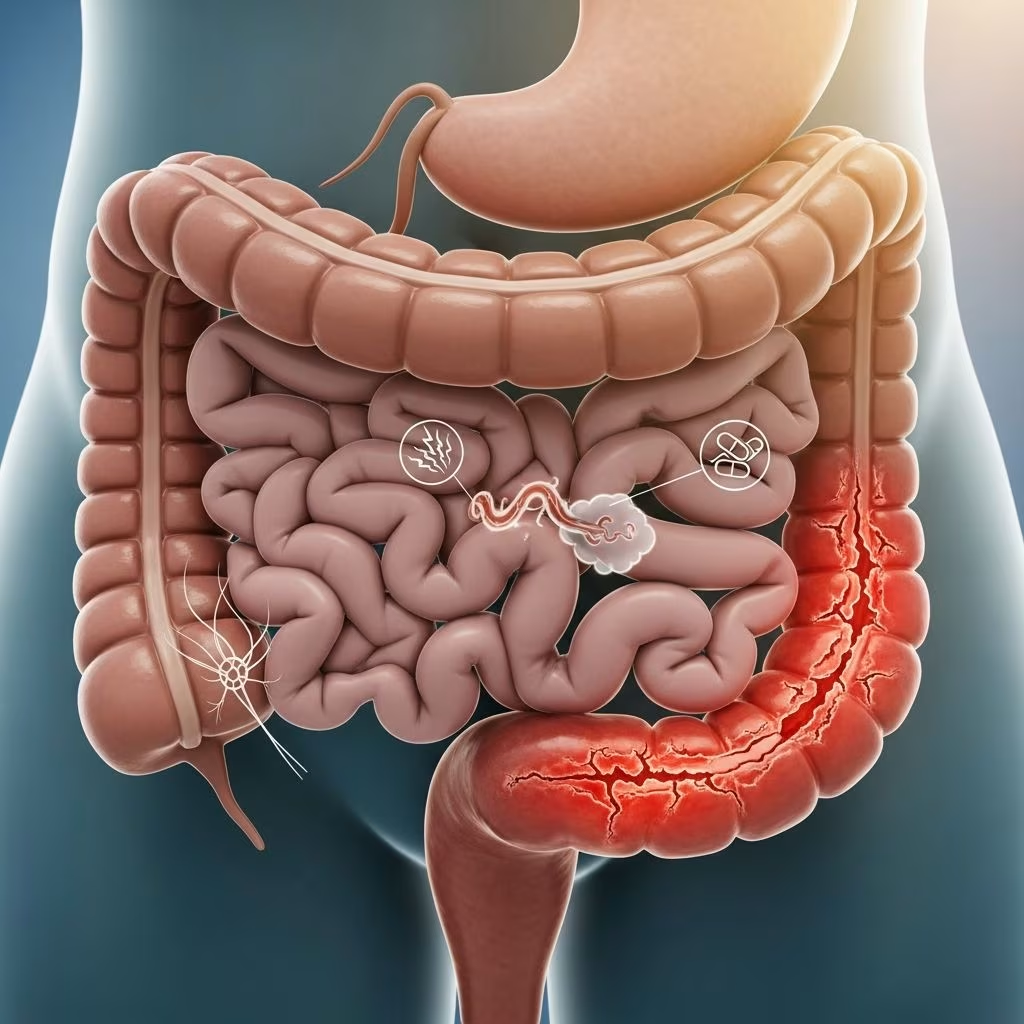
Ulcerative colitis (UC) is primarily associated with diarrhea, urgency, and frequent bowel movements, but constipation is a surprisingly common yet underrecognized symptom that affects up to 50% of patients. Known as ulcerative colitis-associated constipation (UCAC), this condition can occur during flares or remission, complicating management. Understanding the mechanisms behind this paradox is crucial for effective treatment and improving quality of life.
What Is Ulcerative Colitis-Associated Constipation (UCAC)?
UCAC refers to constipation occurring in patients with ulcerative colitis, distinct from typical functional constipation. Research indicates that 33% to 50% of UC patients experience occasional or persistent constipation, characterized by reduced stool frequency, hard stools, and straining. Unlike classic UC symptoms like bloody diarrhea, UCAC often involves proximal colon accumulation of stool proximal to inflamed areas.
Symptoms must persist for at least three months and include at least two of the following:
- Reduced defecation frequency (less than three times per week)
- Hard or lumpy stools
- Sense of incomplete evacuation (tenesmus)
- Excessive straining
- Abdominal bloating or pain
- Excessive gas or flatus
In a study of 125 UC patients, 46% met criteria for proximal constipation, with bloating affecting 81%, reduced frequency in 69%, and hard stools in 43%.
How Common Is Constipation in Ulcerative Colitis?
While not the hallmark symptom, constipation impacts a significant portion of UC patients. A cross-sectional study found 46% prevalence of proximal constipation, more common in females (OR 3.45), left-sided colitis (OR 2.84), and active disease (OR 5.56). It can alternate with diarrhea, varying by disease extent, inflammation severity, and post-surgical complications like pouch dysfunction.
Prevalence data:
| Factor | Prevalence/Association |
|---|---|
| Female gender | OR 3.45 |
| Left-sided colitis | OR 2.84; 77% of cases |
| Active disease | OR 5.56 |
| Overall in UC patients | 33-50% occasional; 46% proximal |
Why Does Ulcerative Colitis Cause Constipation?
The exact mechanisms are multifactorial, involving inflammation, motility changes, and functional disruptions. Constipation arises from dysmotility where stool accumulates in the right colon while the distal inflamed area propels contents irregularly.
Right-Sided Transit Delays (Proximal Constipation)
In left-sided or distal colitis, stool transit slows in the right (proximal) colon, leading to hard stool formation and reduced frequency. Inflammation causes distal hypermotility but proximal stasis. This “proximal constipation” affects 46% of patients and normalizes with remission in some cases.
Nervous System Dysfunction
UC inflammation disrupts the enteric nervous system, altering neural signaling and colon muscle contractions. This leads to uncoordinated peristalsis, slowed transit, and constipation even in remission.
Mechanical Obstructions and Complications
Rare but serious, strictures (narrowed colon segments from chronic inflammation) or toxic megacolon can obstruct flow. Post-surgical strictures or pouches also contribute. These require imaging for diagnosis.
Other Contributing Factors
- Rectal Inflammation: Causes hypersensitivity, reducing compliance and exacerbating tenesmus.
- Disease Activity: More common in flares but persists in proctitis remission.
- Medications: Some UC drugs like opioids for pain indirectly worsen motility.
- Diet and Dehydration: Low-fiber intake during flares aggravates hard stools.
Symptoms to Watch For
UCAC symptoms overlap with flares but include:
- Bloating (81%)
- Reduced stool frequency (69%)
- Hard stools (43%)
- Abdominal pain/cramps (40%)
- Excessive flatus (29%)
- Straining (24%)
- Incomplete emptying (14%)
Differentiate from obstruction: Seek care for severe pain, vomiting, or no bowel movements for days.
Treatments and Management Strategies
Treating UCAC improves remission rates and prevents treatment escalation, per British Society of Gastroenterology guidelines. Management combines UC therapy intensification with constipation relief.
Pharmacological Approaches
- Anti-Inflammatories: 88% of cases respond to escalated aminosalicylates, steroids, or biologics/JAK inhibitors.
- Laxatives: Used in 63%; macrogol (33%), sterculia fiber (43%), picosulfate (6%). Avoid stimulants in active UC.
Lifestyle and Dietary Interventions
- Increase soluble fiber (psyllium, sterculia) gradually.
- Hydrate adequately (2-3L/day).
- Exercise daily to stimulate motility.
- Probiotics may aid dysbiosis-related dysmotility.
Treatment comparison:
| Treatment Type | Usage in UCAC | Effectiveness |
|---|---|---|
| Anti-inflammatory escalation | 88% | High; promotes remission |
| Macrogol laxatives | 33% | Good for proximal stasis |
| Sterculia fiber | 43% | Softens stools safely |
| Diet/exercise | Low recorded use | Supportive |
When to See a Doctor
Consult if constipation lasts >3 days with pain, blood, weight loss, or no response to laxatives. Transit studies or colonoscopy may diagnose strictures. Early intervention prevents complications.
Frequently Asked Questions (FAQs)
Is constipation normal with ulcerative colitis?
Yes, it affects 33-50% of patients, especially proximal constipation in left-sided disease.
Can UCAC occur during remission?
Yes, due to persistent motility changes or rectal inflammation.
What laxatives are safe for UC patients?
Macrogol, sterculia, and psyllium; avoid stimulants during flares.
Does treating constipation help UC?
Yes, it improves remission and outcomes.
How is proximal constipation diagnosed?
Via symptoms, transit studies, or imaging; common in active distal colitis.
References
- Ulcerative Colitis and Constipation: What’s the Connection? — HealthCentral. 2023. https://www.healthcentral.com/article/ulcerative-colitis-constipation
- Characterization of ulcerative colitis‐associated constipation (UCAC). — NIH/PMC (Peer-reviewed). 2018-10-11. https://pmc.ncbi.nlm.nih.gov/articles/PMC6207018/