
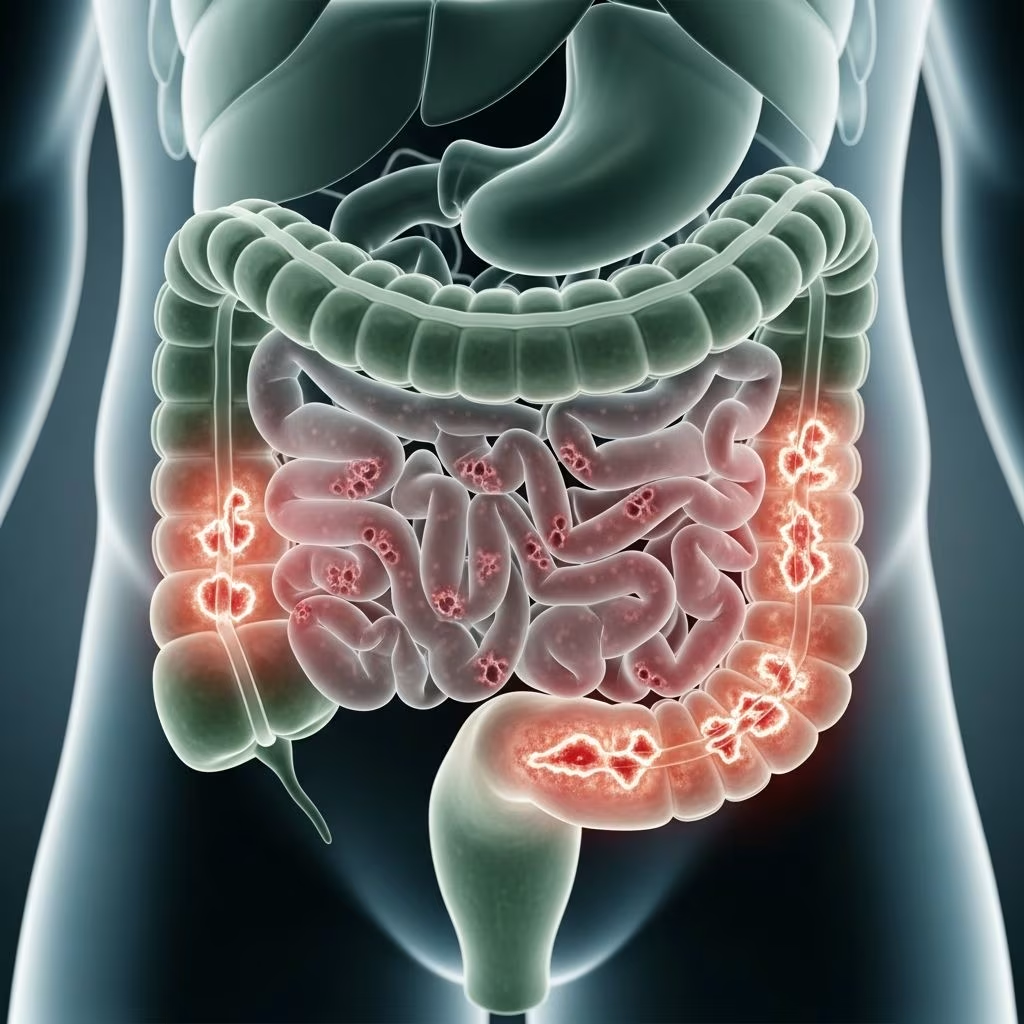
Ulcerative colitis is a type of inflammatory bowel disease (IBD) that causes long-term inflammation and ulcers in the innermost lining of the large intestine (colon) and rectum. Affecting approximately one million Americans, it leads to symptoms ranging from mild discomfort to severe complications, with periods of remission and flare-ups.
Symptoms of Ulcerative Colitis
Symptoms of ulcerative colitis vary based on the severity of inflammation and the extent of colon involvement. Most people experience mild to moderate symptoms, but flares can intensify them. Common signs develop gradually and include:
- Diarrhea, often containing blood, mucus, or pus, sometimes accompanied by fever.
- Abdominal pain and cramping, typically on the lower left side.
- Rectal pain and bleeding.
- Urgent need to defecate (tenesmus), sometimes with inability to pass stool despite urgency.
- Fatigue and anemia from blood loss.
- Weight loss and loss of appetite.
- Fever during flares.
- In children, delayed growth and development.
About half of patients have mild to moderate symptoms, with long remission periods possible. Symptoms can disrupt daily life, causing emotional stress alongside physical pain.
Types of Ulcerative Colitis
Ulcerative colitis is classified by the location and extent of inflammation, which influences symptoms:
- Ulcerative proctitis: Limited to the rectum. Primary symptoms are rectal bleeding, urgency, or constipation. This mild form affects only the area nearest the anus.
- Left-sided colitis (distal colitis): Extends from the rectum through the sigmoid and descending colon. Causes bloody diarrhea, left-sided abdominal cramps, pain, and tenesmus.
- Proctosigmoiditis: A subtype of left-sided colitis involving the rectum and sigmoid colon, with similar symptoms of bloody diarrhea and urgency.
- Pancolitis (widespread colitis): Affects the entire colon, leading to severe bloody diarrhea, intense cramps, pain, fatigue, and significant weight loss. This form is more debilitating.
These types highlight how location dictates symptom profile, from localized rectal issues to widespread colon involvement.
Causes and Risk Factors
The exact cause of ulcerative colitis remains unknown, but it results from an abnormal immune response where the body’s defenses attack the colon lining, causing chronic inflammation. Previously blamed on diet or stress, these now are seen as triggers for flares rather than root causes. Stress can worsen symptoms by impacting gut function and immunity, increasing diarrhea or urgency.
Risk factors include:
- Age: Most diagnosed before 30, but any age possible.
- Family history of IBD.
- Jewish descent (higher risk).
- Ischemic colitis or prior colon infection history.
Unlike Crohn’s disease, which can affect any GI tract part and deeper layers, ulcerative colitis is confined to the colon and rectum’s mucosa.
Complications of Ulcerative Colitis
Untreated or severe ulcerative colitis can lead to serious complications:
- Severe bleeding causing anemia.
- Dehydration from persistent diarrhea.
- Osteoporosis (bone loss).
- Extraintestinal inflammation affecting skin (e.g., erythema nodosum), joints (arthritis), and eyes (uveitis).
- Toxic megacolon: Rapid colon swelling, a medical emergency.
- Increased colon cancer risk, especially with long-term pancolitis.
- Blood clots in veins/arteries.
- Perforated colon or growth delays in children.
Regular monitoring reduces risks like cancer through colonoscopies.
When to See a Doctor
Consult a healthcare provider if you experience persistent changes in bowel habits or:
- Belly pain or cramping.
- Blood in stool.
- Ongoing diarrhea unresponsive to OTC remedies.
- Diarrhea waking you at night.
- Fever lasting over a day.
- Rectal bleeding or unexplained weight loss.
Early diagnosis prevents complications. These symptoms may indicate other issues like infections or Crohn’s, so professional evaluation is essential.
Diagnosis of Ulcerative Colitis
Diagnosis involves ruling out infections and confirming colon inflammation via:
- Blood tests: Check for anemia, infection, or biomarkers.
- Stool tests: Detect blood, pus, or parasites.
- Colonoscopy: Gold standard; visualizes ulcers and takes biopsies.
- Imaging: CT/MRI for complications; flexible sigmoidoscopy for milder cases.
- Upper endoscopy: Rarely, to exclude Crohn’s.
Symptoms alone aren’t diagnostic; tests confirm ulcerative colitis and its extent.
Treatment Options for Ulcerative Colitis
No cure exists, but treatments induce remission and manage flares:
Medications
- Aminosalicylates (5-ASA): Anti-inflammatories like mesalamine for mild cases.
- Corticosteroids: Prednisone for short-term flare control.
- Immunomodulators: Azathioprine to suppress immunity.
- Biologics: Infliximab targets inflammation proteins.
- JAK inhibitors: Tofacitinib for moderate-severe disease.
Surgery
About 25-40% need colectomy (colon removal) for refractory cases, creating an ileostomy or J-pouch. This cures colitis but risks pouchitis.
Lifestyle Management
- Diet: Low-residue during flares; track triggers.
- Stress reduction: Yoga, therapy.
- Hydration and supplements for nutrients.
- Regular exercise.
Treatment is tailored; biologics have transformed severe case management.
Living with Ulcerative Colitis
Many achieve normal lives with medication adherence, diet, and monitoring. Support groups aid emotional coping. Flares may last days to months; remission can endure years. Vaccinations and cancer screening are vital.
Children may need growth monitoring and school accommodations. Pregnancy is manageable with preconception planning.
Frequently Asked Questions (FAQs)
What does ulcerative colitis pain feel like?
Pain is often cramping in the lower left abdomen, worsening before bowel movements, ranging from mild to severe during flares.
Can ulcerative colitis be cured?
No cure, but remission is achievable long-term with treatment; surgery removes the colon, eliminating disease.
Does stress cause ulcerative colitis flares?
Stress doesn’t cause it but can trigger flares by affecting immunity and gut motility.
Is ulcerative colitis fatal?
Rarely, if complications like toxic megacolon or perforation are untreated; most live normal lifespans with care.
How is ulcerative colitis different from IBS?
UC is inflammatory with visible ulcers and blood; IBS is functional without inflammation.
Prevention and Outlook
No prevention, but early treatment improves prognosis. Ongoing research targets better biologics and microbiome therapies. With management, most enjoy good quality of life.
References
- Ulcerative colitis – Symptoms and causes — Mayo Clinic Staff. 2025-10-21. https://www.mayoclinic.org/diseases-conditions/ulcerative-colitis/symptoms-causes/syc-20353326