
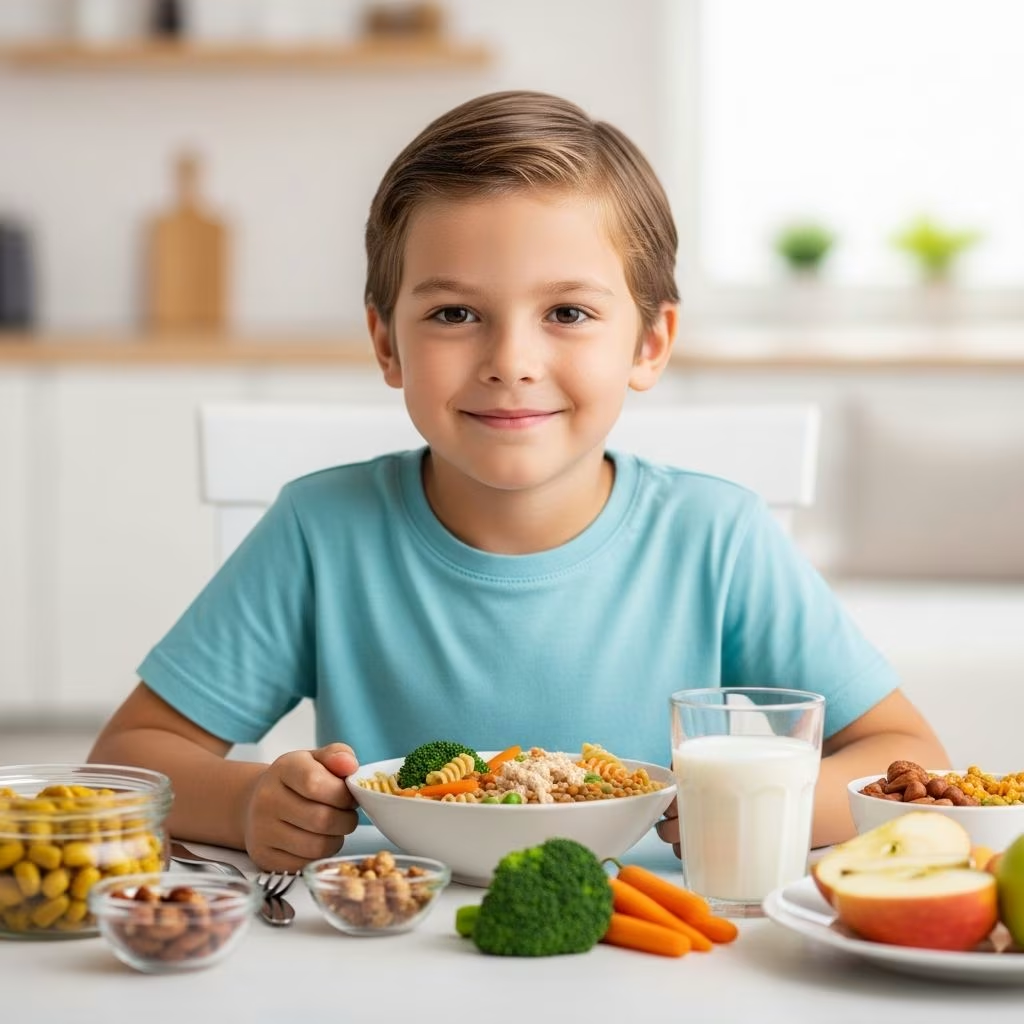
While much attention focuses on childhood obesity, underweight children and teens represent a significant concern in the U.S., affecting growth and development. Some kids naturally have a slim build maintained by balanced diets and activity, but low body weight can signal underlying health or emotional issues. Always consult a pediatrician first to rule out medical causes before implementing weight gain strategies.
The key to safe weight gain is prioritizing nutrient-rich, calorie-dense foods over empty calories from junk food. This approach builds strong bones, muscles, and overall health. Focus on proteins, healthy fats, complex carbs, fruits, and vegetables to fuel growth.
Nutrient-Rich Meals and Snacks
Transform everyday meals into calorie powerhouses by incorporating high-nutrient ingredients. Start with protein sources like eggs, peanut butter, nut butters, beans, hummus, full-fat milk, yogurt, and cheese. Pair these with whole grains (oats, quinoa, brown rice), fruits, and vegetables for balanced carbs.
- Prepare hot cereals with full-fat milk or soy milk instead of water to boost calories and protein.
- Incorporate healthy fats from nuts, seeds, and avocados: sprinkle on cereals, salads, pasta; slice into sandwiches or top eggs.
- Sauté vegetables, meats, chicken, or fish in olive or canola oil for added calories without sacrificing nutrition.
Enhance familiar foods creatively. For example, melt cheese on veggies, stir nut butter into oatmeal, or drizzle oil on pasta. These ‘top-offs’ increase calories seamlessly.
High-Calorie Snack Ideas
Snacks are crucial for underweight kids, providing extra calories between meals. Aim for nutritious, higher-calorie options that kids enjoy. Offer them at set times to avoid grazing, which can reduce appetite for main meals.
- Guacamole or avocado smoothies: Blend fresh avocados with onions, tomatoes, fruits, yogurt, or nut butters for creamy, calorie-packed dips or drinks.
- Smoothies and shakes: Combine full-fat yogurt, fruits, nut butters, seeds, and milk. Ideal for on-the-go nutrition.
- Granola or trail mix: Mix nuts, seeds, dried fruits, and dark chocolate chips; stir into yogurt for double calories.
- Hummus and bean dips: Serve with crackers, veggies, or pita for protein and fat.
- Cheese sticks, yogurt parfaits, or nut butter on crackers: Quick, portable, and dense in nutrients.
Pro tip: Limit low-nutrient drinks like diet soda; opt for milk-based beverages to maximize intake.
Meal Frequency and Structure
Underweight children benefit from frequent small meals rather than three large ones. Aim for 5-6 smaller meals/snacks daily to increase total calories without overwhelming small appetites.
- Structure: 3 meals + 2-3 snacks, spaced 1-2 hours apart. No grazing—set times build hunger for bigger portions.
- Keep mealtimes to 30 minutes, snacks to 15; consistency helps kids adapt.
- Drink water between meals; save calorie-rich drinks for snacks to avoid fullness during eating.
Balance high-calorie additions with family meals. For grilled chicken, add butter-melted sweet potato fries and broccoli for the child needing gain.
Calorie and Protein Boosters Table
Use this table of high-calorie foods to boost your child’s diet. Select based on preferences and allergies.
| Food | Calories/Protein per Serving | Suggested Uses |
|---|---|---|
| Nuts (1 oz) | ~160-200 cal, 4-6g protein | Sprinkle on yogurt, cereal, salads, trail mix; grind for under 3s |
| Nut/Seed Butters (1 tbsp) | 100 cal, 3-4g protein | Spread on toast/crackers, dip fruits/veggies, stir in cereals |
| Whole Milk Yogurt (1 cup) | 140+ cal, 6g protein | Snack, fruit dip, smoothie base |
| Avocado (1/2 medium) | 120 cal, 2g protein | Sandwiches, salads, guac, smoothies |
| Olive/Canola Oil (1 tbsp) | 120 cal | Sauté, drizzle on pasta/veggies, soups |
| Cream Cheese (1 tbsp) | 50 cal, 1g protein | Bagels, dips, sauces |
| Canned Coconut Milk (1 tbsp) | 25 cal | Smoothies, sauces, soups (full-fat) |
These boosters add ‘bang for your buck’ without large volumes.
Creating Positive Mealtimes
Make eating enjoyable to encourage intake. Rushed or pressured meals backfire.
- Involve kids: Let them plan, shop, and prepare meals to spark interest.
- Family style: Pleasant, unhurried settings promote better eating.
- Exercise: Strength training builds muscle and appetite; pair with nutrition.
- Avoid constant snacking; structure fosters hunger.
Supplements and When to Use Them
Food-first is best, but supplements like PediaSure, Boost Kid Essentials, or allergy-friendly options (e.g., soy/pea protein drinks) can help if intake lags. Consult a dietitian; they’re for medical needs, not routine use.
Frequently Asked Questions (FAQs)
Q: How do I know if my child is underweight?
A: Track growth charts with your pediatrician. Steady growth and energy are positive; sudden drops warrant checks.
Q: Are high-fat foods okay for weight gain?
A: Yes, choose healthy fats like nuts, avocados, oils—not junk. They provide nutrients for growth.
Q: What if my child refuses high-calorie foods?
A: Hide boosts in favorites (e.g., oil in pasta), involve them in prep, and be patient. Consistency pays off.
Q: How many meals/snacks per day?
A: 3 meals + 2-3 snacks. Frequent small ones suit small appetites.
Q: Can exercise help underweight kids?
A: Strength exercises build muscle mass and stimulate hunger, aiding healthy gain.
Monitoring Progress
Track weight monthly with your doctor. Patience is key—consistent nutrient-dense eating leads to balanced height/weight. If no improvement, explore medical/emotional factors.
By focusing on enjoyable, calorie-rich nutrition, parents can support thriving kids. Combine with love and routine for lasting results.
References
- Safe Weight Gain Tips for Underweight Kids — Academy of Nutrition and Dietetics. 2023. https://www.eatright.org/health/wellness/weight-and-body-positivity/safe-weight-gain-tips-for-underweight-kids
- High-Calorie Foods for Underweight Children — Hello Pediatrics. 2024. https://hellopediatrics.com/high-calorie-foods-for-underweight-children/
- How To Increase Calories In Your Underweight Child’s Diet — Cincinnati Children’s Hospital. 2023-06-01. https://blog.cincinnatichildrens.org/healthy-living/how-to-increase-calories-in-your-underweight-childs-diet-draft/
- What’s a good way to gain weight if you’re underweight? — Mayo Clinic. 2024. https://www.mayoclinic.org/healthy-lifestyle/nutrition-and-healthy-eating/expert-answers/underweight/faq-20058429
- Weight Gain Tips — Minnesota Department of Health. 2023. https://www.health.state.mn.us/docs/people/wic/nutrition/english/genweightgain.pdf
- Is Your Child Underweight? Ideas to Make Food Count — Nationwide Children’s Hospital. 2023-06. https://www.nationwidechildrens.org/family-resources-education/700childrens/2023/06/making-meals-and-snacks-count