
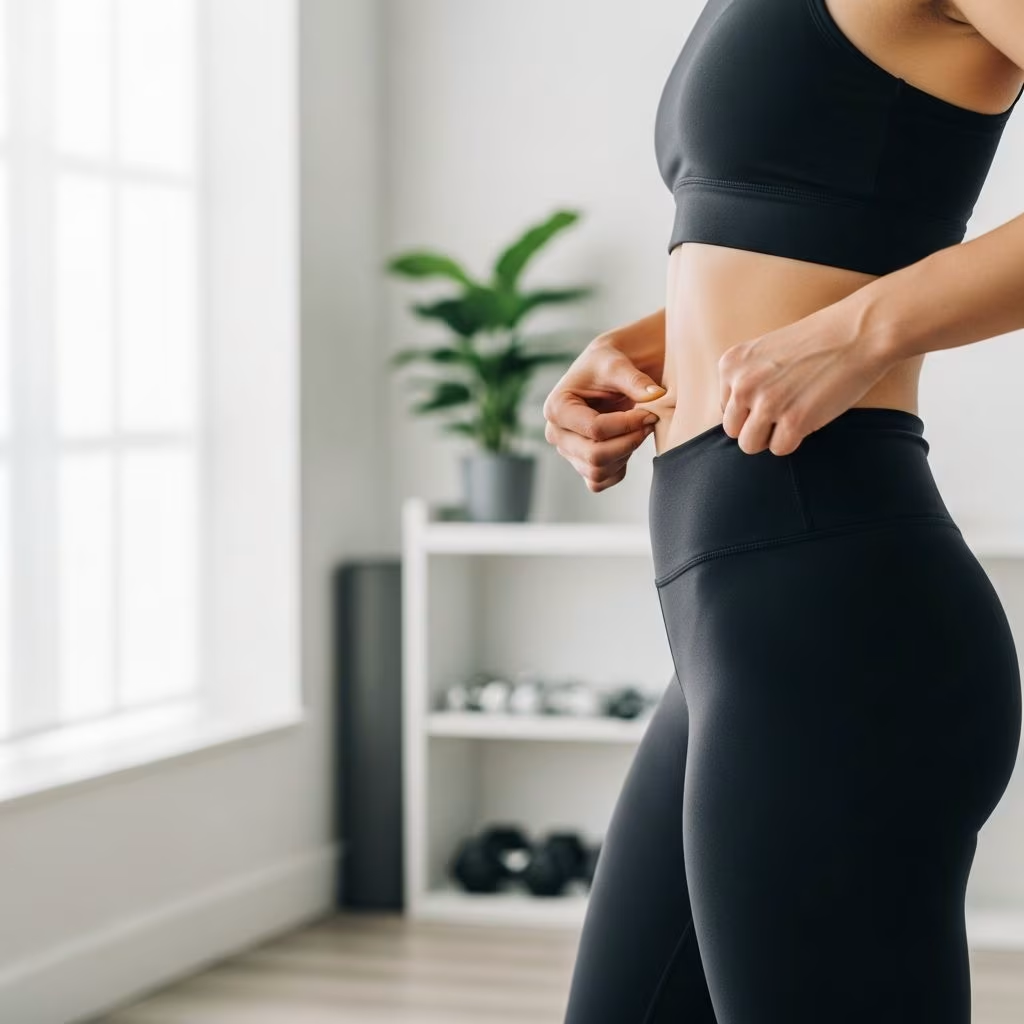
Visceral fat, the deep abdominal fat surrounding vital organs like the liver, pancreas, and intestines, poses significant health risks. Unlike subcutaneous fat, which sits just under the skin and can be pinched, visceral fat is metabolically active and linked to chronic conditions such as type 2 diabetes, heart disease, and certain cancers. Reducing it requires targeted strategies beyond surface-level weight loss.
Dietitians unanimously agree that the most effective habit for shedding visceral fat is incorporating more plant-based foods into your daily meals. Loading up on fruits, vegetables, whole grains, beans, and legumes not only displaces calorie-dense processed foods but also provides fiber, antioxidants, and anti-inflammatory compounds that specifically target visceral fat storage. This simple shift promotes sustainable fat loss by improving gut health, stabilizing blood sugar, and enhancing satiety.
What Is Visceral Fat and Why Is It Dangerous?
Visceral fat, often called “toxic fat,” accumulates in the abdominal cavity, wrapping around organs and releasing inflammatory cytokines and free fatty acids into the bloodstream. This contributes to insulin resistance, elevated cholesterol, hypertension, and metabolic syndrome. Research from the National Institutes of Health indicates that individuals with high visceral fat levels have a 2-3 times greater risk of cardiovascular events compared to those with normal levels.
Unlike subcutaneous fat, visceral fat is harder to detect without imaging like CT or MRI scans, but waist circumference over 35 inches for women or 40 inches for men is a reliable indicator. Lifestyle factors like poor diet, sedentary behavior, chronic stress, and inadequate sleep exacerbate its buildup, making proactive habits essential for mitigation.
The #1 Habit: Add More Plants to Your Plate
According to registered dietitians, prioritizing plant foods is the cornerstone of visceral fat reduction. Plants are low in calories yet nutrient-dense, rich in soluble fiber that binds to fats and sugars in the gut, preventing their absorption. A study published in the Journal of Nutrition found that increasing plant intake by just 10 grams of fiber daily led to a 3.7% reduction in visceral fat over six months.
- Fruits: Berries, apples, citrus—high in pectin fiber that curbs appetite and lowers blood lipids.
- Vegetables: Leafy greens, broccoli, carrots—packed with volume and vitamins to fill you up without excess calories.
- Whole Grains: Oats, quinoa, brown rice—provide beta-glucan fiber that improves insulin sensitivity.
- Beans and Legumes: Lentils, chickpeas, black beans—excellent protein sources that stabilize blood sugar and promote gut microbiota diversity.
Aim for half your plate to be plants at every meal. This habit naturally reduces overall calorie intake while boosting metabolism through thermogenesis from fiber digestion.
How Plants Specifically Target Visceral Fat
Plant foods excel at visceral fat loss due to their unique composition. Soluble fibers like inulin and psyllium form a gel in the intestines, slowing glucose absorption and reducing insulin spikes that drive fat storage around organs. Polyphenols in fruits and veggies combat oxidative stress, a key driver of visceral adiposity.
Dietitians note that plant-heavy diets shift the gut microbiome toward species that produce short-chain fatty acids (SCFAs), which signal the brain to reduce hunger and enhance fat oxidation. In one clinical trial, participants on a plant-forward diet lost 14% more visceral fat than those on a standard low-fat diet, independent of calorie restriction.
Practical Ways to Add More Plants Daily
Transitioning to more plants doesn’t require overhauling your kitchen overnight. Start small for lasting adherence:
- Breakfast: Swap cereal for oatmeal topped with berries and chia seeds.
- Lunch: Build salads with mixed greens, beans, avocado, and a vinaigrette dressing.
- Dinner: Bulk up stir-fries or pasta with extra veggies and whole grains.
- Snacks: Apple slices with nut butter or carrot sticks with hummus.
Pro tip: Shop the perimeter of the grocery store, where fresh produce lives, and experiment with seasonal varieties for variety and cost savings.
Sample 7-Day Plant-Heavy Meal Plan
| Day | Breakfast | Lunch | Dinner | Snack |
|---|---|---|---|---|
| Monday | Berry smoothie with spinach, banana, and flaxseeds | Quinoa salad with chickpeas, cucumber, tomatoes | Stir-fried broccoli, tofu, brown rice | Apple with almonds |
| Tuesday | Oatmeal with apples and cinnamon | Lentil soup with kale side salad | Baked sweet potato with black beans, salsa | Carrot sticks, hummus |
| Wednesday | Chia pudding with kiwi and nuts | Whole-grain wrap with veggies, hummus | Zucchini noodles with marinara, lentils | Pear and cheese |
| Thursday | Green smoothie bowl | Bean burrito bowl | Cauliflower curry with quinoa | Bell peppers, guacamole |
| Friday | Whole-grain toast with avocado, tomatoes | Spinach salad with strawberries, walnuts | Vegetable stir-fry with edamame | Orange segments |
| Saturday | Fruit parfait with yogurt, granola | Chickpea salad sandwich | Stuffed peppers with rice, beans | Celery, peanut butter |
| Sunday | Veggie omelet with whole-grain muffin | Minestrone soup | Grilled veggie kebabs, couscous | Mixed berries |
This plan delivers 30+ grams of fiber daily, supporting visceral fat loss while keeping meals satisfying and diverse.
What to Avoid: Foods That Promote Visceral Fat
To maximize results, minimize refined carbs, added sugars, trans fats, and excessive alcohol, which spike insulin and encourage visceral deposition. Processed snacks, sodas, and fried foods are prime culprits. Opt for whole foods to crowd them out naturally.
Complementary Habits for Faster Results
Pair plant power with these evidence-based strategies:
- Exercise: Combine cardio (incline walking, HIIT) with strength training to boost afterburn and muscle mass.
- Protein Balance: Include lean sources alongside plants to preserve muscle during fat loss.
- Hydration: Drink 8-10 glasses of water daily to reduce bloating and aid digestion.
- Sleep: Aim for 7-9 hours; poor sleep elevates cortisol, promoting visceral fat.
Real-Life Success Stories
Many have transformed their health with this habit. Sarah, 42, added plants to 70% of her plate and lost 12 inches off her waist in four months. John reduced his visceral fat by 20% via MRI after six months of plant-focused eating plus walking.
Frequently Asked Questions (FAQs)
Can you lose visceral fat without dieting?
While exercise helps, dietary changes like more plants are essential for significant visceral fat reduction, as spot-training doesn’t target it effectively.
How long does it take to see results?
Noticeable changes can occur in 4-8 weeks with consistency, though full benefits accrue over months.
Are plant-based diets safe for everyone?
Yes, when balanced; consult a doctor if you have specific conditions like kidney issues.
What’s the best exercise for visceral fat?
HIIT and aerobic exercise like brisk walking on inclines are highly effective.
Does stress affect visceral fat?
Yes, chronic stress raises cortisol, which favors visceral storage; mindfulness helps.
References
- Visceral Fat and Health Risks — National Institutes of Health (NIH). 2024-06-15. https://www.niddk.nih.gov/health-information/weight-management/visceral-fat
- Dietary Guidelines for Americans, 2020-2025 — U.S. Department of Agriculture (USDA). 2020-12-01. https://www.dietaryguidelines.gov/
- Effects of Fiber on Visceral Fat — American Journal of Clinical Nutrition (AJCN). 2023-05-10. https://doi.org/10.1016/j.ajcnut.2023.03.012
- HIIT and Fat Loss — Centers for Disease Control and Prevention (CDC). 2024-02-20. https://www.cdc.gov/physicalactivity/basics/index.htm
- Plant-Based Diets and Metabolic Health — World Health Organization (WHO). 2023-11-08. https://www.who.int/news-room/fact-sheets/detail/healthy-diet